
Volunteering at a Wildlife Rescue Center in Thailand
Four weeks of banana balls, gentle old elephants and macaques with very good aim
In December 2014, I went to Thailand to volunteer at a wildlife rescue center, Wildlife Friends Foundation Thailand. I stayed four weeks.
This was paid volunteering. You pay for your lodging, and you work as a volunteer. Your time and your money both go to the rescue work.
I spent a couple of days in Bangkok before and after. Getting to the center was easy. The compound is about an hour and a half from Bangkok, and a private taxi took me directly there.
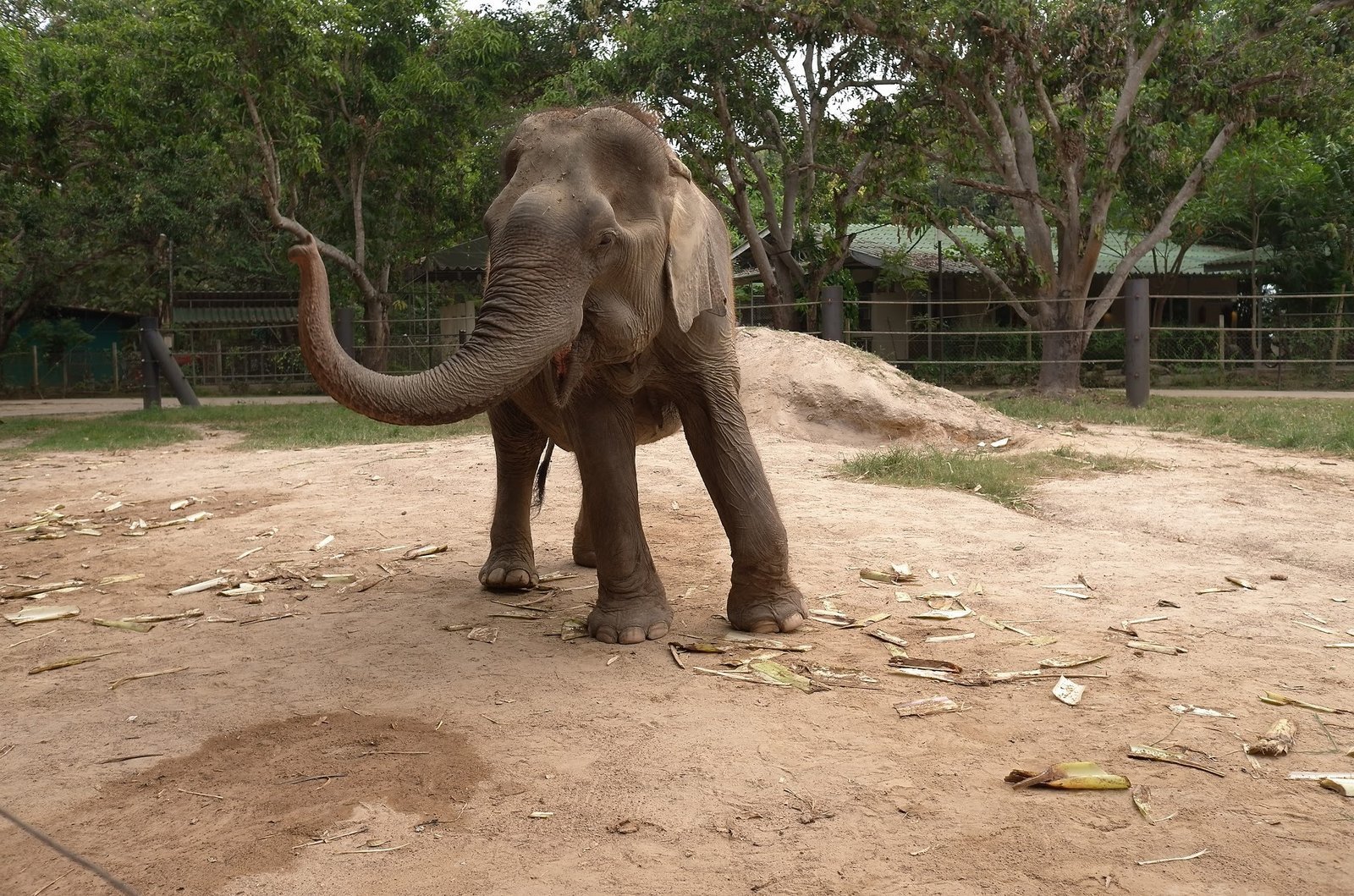
Two weeks with the retired elephants
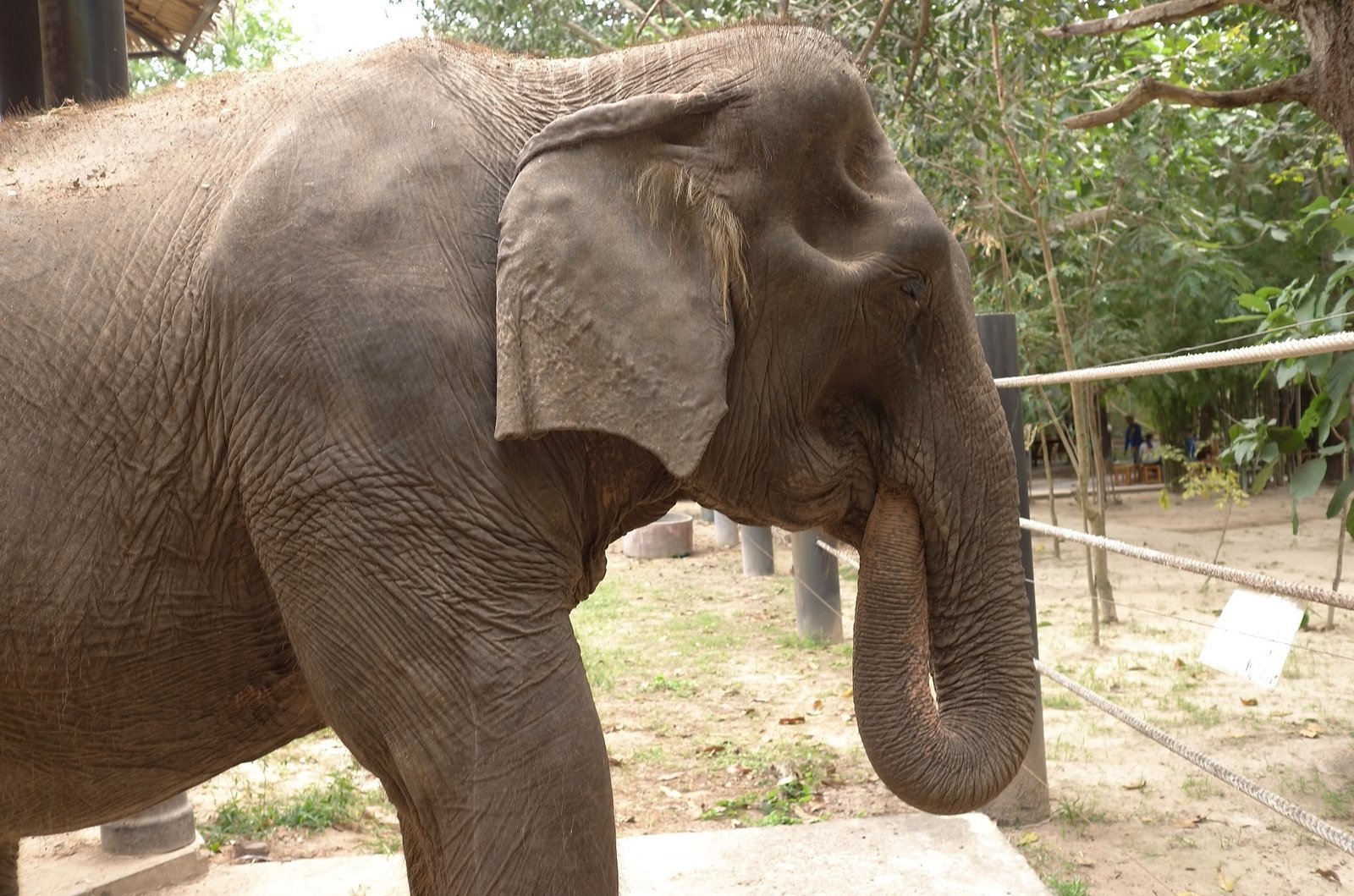
The first two weeks, I worked with the elephants. They were all so-called retired elephants — old females.
I hand-fed them, cleaned their compounds, washed their bodies, scrubbed them and went with them on short walks. They were very gentle and very calm. It was very nice to have this interaction with these older elephants.
A couple of times a day, we made their food by hand. I think we called them banana balls — bananas mixed with other things, then hand-fed to the elephants. A special feeling.
The rules have changed since 2014. Today, the center says it is strictly hands-off: volunteers have no physical contact with the animals.
Macaques, monkeys and bears
The next two weeks, I worked in the other compounds. I cleaned the enclosures and prepared food for the animals.
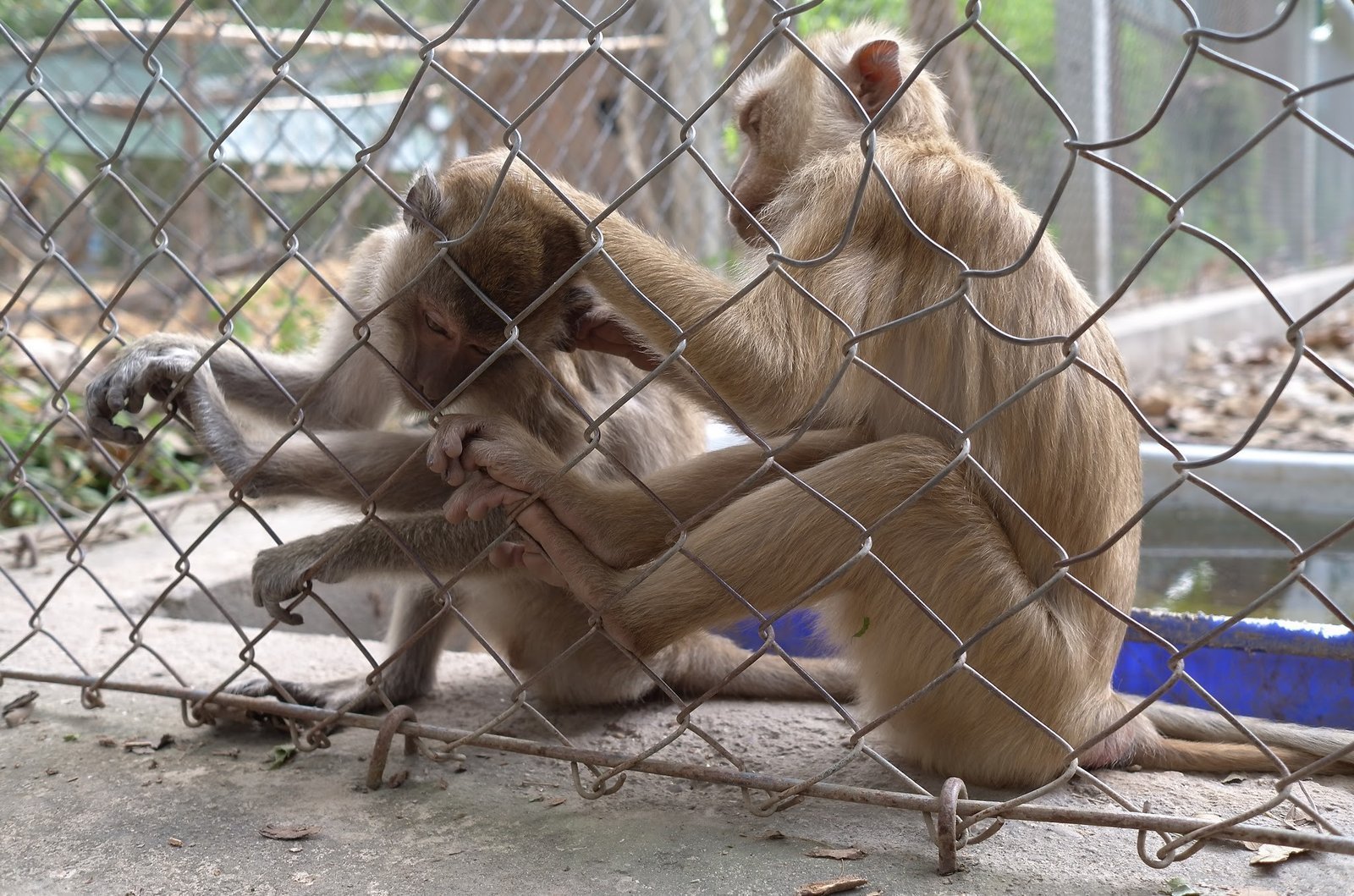
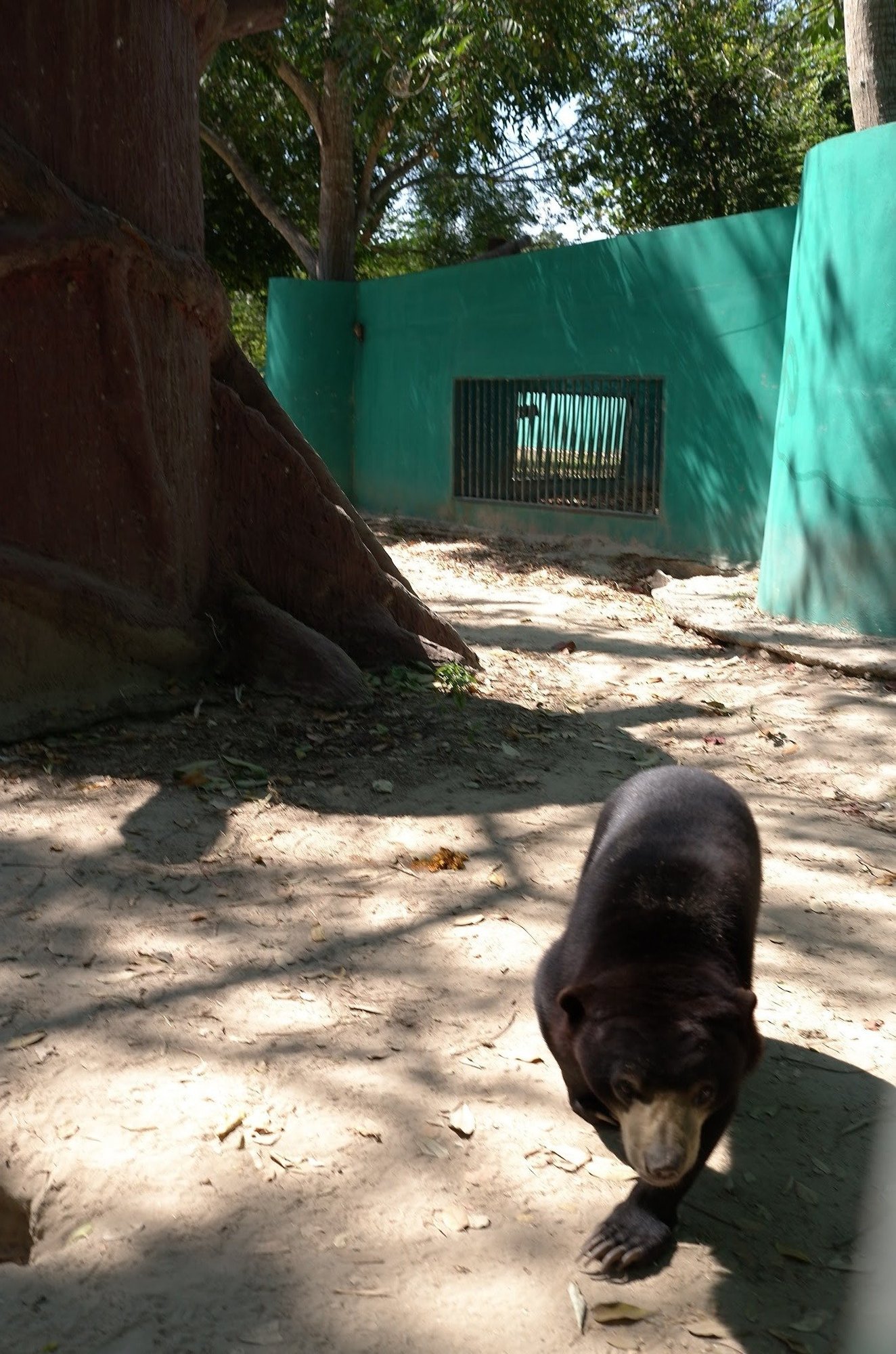
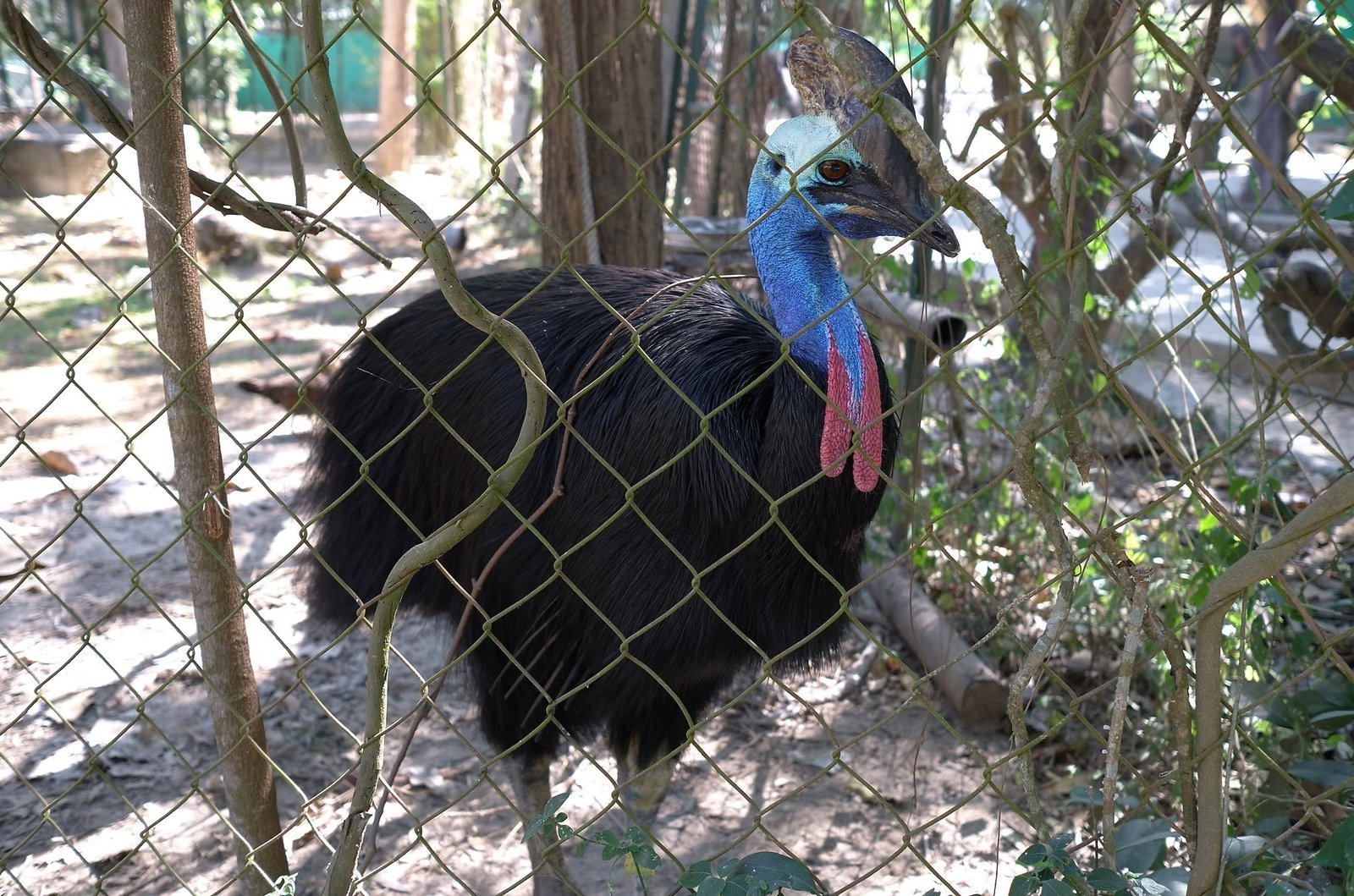
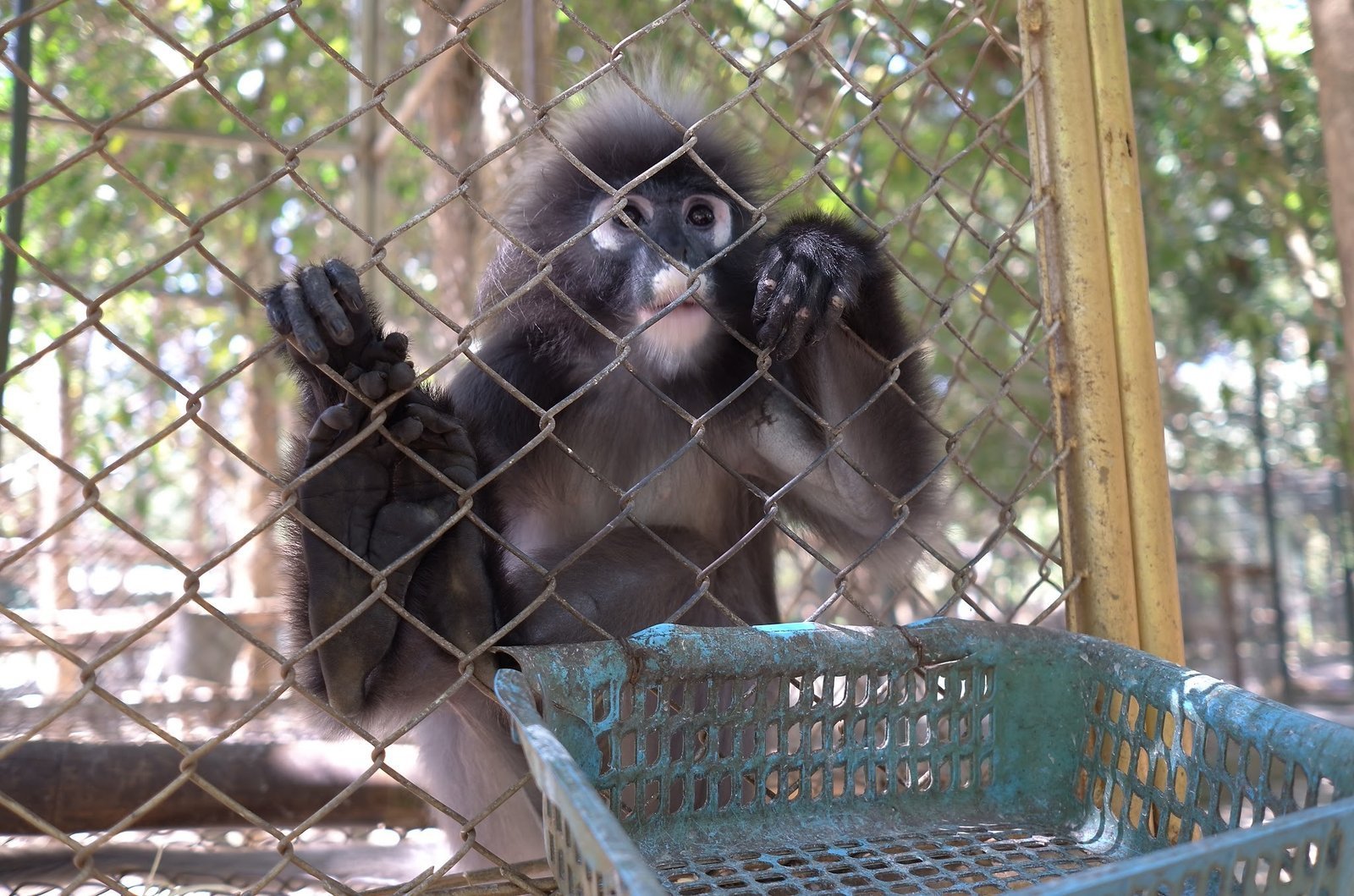
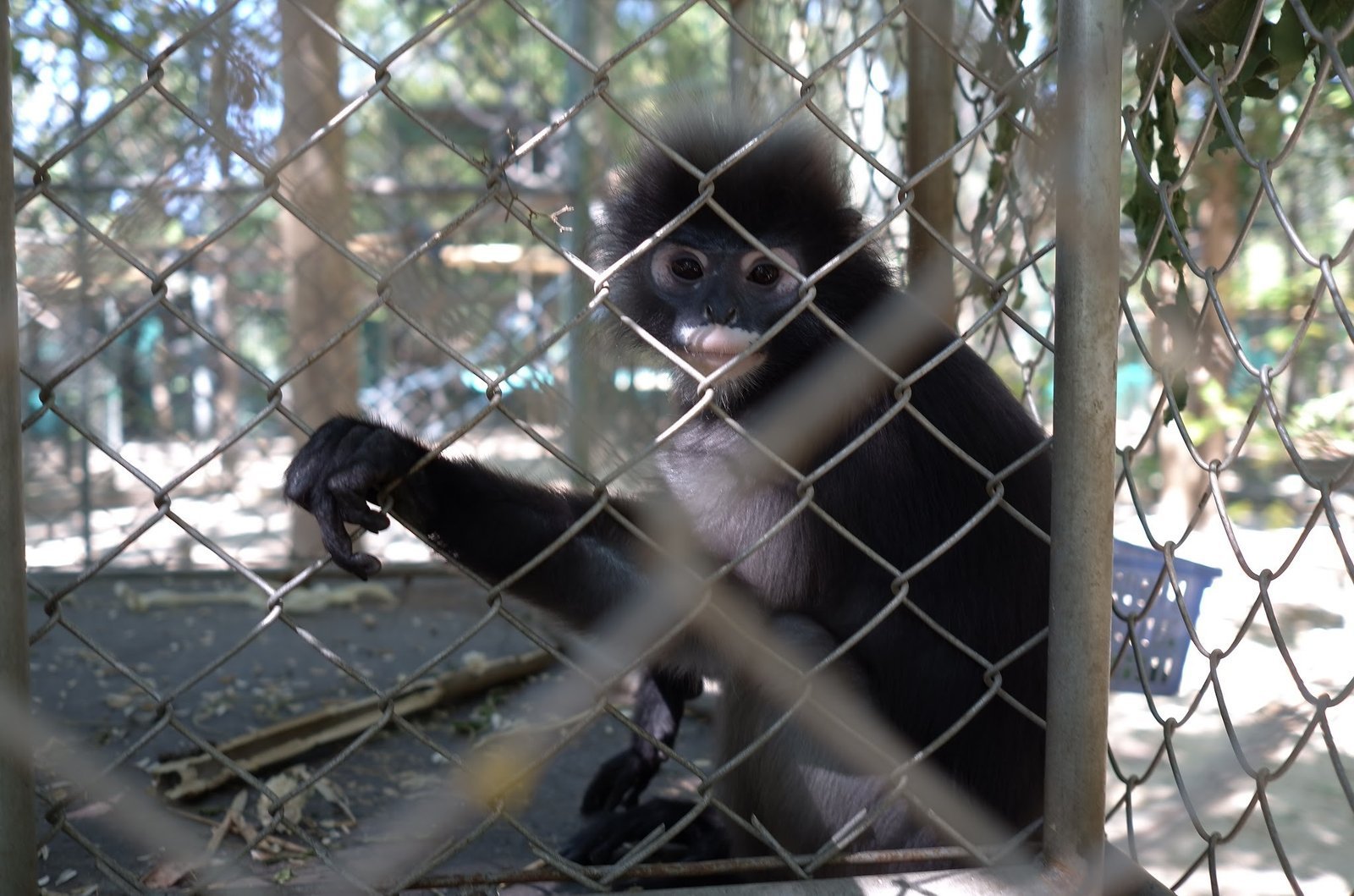
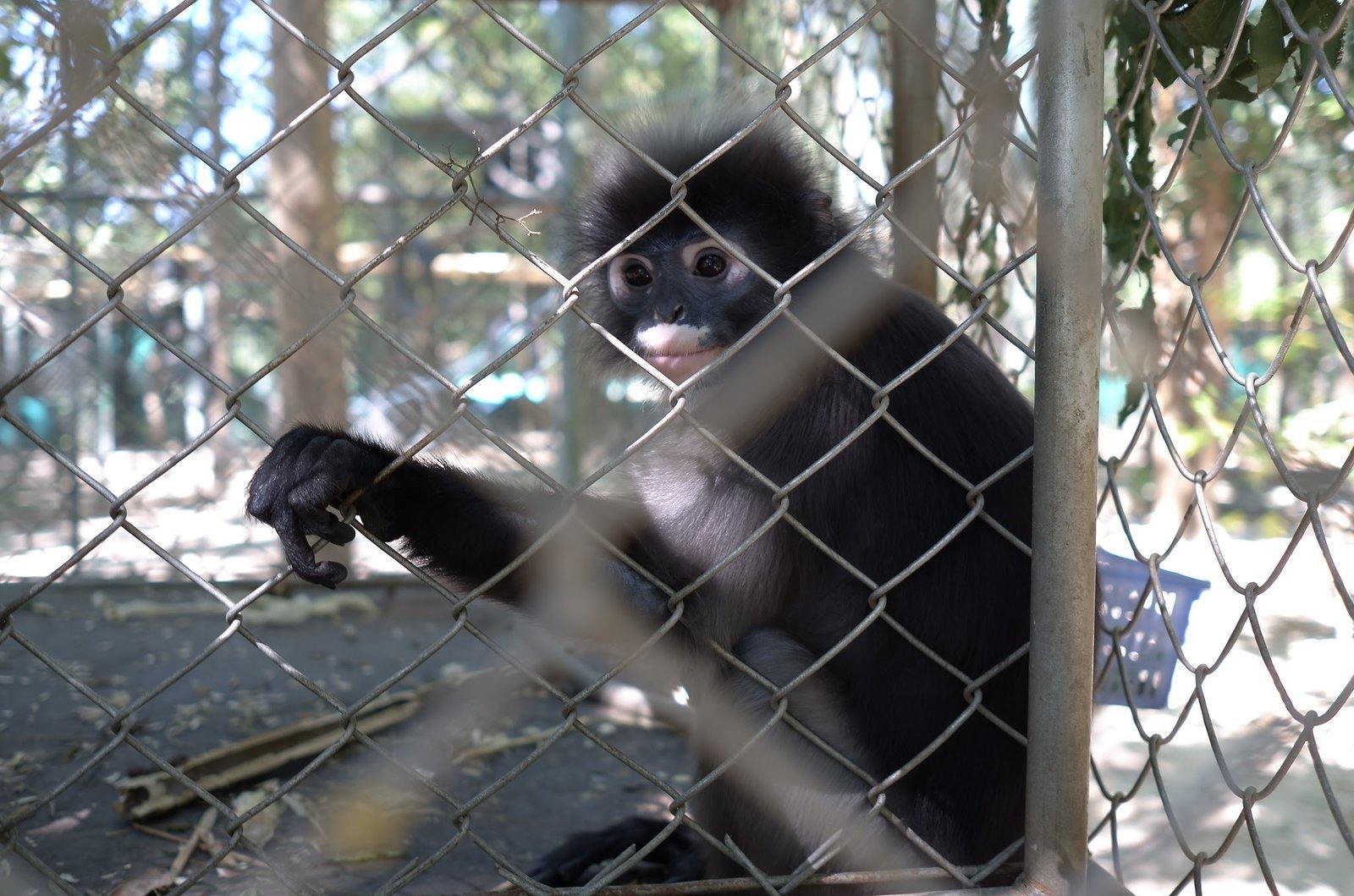
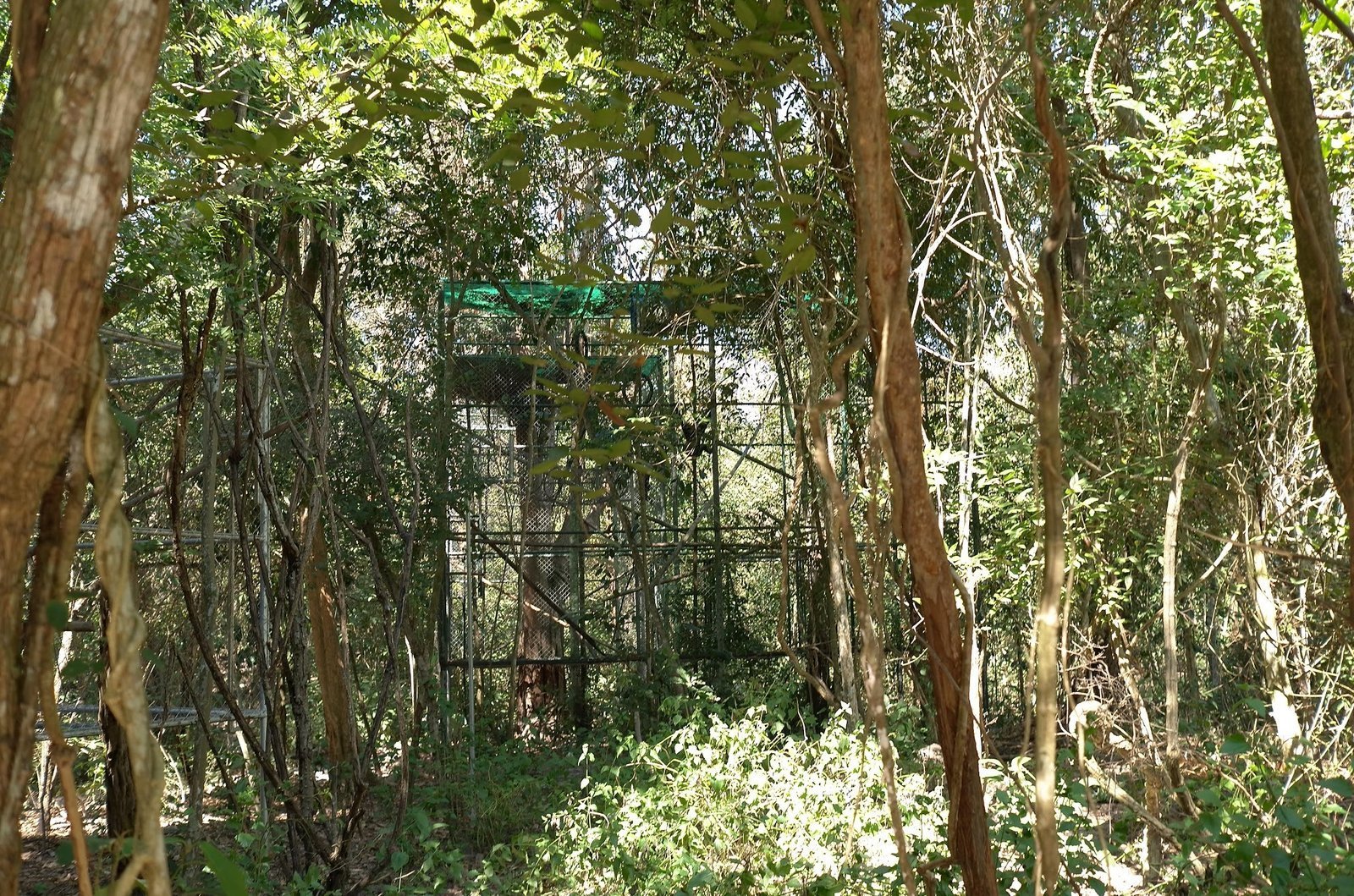
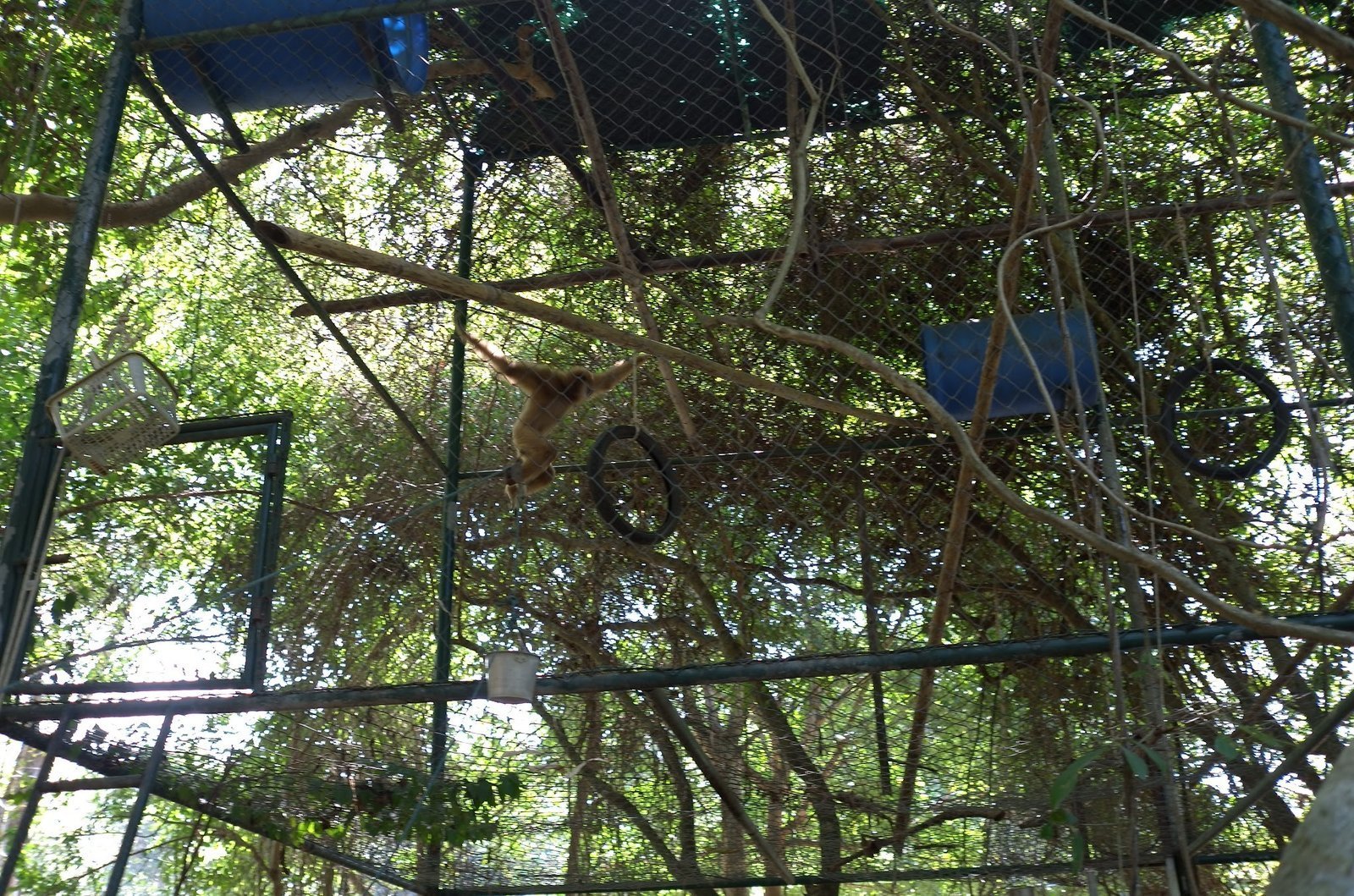
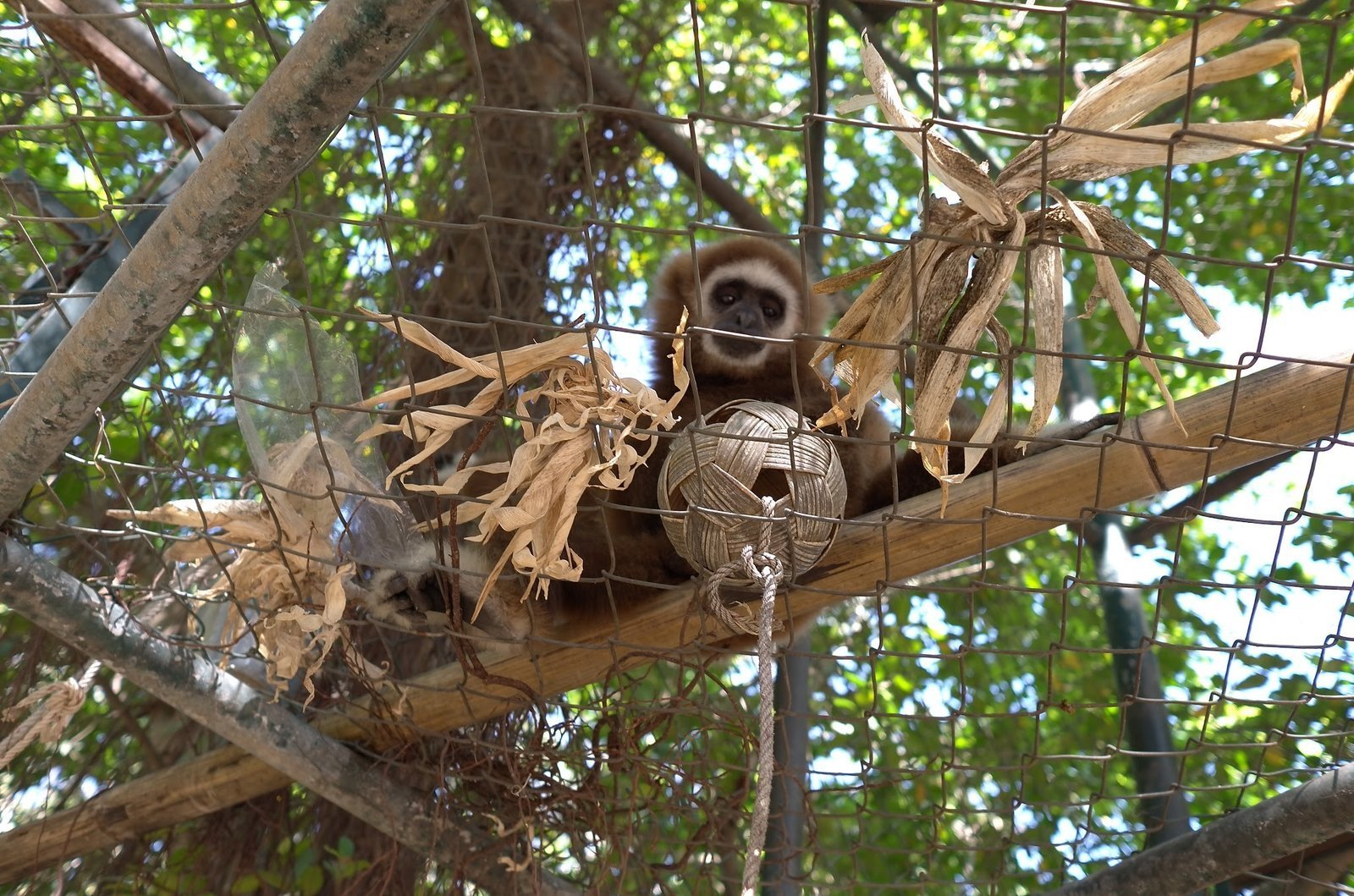
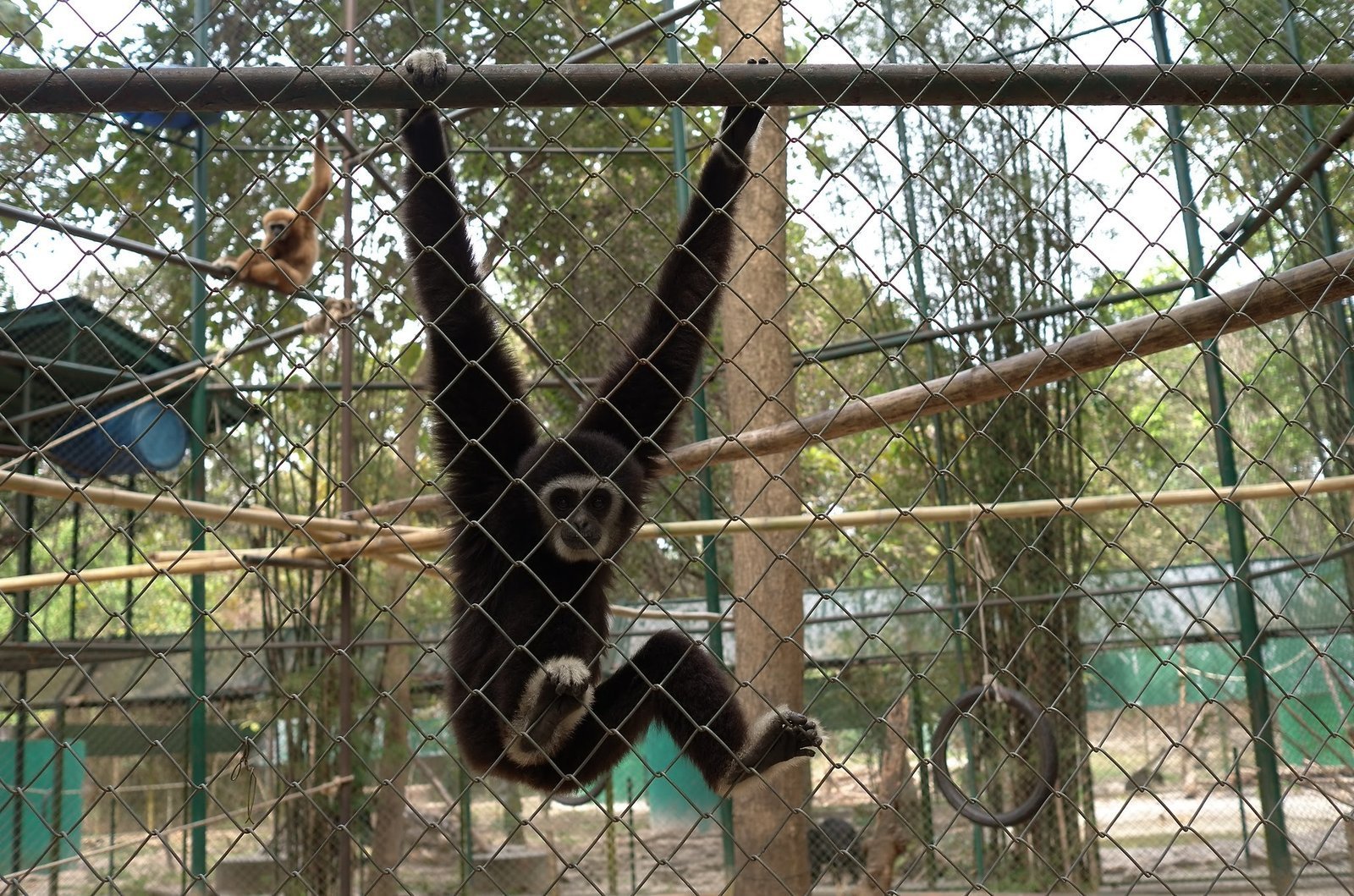
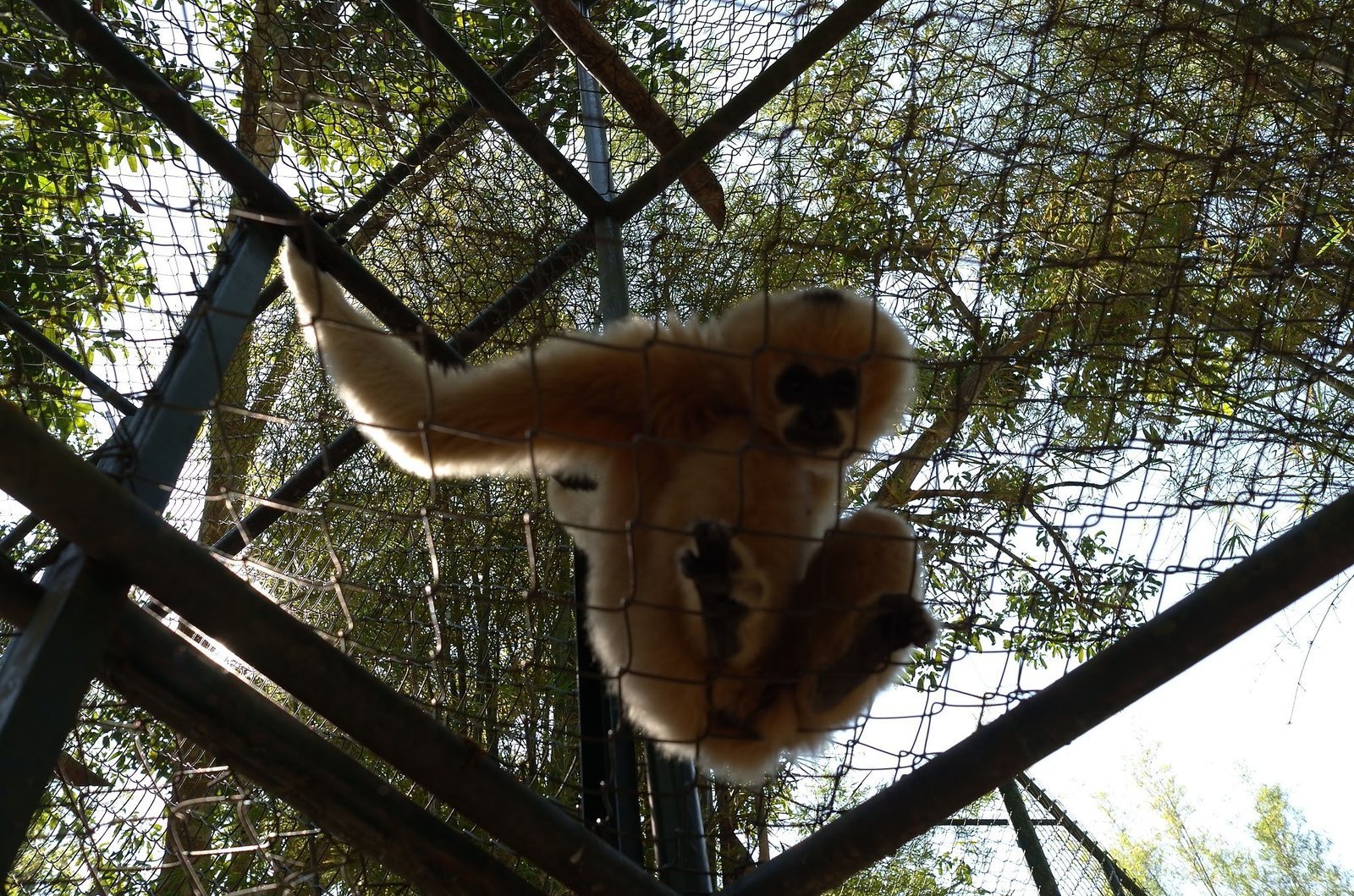
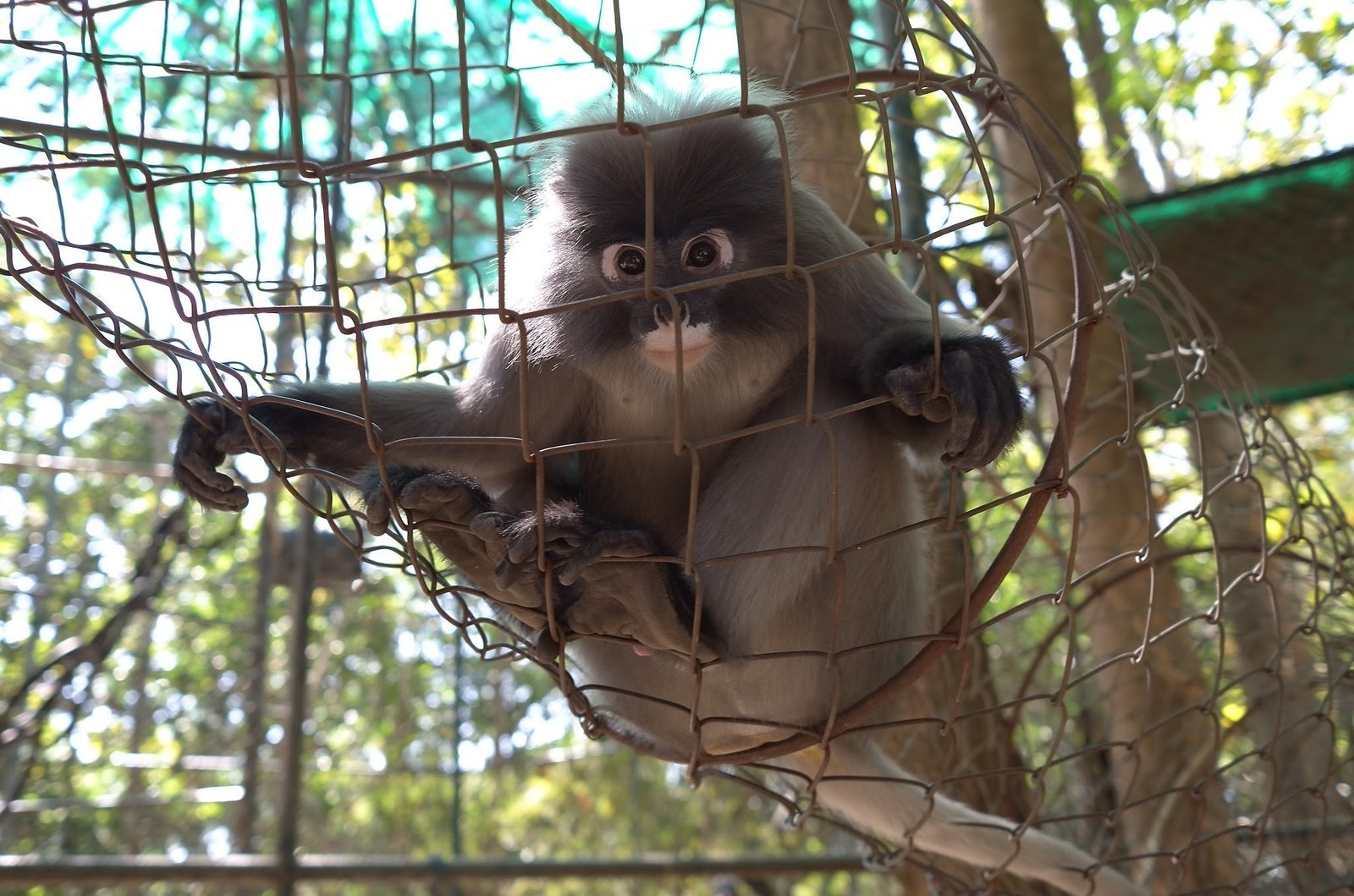
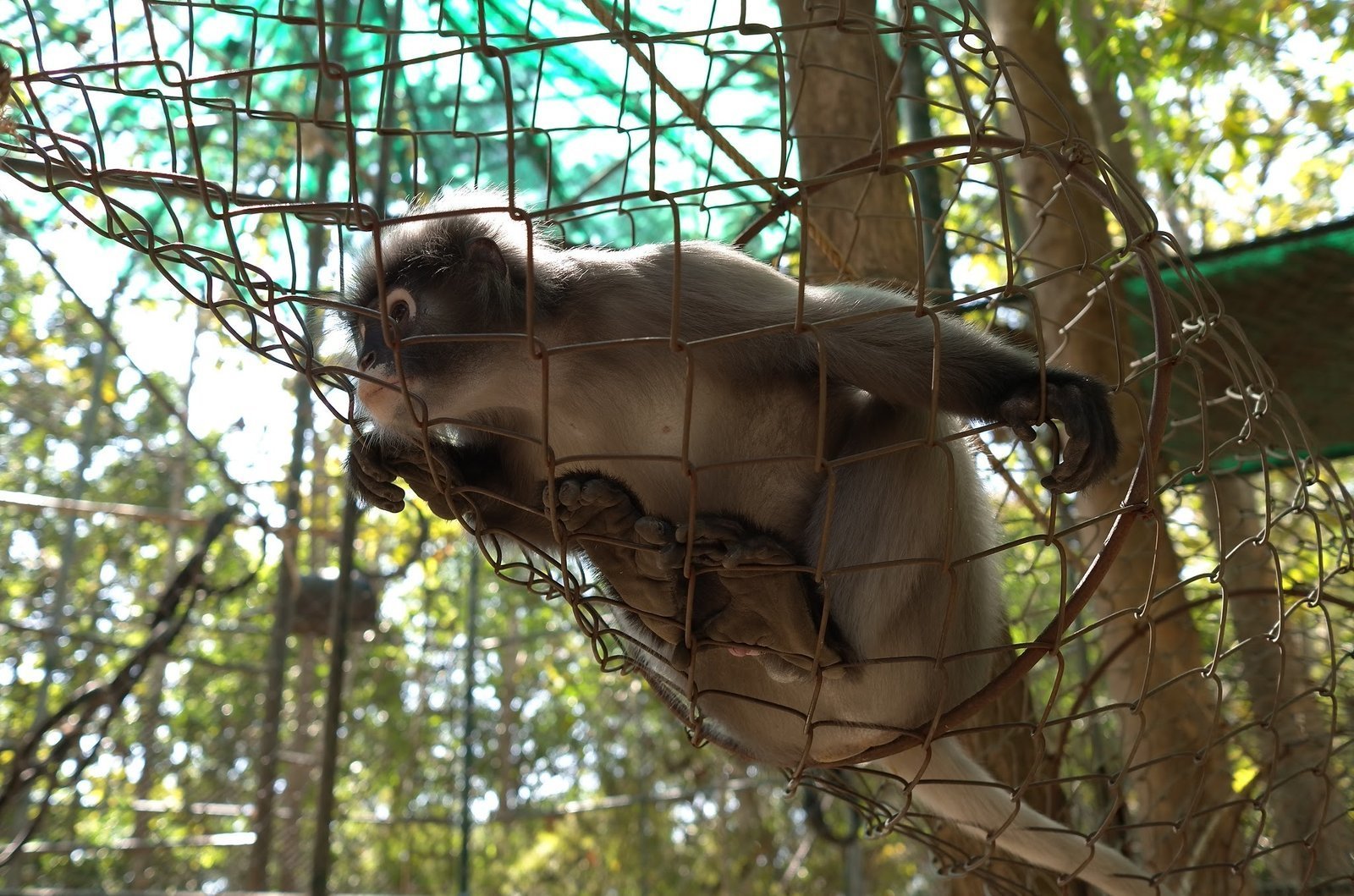
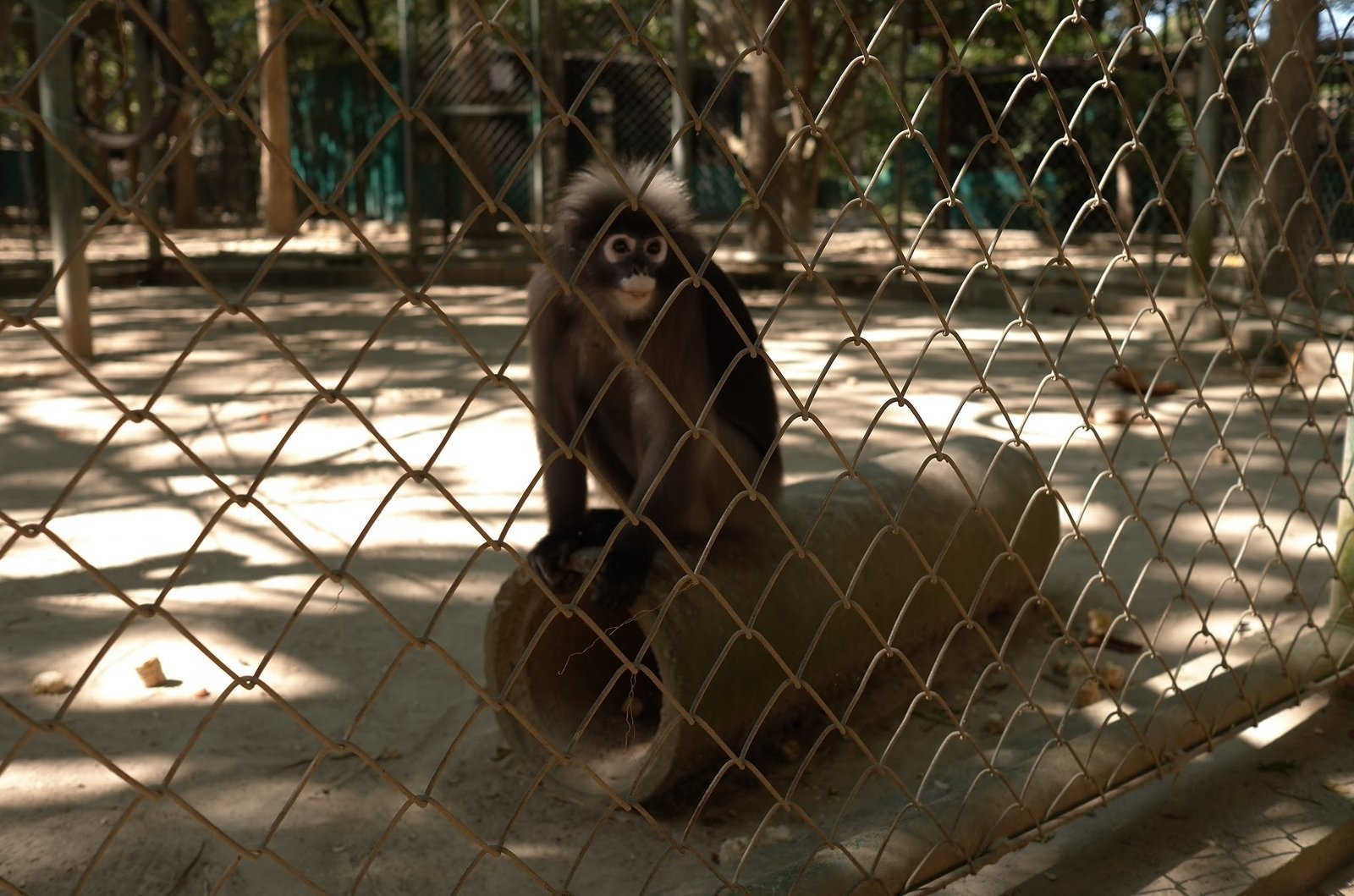
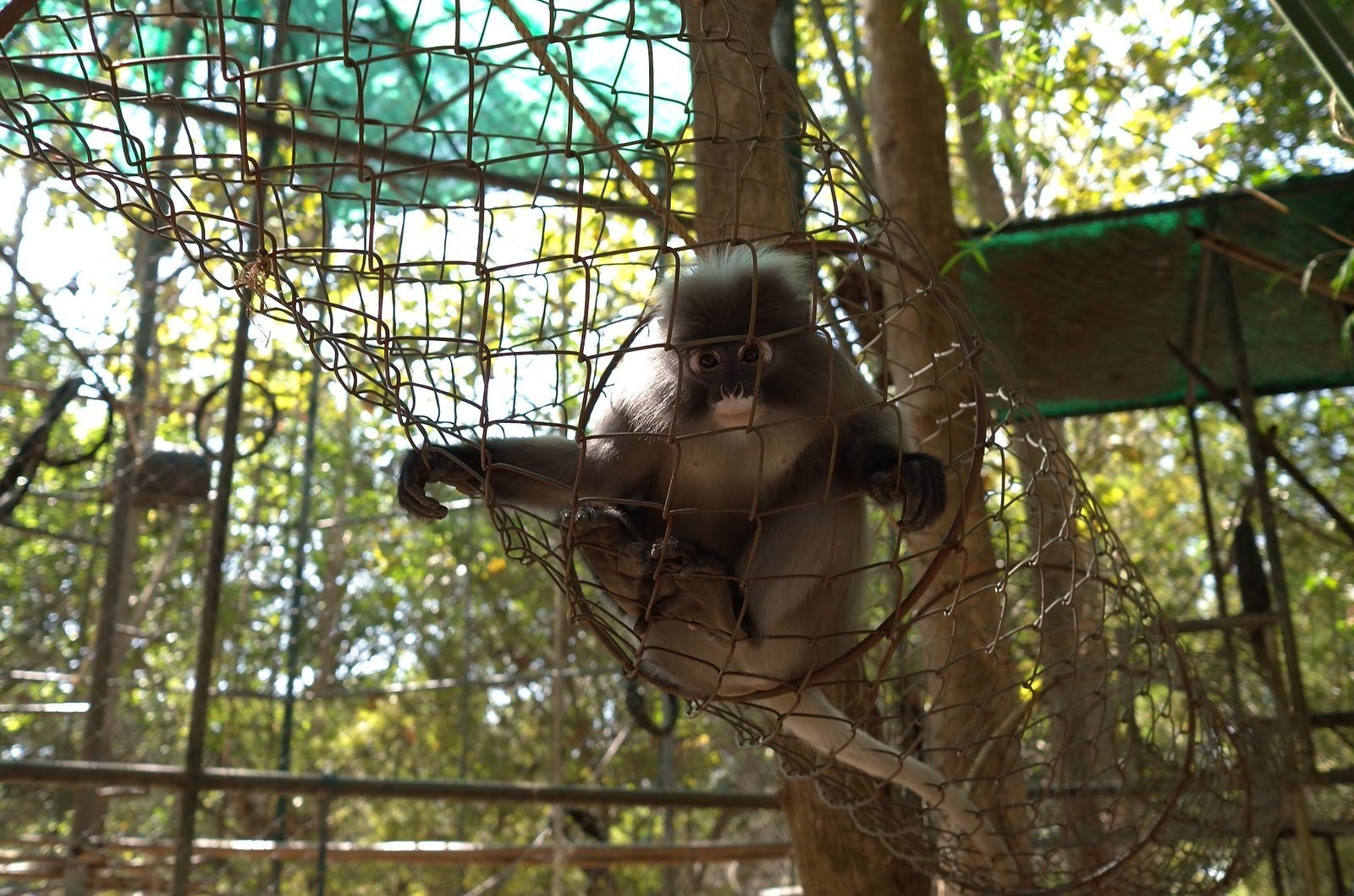
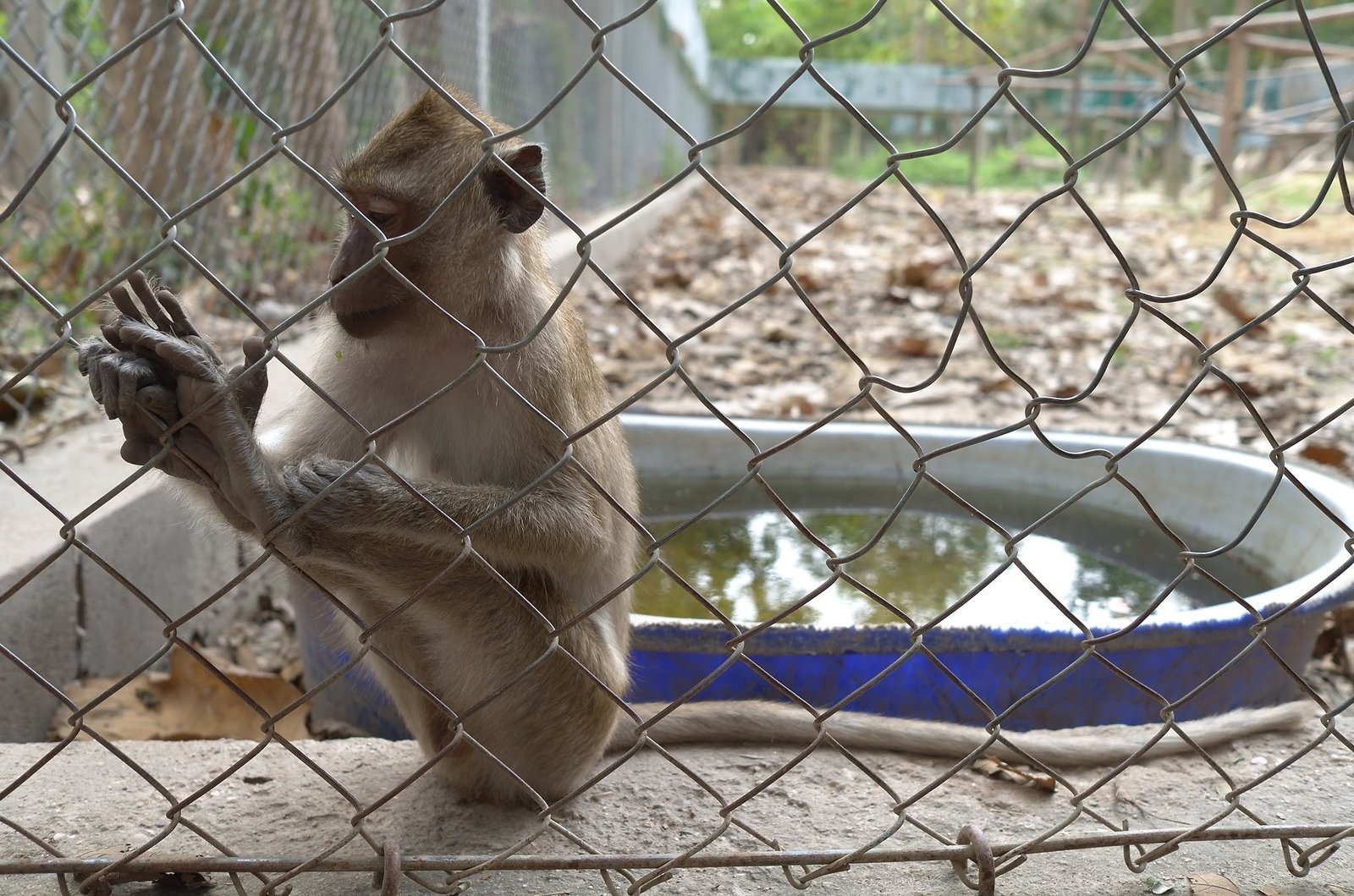
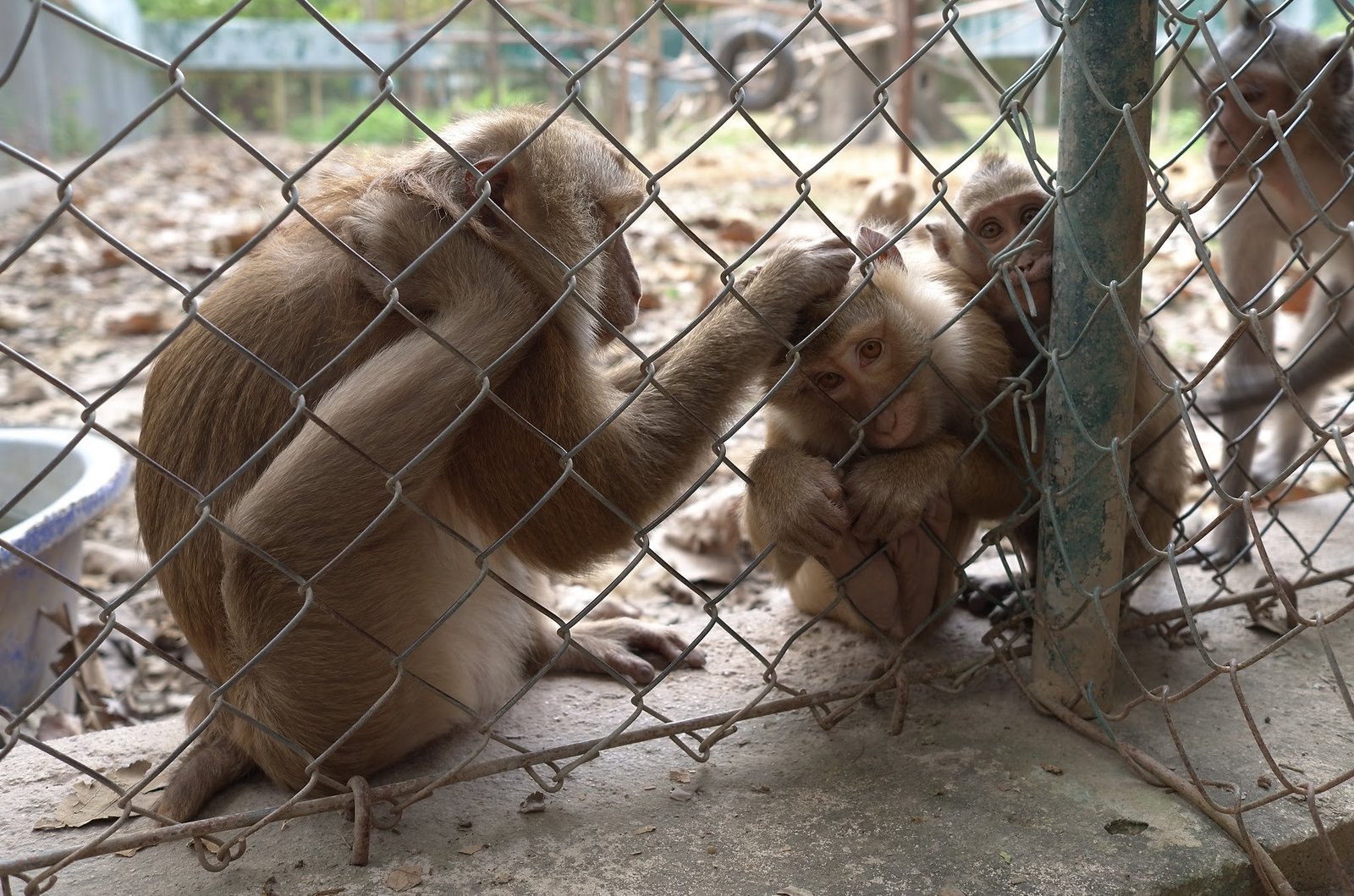
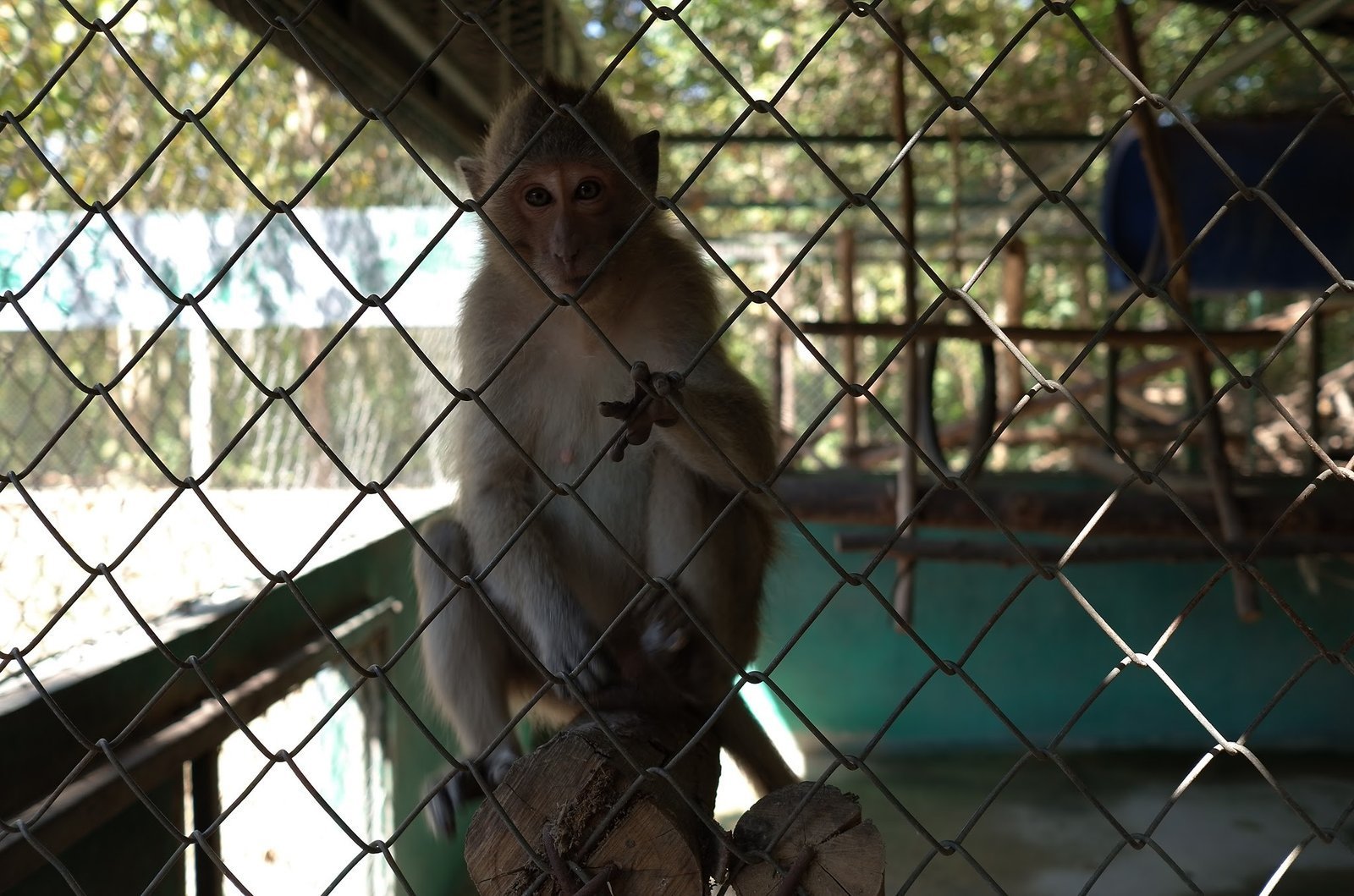
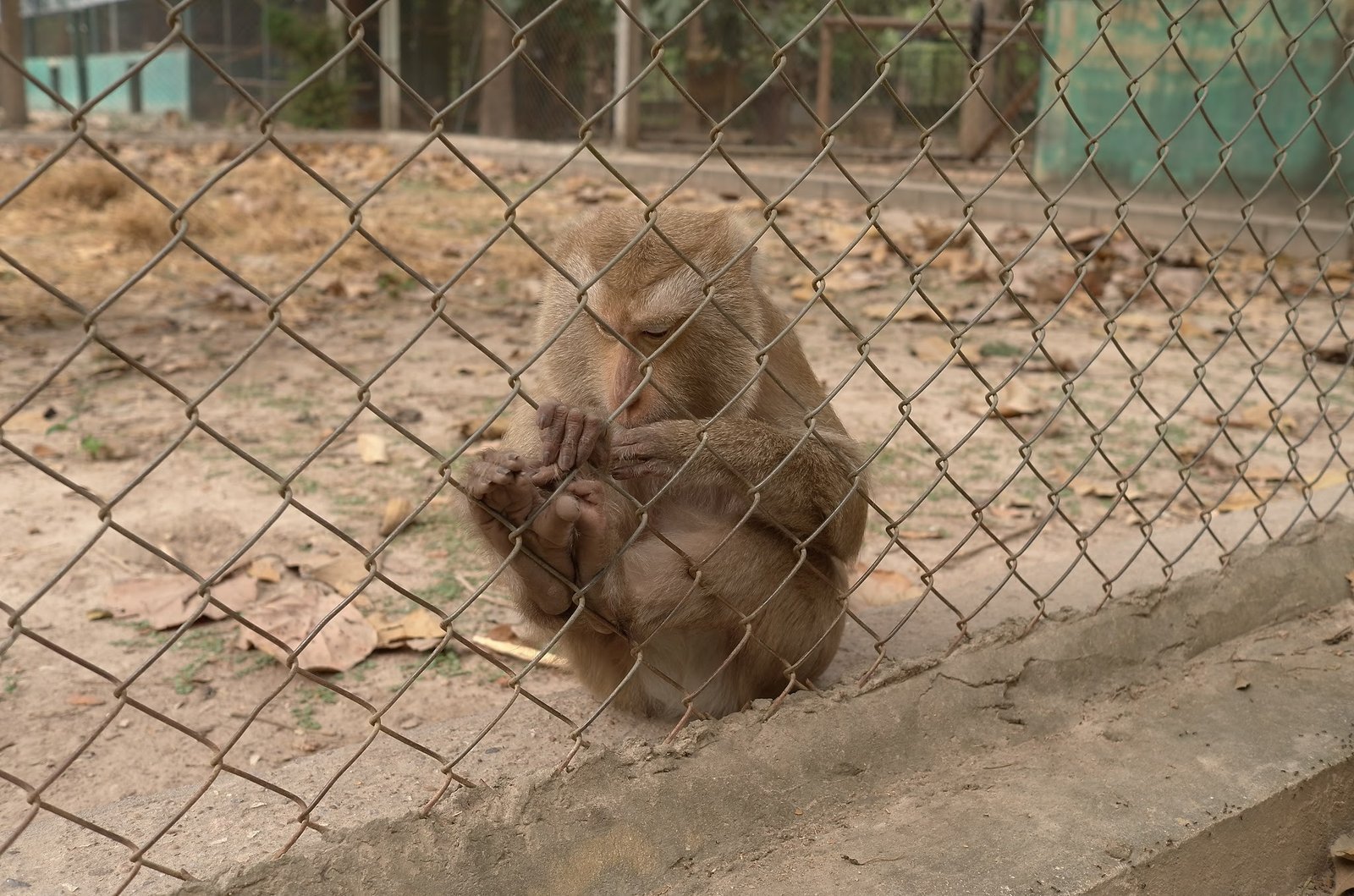
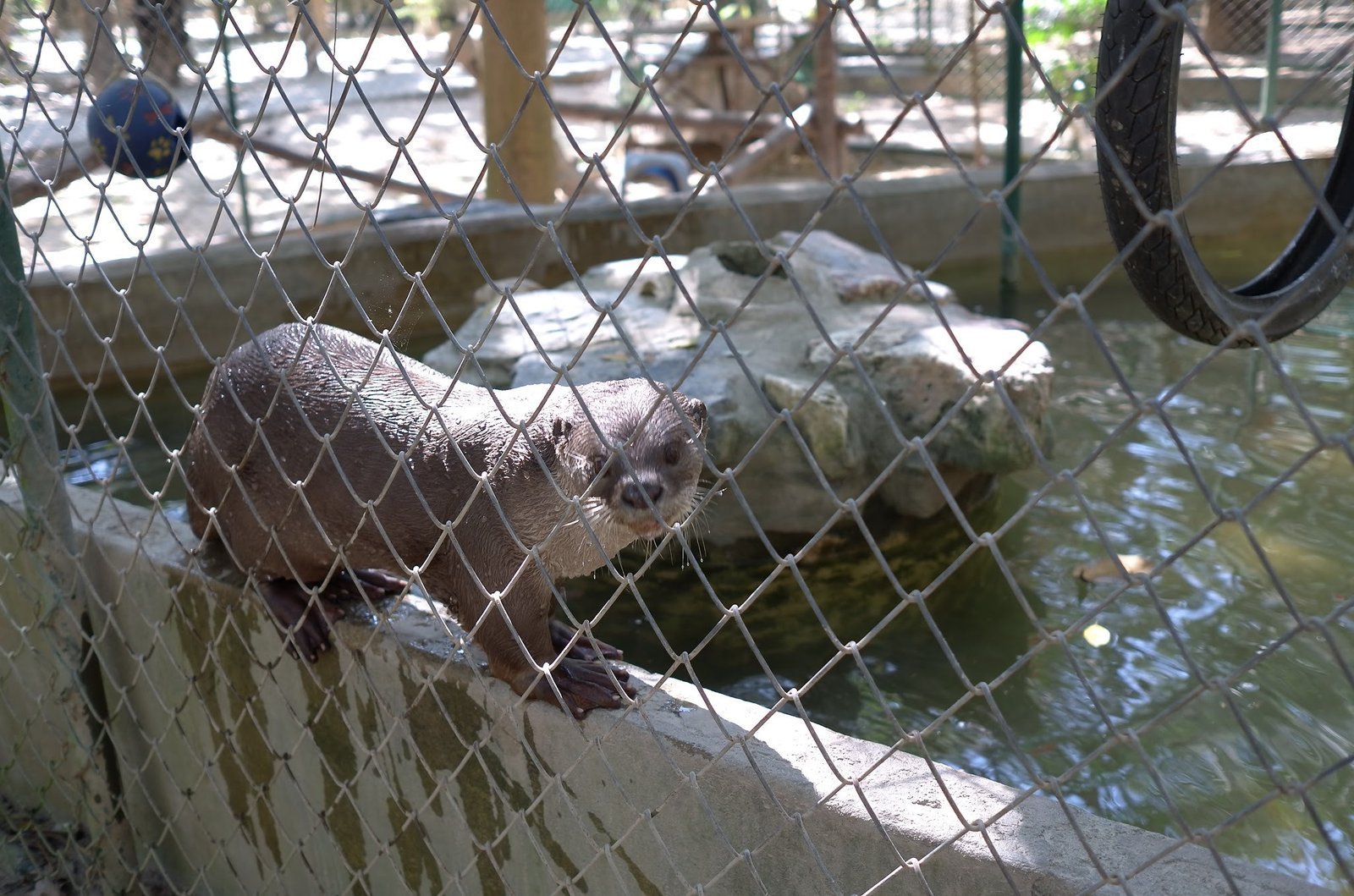
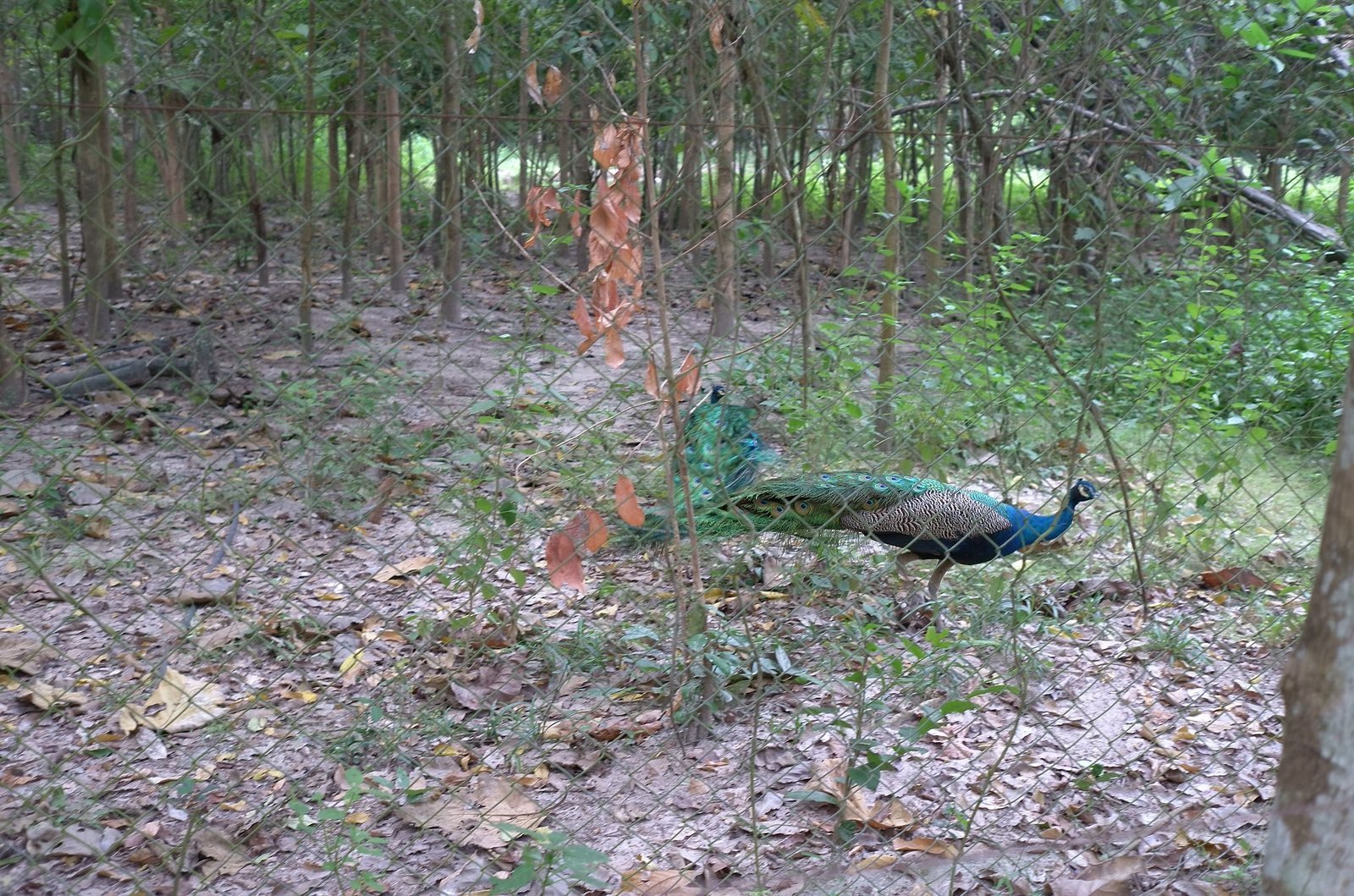
The center had a lot of wild animals, rescued from other places. Mostly monkeys and macaques, but also Asian bears and some odd animals, such as a crocodile and big birds.
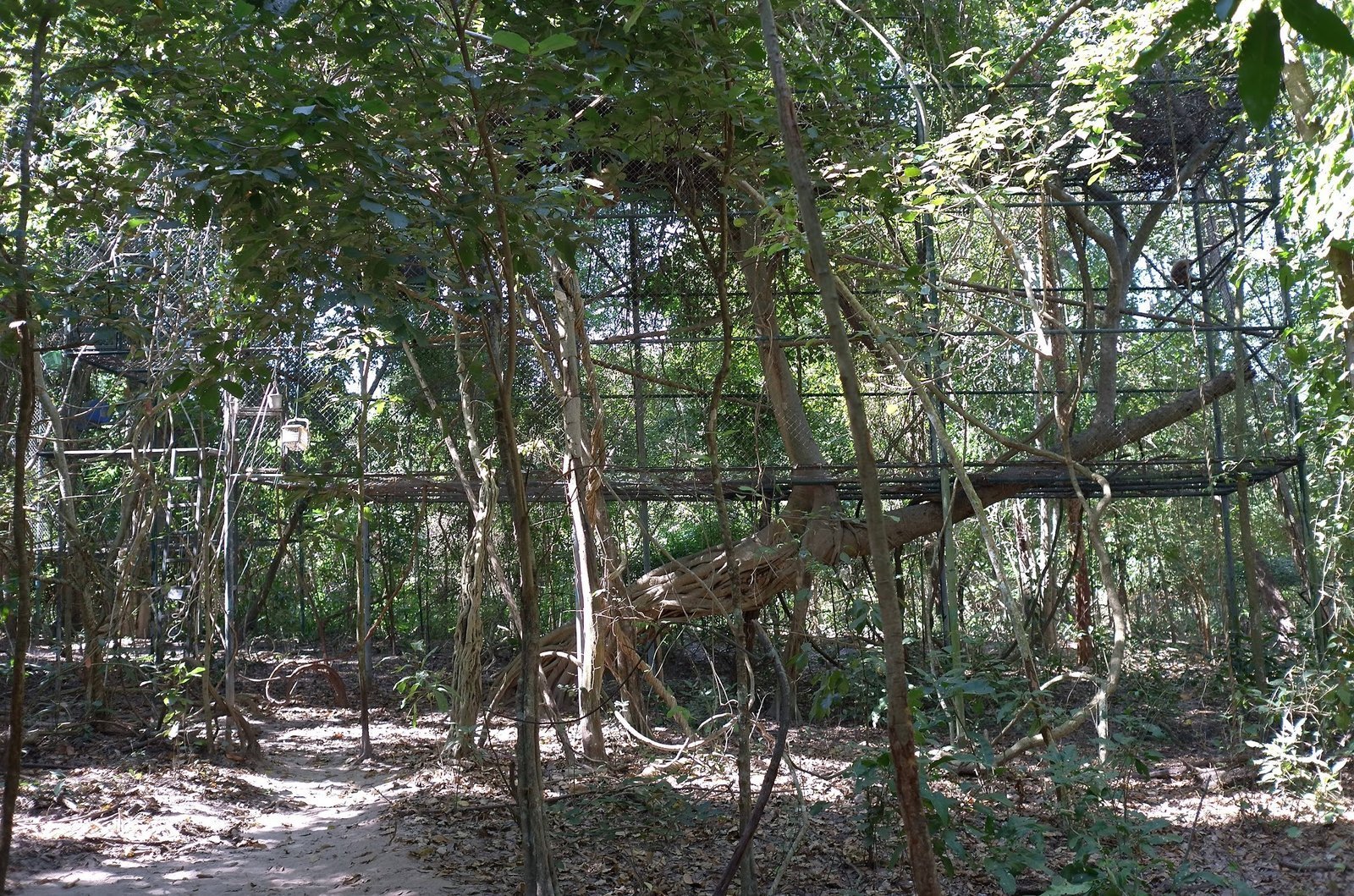
That was interesting. It also came with a lesson: look up before you walk. If you walked under some of the monkey cages, the monkeys could pee on you or throw things at you. The macaques were particularly aggressive.
One big monkey stole my sunglasses. I got too close to the fence, and it grabbed them and ran away.
The center also put monkeys back into the wild.
Life at the center
The lodging was shared with the other volunteers. I did not sleep well. I am very sensitive to noise, and there was always someone snoring very loudly — literally half a meter away from me. A bit annoying.
We got two or three meals a day, I think breakfast and lunch. The food was a very mild version of Thai food, made friendly for foreigners. I found it very boring. I like the original Thai food. So I tried to get the food the locals were eating. I also went to the market in the village.
Veterinarians worked at the center. They took care of the animals, and they also supervised us volunteers.
There was a group of volunteers who had been there for a while longer. They were from other countries, and they were really tired.
I think I was the only person of color there, besides the local Thai people. Everyone else was white — Europeans, Australians, Americans, New Zealanders. Maybe a couple of Latinos; I don’t remember. My impression was that 95% of the volunteers were white.
The documentary I never made
While I was there, I interviewed some of the veterinarians working at the center. They were all very young students.
I had an idea for a short film about the rescue of elephants — and about how elephants are used for labor and in tourism. I wanted to raise awareness and stop the mistreatment.
At that time, in 2014, elephants were still used in the tourism industry. They were caged and treated badly. The young ones were taken away from their groups. Elephants are social creatures, and the babies were taken from their maternal groups.
The film never happened. It was a lot of work to find a red thread through the material, and the idea got lost. The interviews were never published.
New Year in Hua Hin
I spent New Year’s Eve in Hua Hin with the other volunteers. We got back to the center just after midnight. About a week later, I was home.
What is my verdict?
Overall, the experience was very interesting. Old elephants, banana balls and macaques with good aim.
There were no excursions. I was there because I had paid to be there for that period of time. Looking back, a month was too much. For me, one week or two weeks at most would have been enough.
Before you book an elephant experience on your next trip, ask one question: where is this elephant’s family?
Practical facts: The center is in Phetchaburi province, south of Bangkok. I took a private taxi from Bangkok directly to the center. The volunteering is paid: you pay for lodging and work with the animals. Lodging is shared with other volunteers. Meals are included, a mild version of Thai food, and there is a market in the village. No excursions are included. For me, one to two weeks would have been enough. Hua Hin is nearby. Read about the center today on Wildlife Friends Foundation Thailand’s page about its wildlife rescue centre. I also wrote about this trip in my Medium story about the wildlife rescue center in Thailand.
More photos from the rescue center
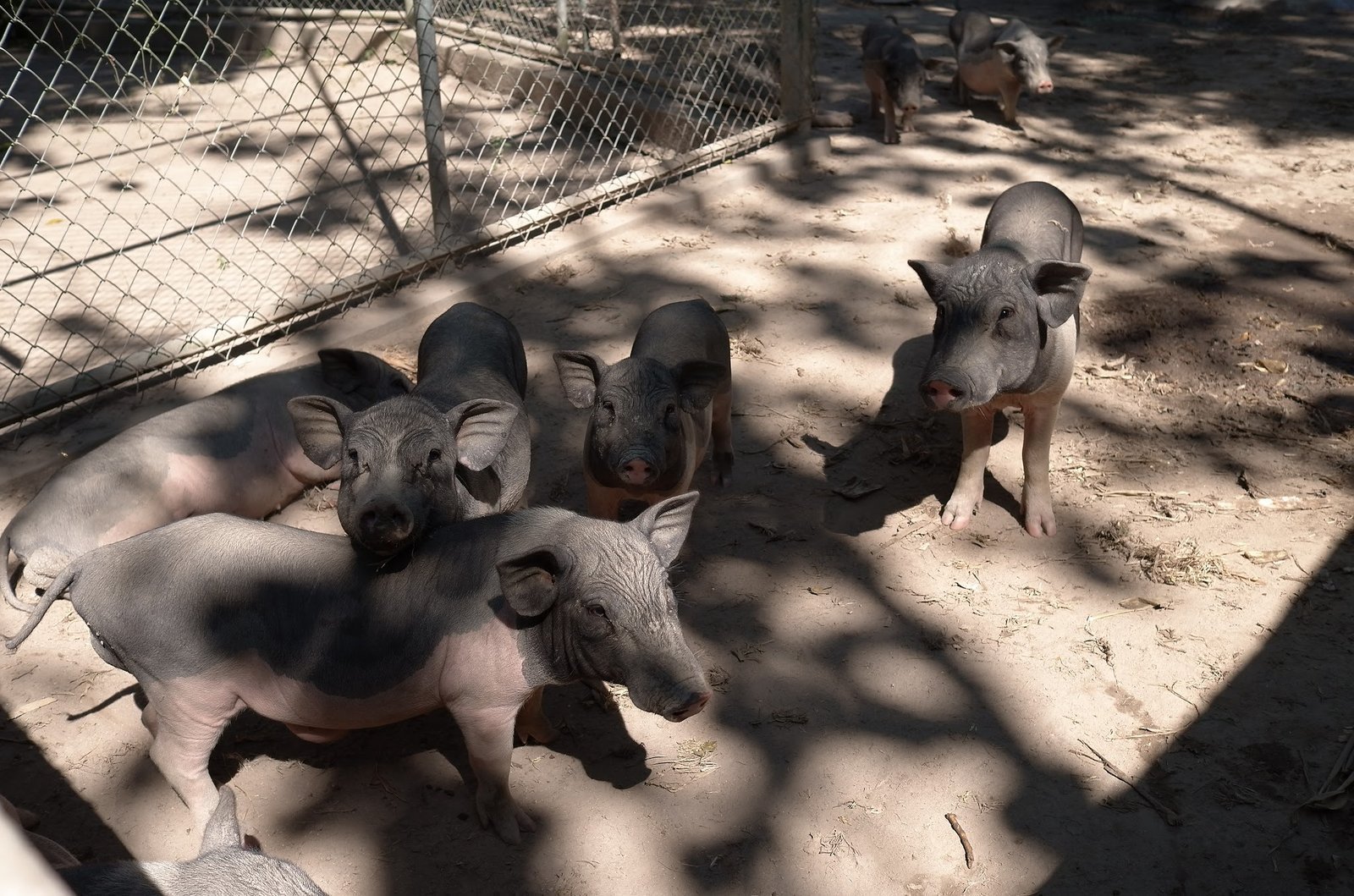
All photos by Zayera Khan. Zayera Khan is the photographer and copyright owner.