
Kenya, Tanzania and Zanzibar: An Overland Safari with Rosa Bussarna
Two weeks of tents, lions and red roads — and New Year’s Eve under the moon in Stone Town
In December 2009, I traveled through Kenya and Tanzania to Zanzibar with Rosa Bussarna, the Swedish company known for adventure group trips. We landed in Nairobi and set off on an overland safari.
About two weeks with a group of strangers. I could bear it — and some of them turned out to be really nice.
The route
- Nairobi, Kenya — we landed here and started the overland safari.
- Masai Mara, Kenya — safari drives, the Mara River and a visit to a Masai village.
- Across the border into Tanzania.
- Serengeti, Tanzania — watching wildlife on the plains.
- Ngorongoro Crater, Tanzania — a day on the crater floor.
- A domestic flight, then from Dar es Salaam to Zanzibar.
- Zanzibar — a hotel just south of Stone Town, and New Year’s Eve in Stone Town.
Tents and campsites
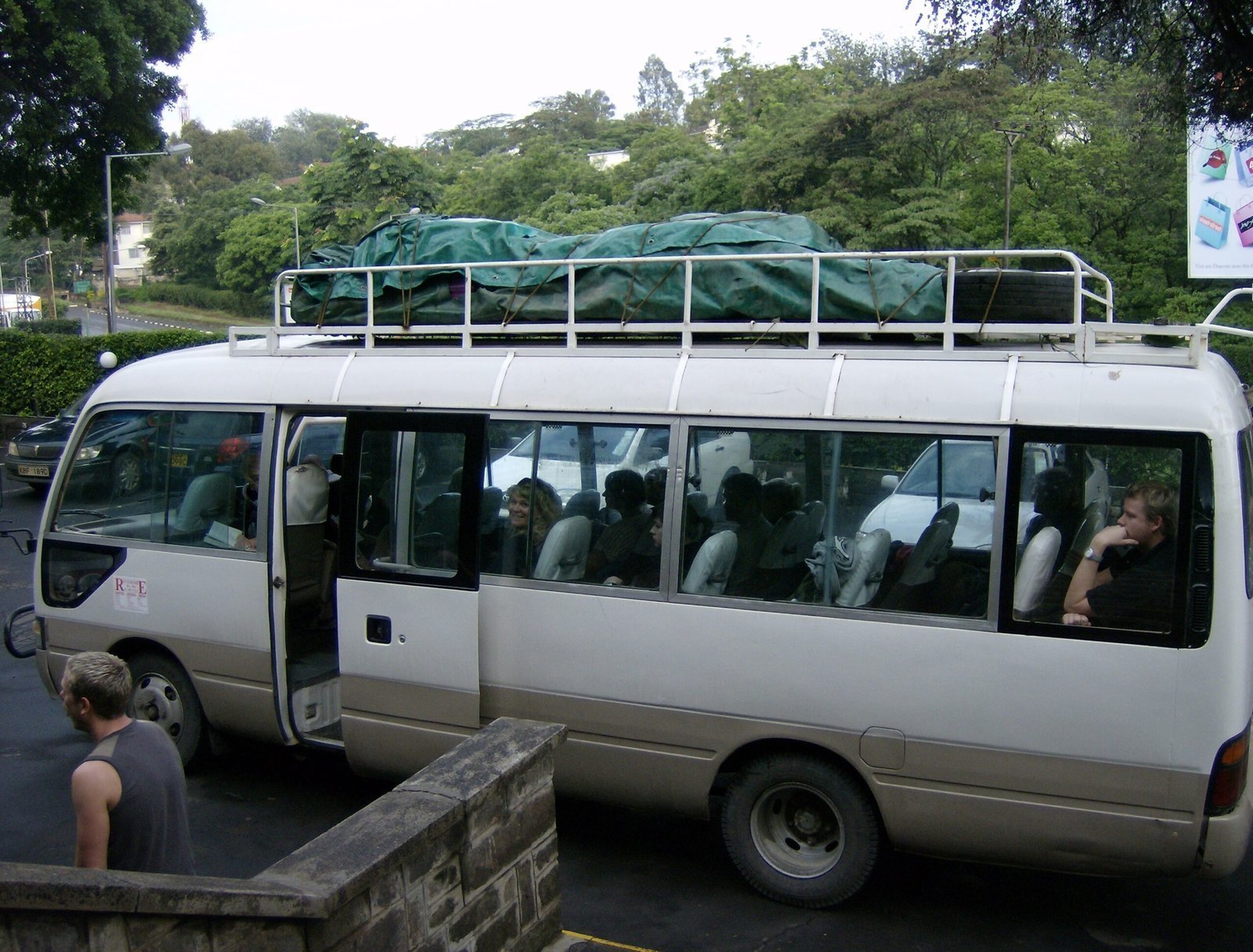
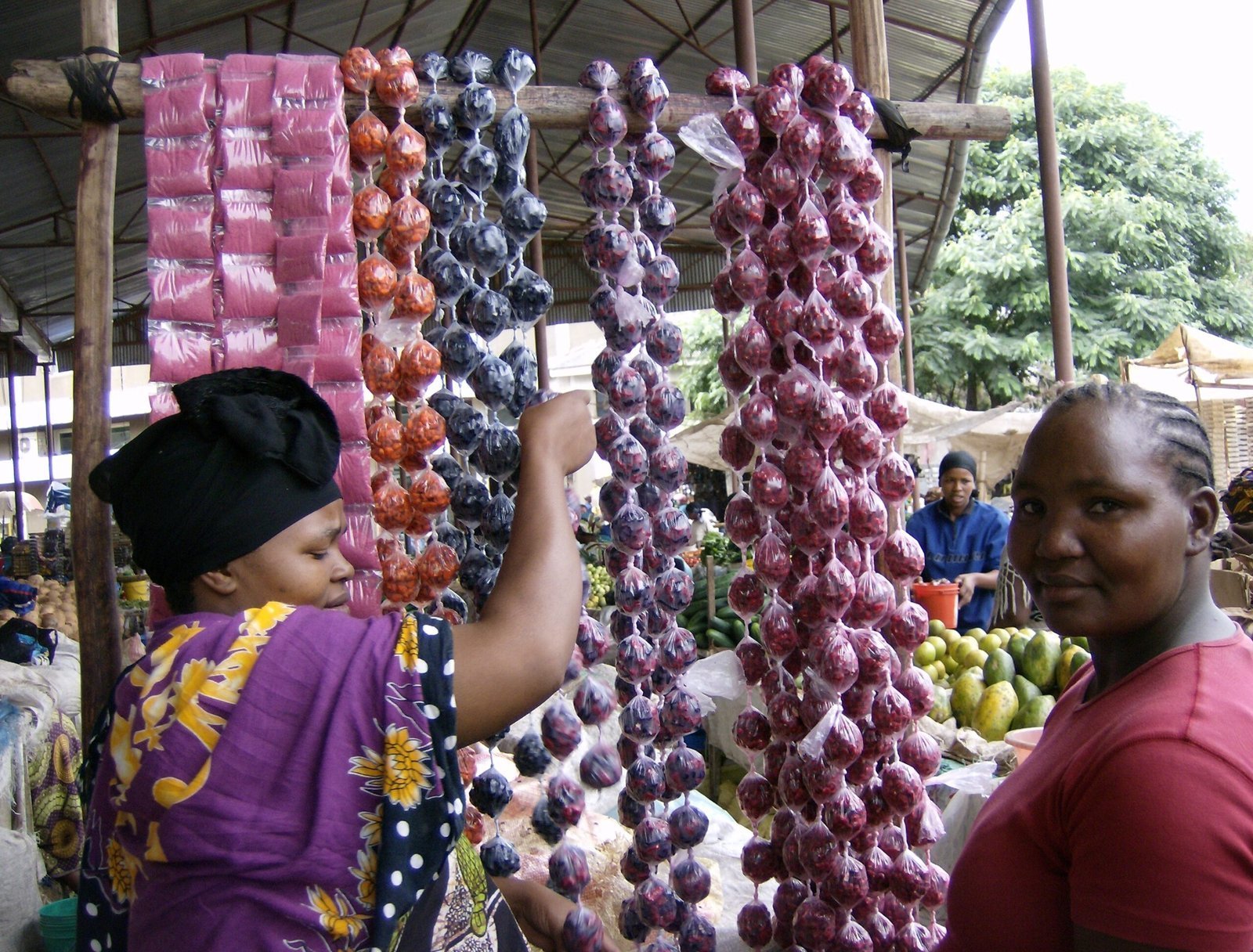
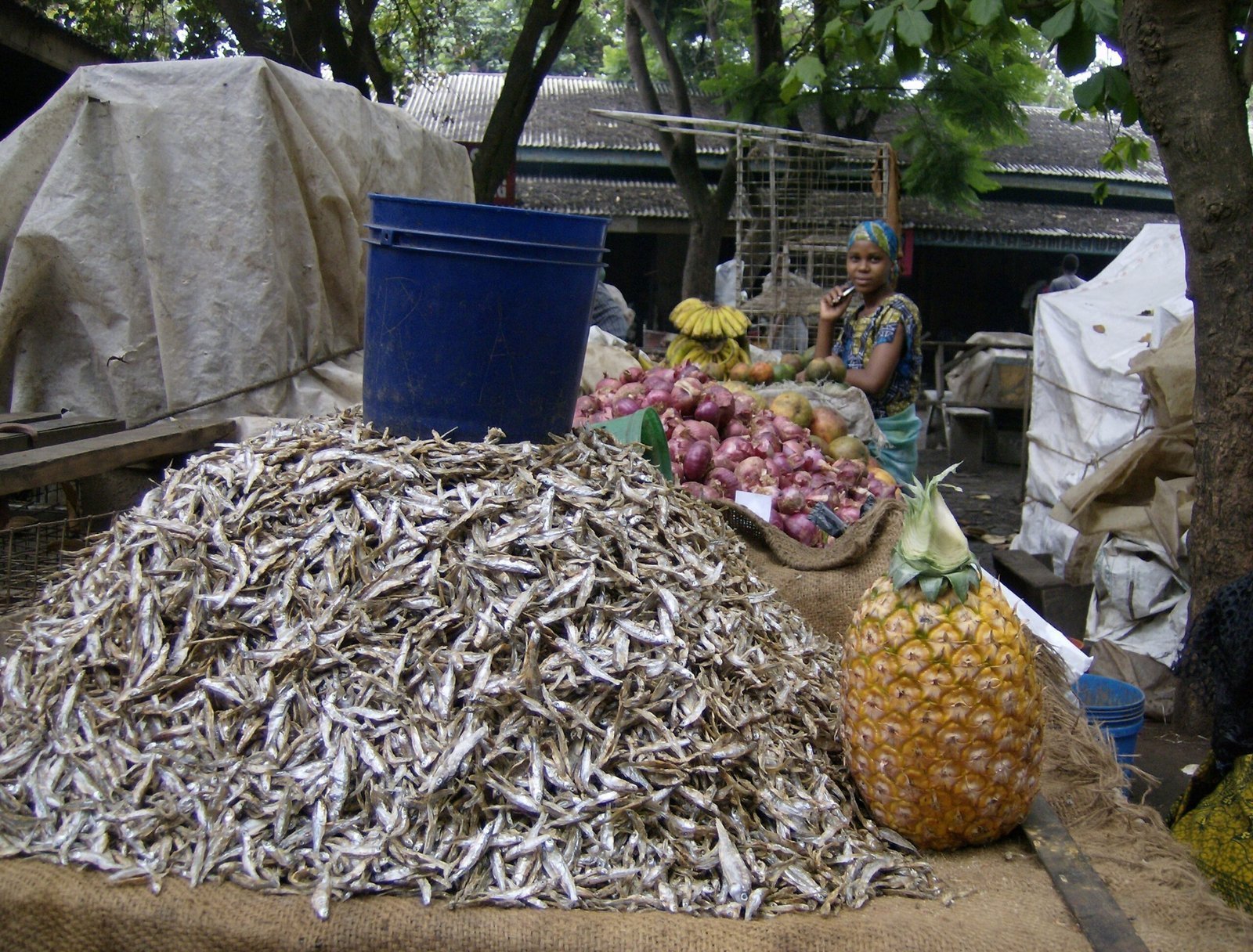
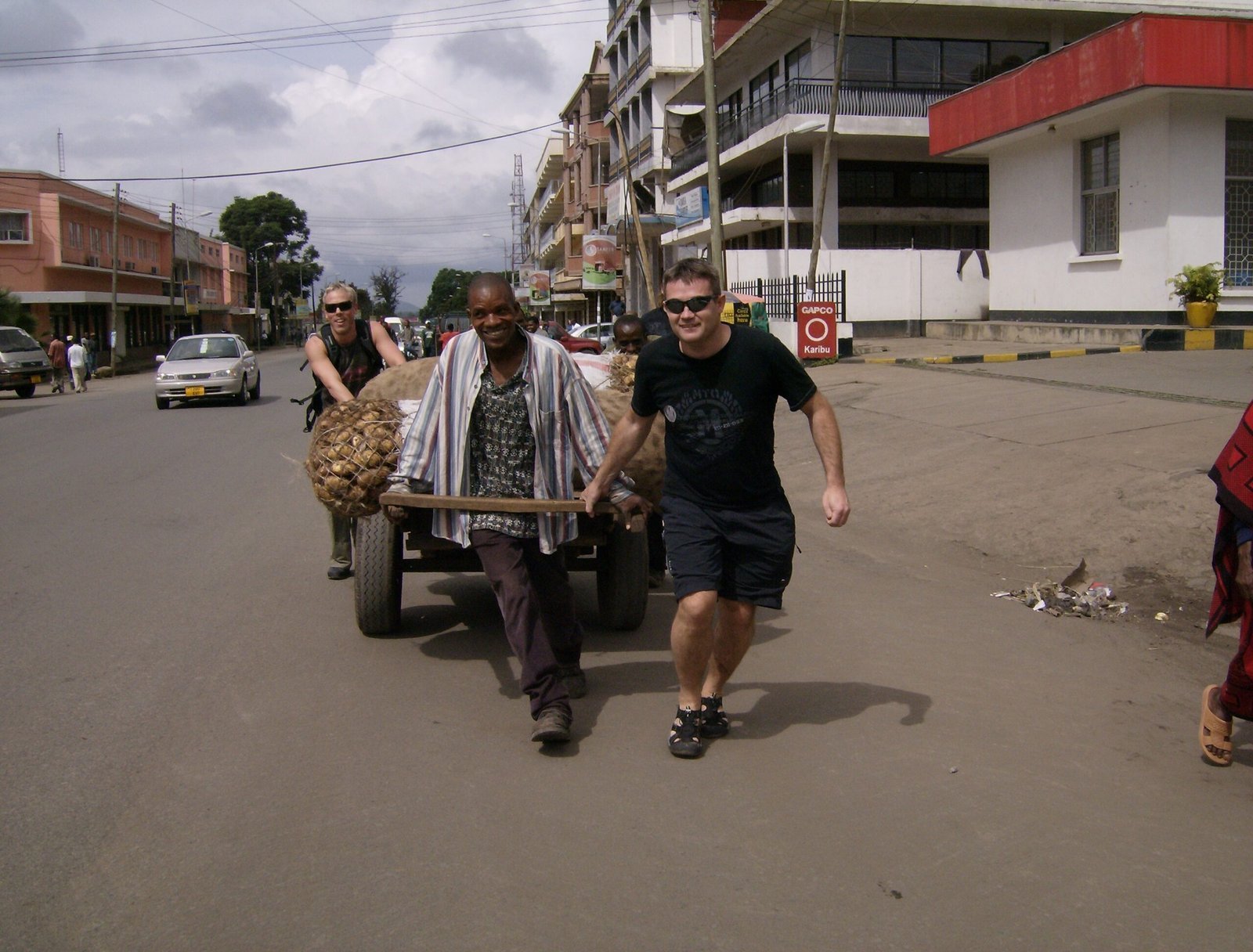
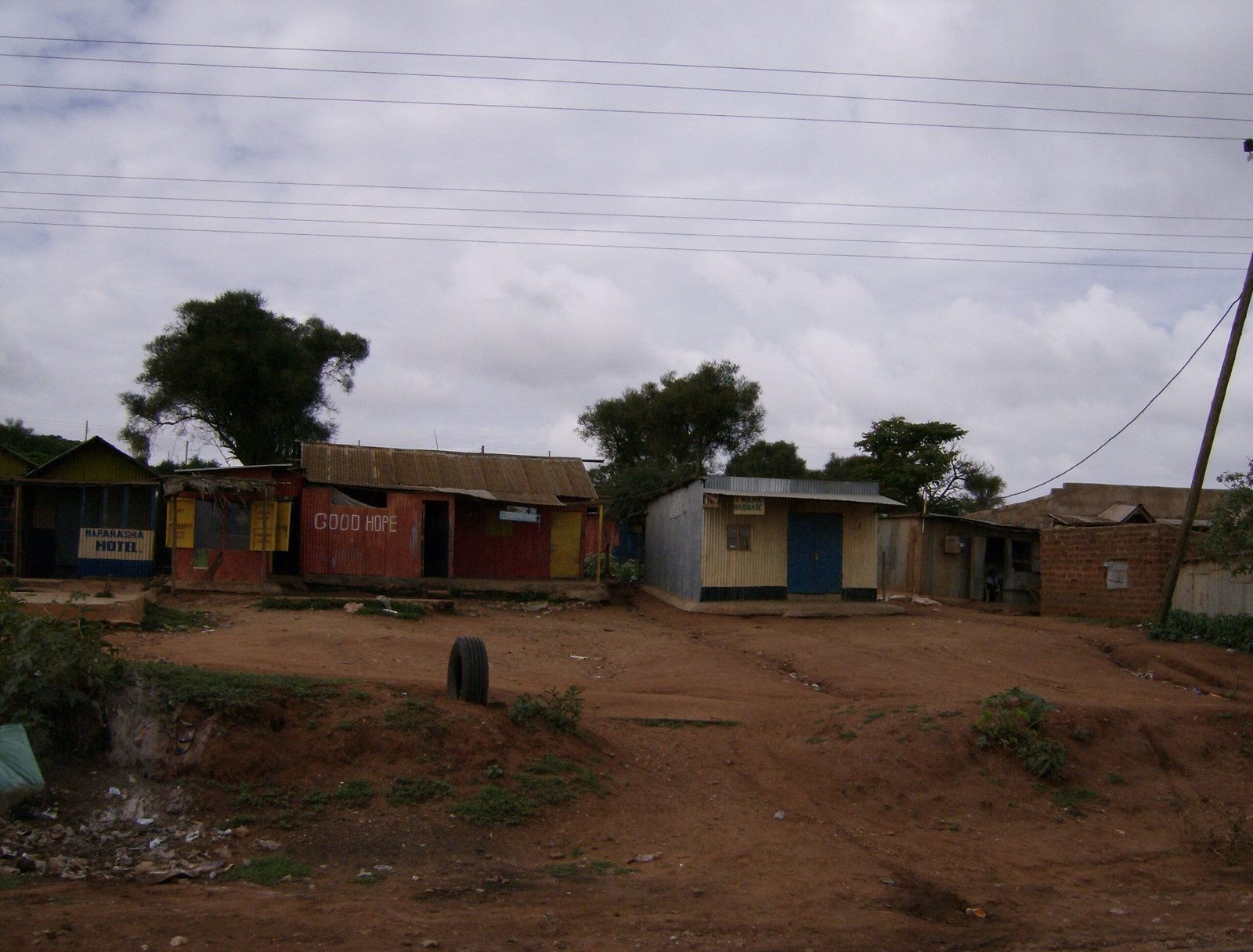
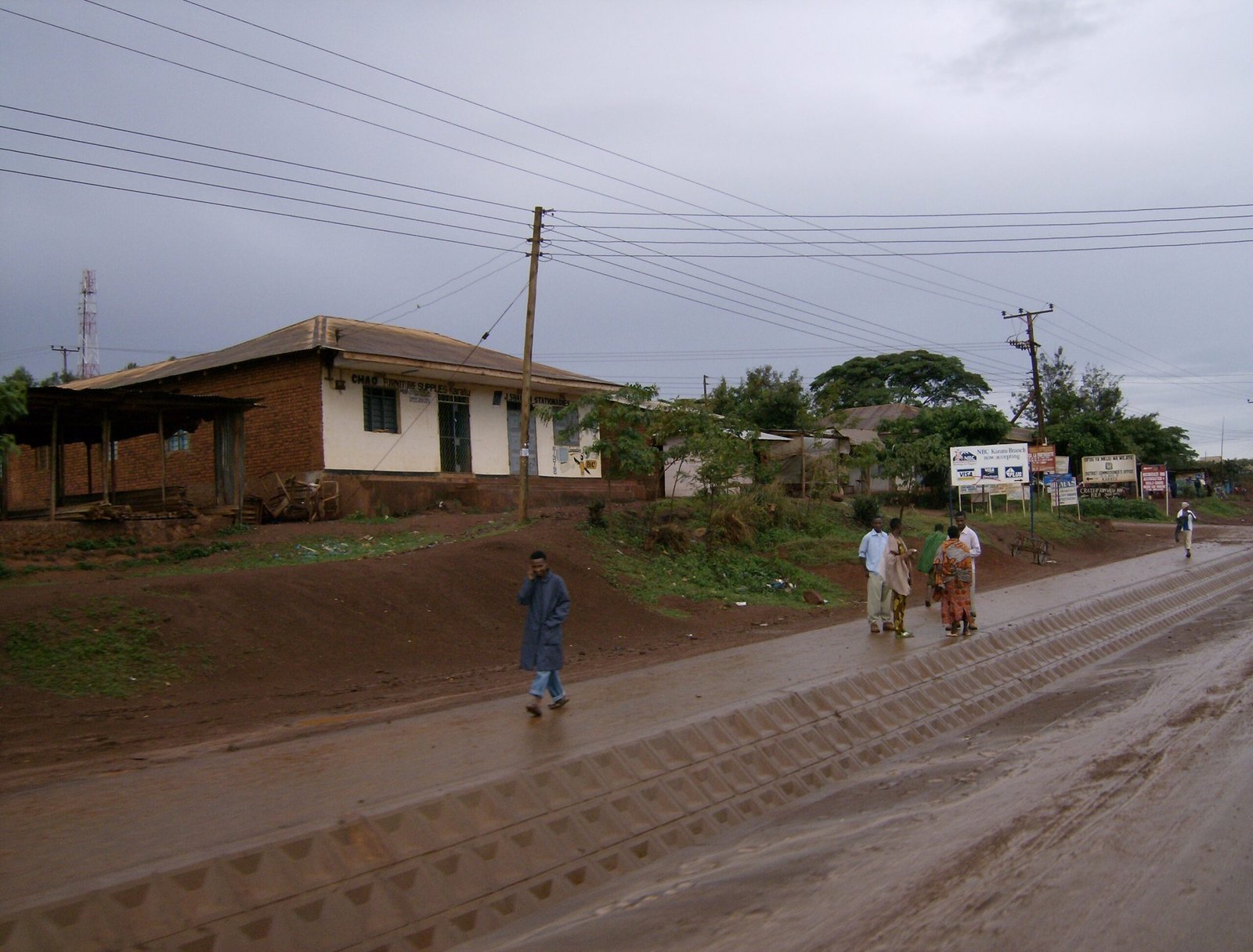
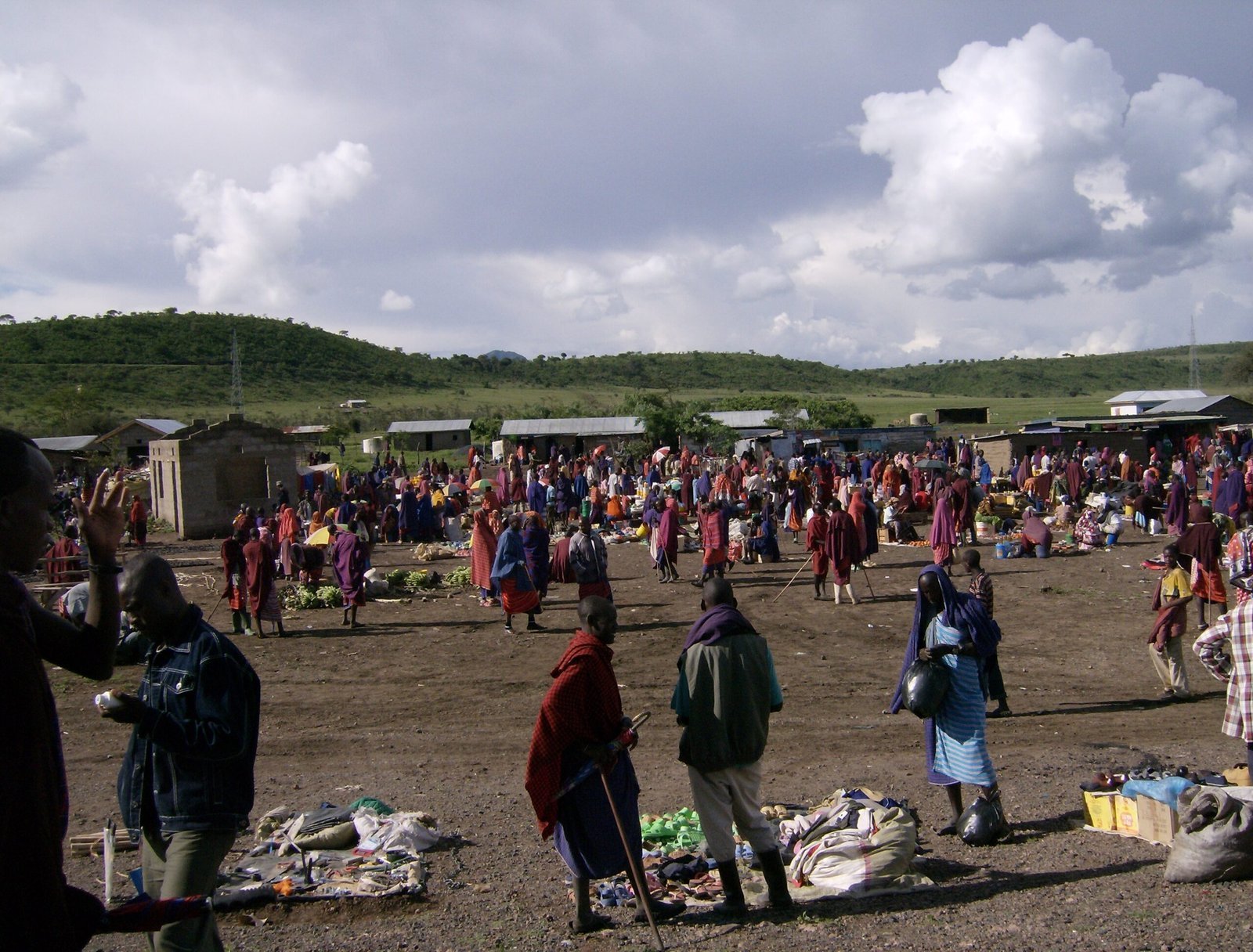
On the overland part, we slept at campsites, in tents. Between the parks, we spent long hours on the road. I photographed street life from the van — markets, red earth, muddy roads after the rain, people walking along the roadside.
Masai Mara and a Masai village
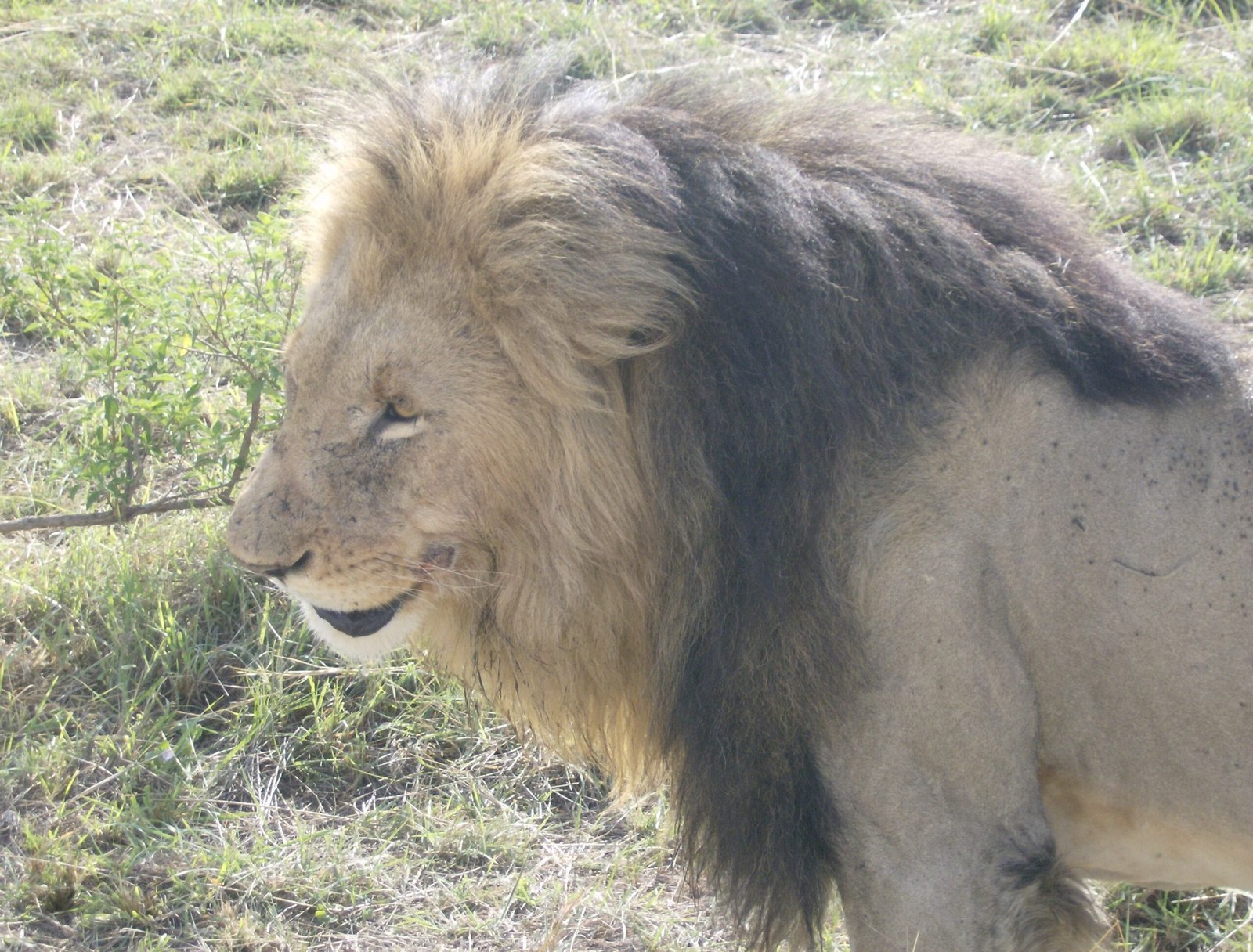
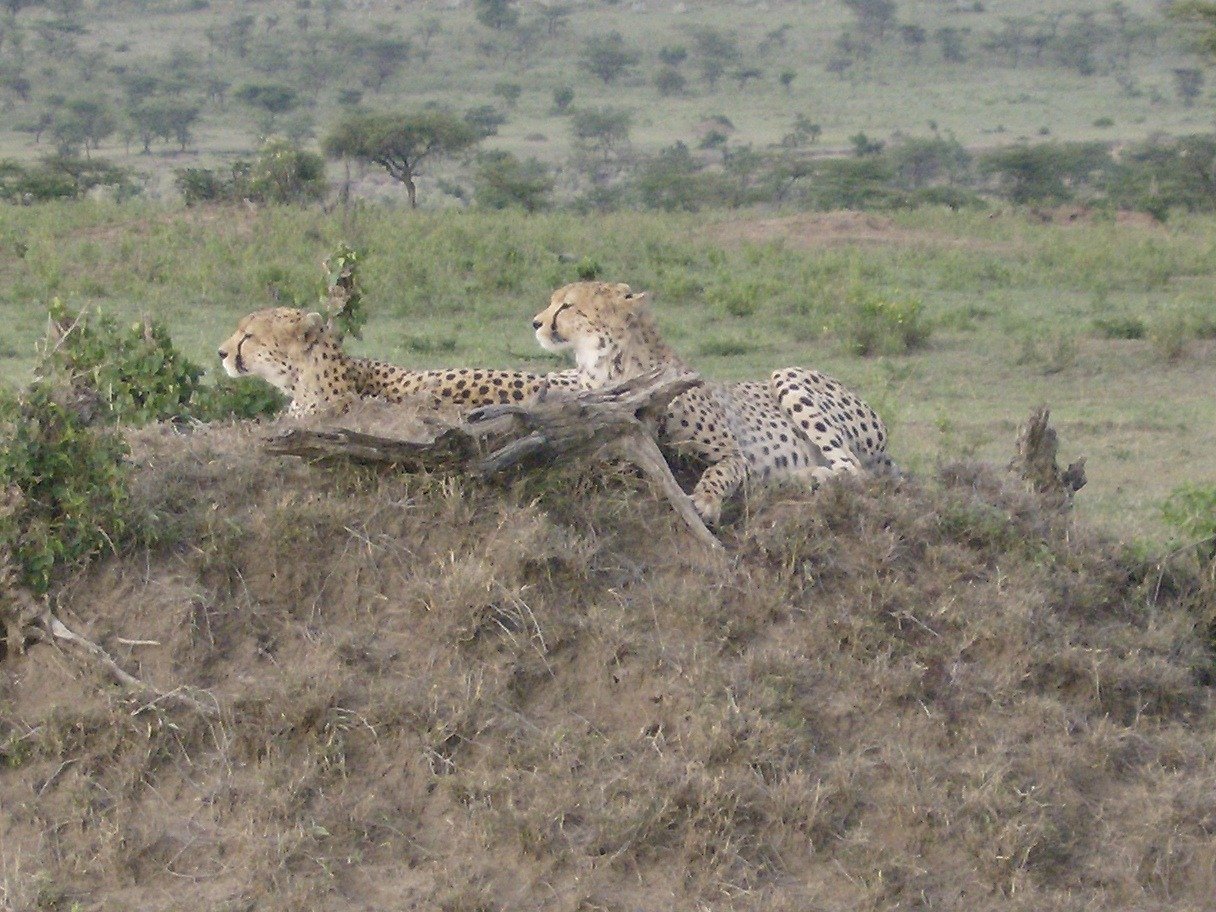
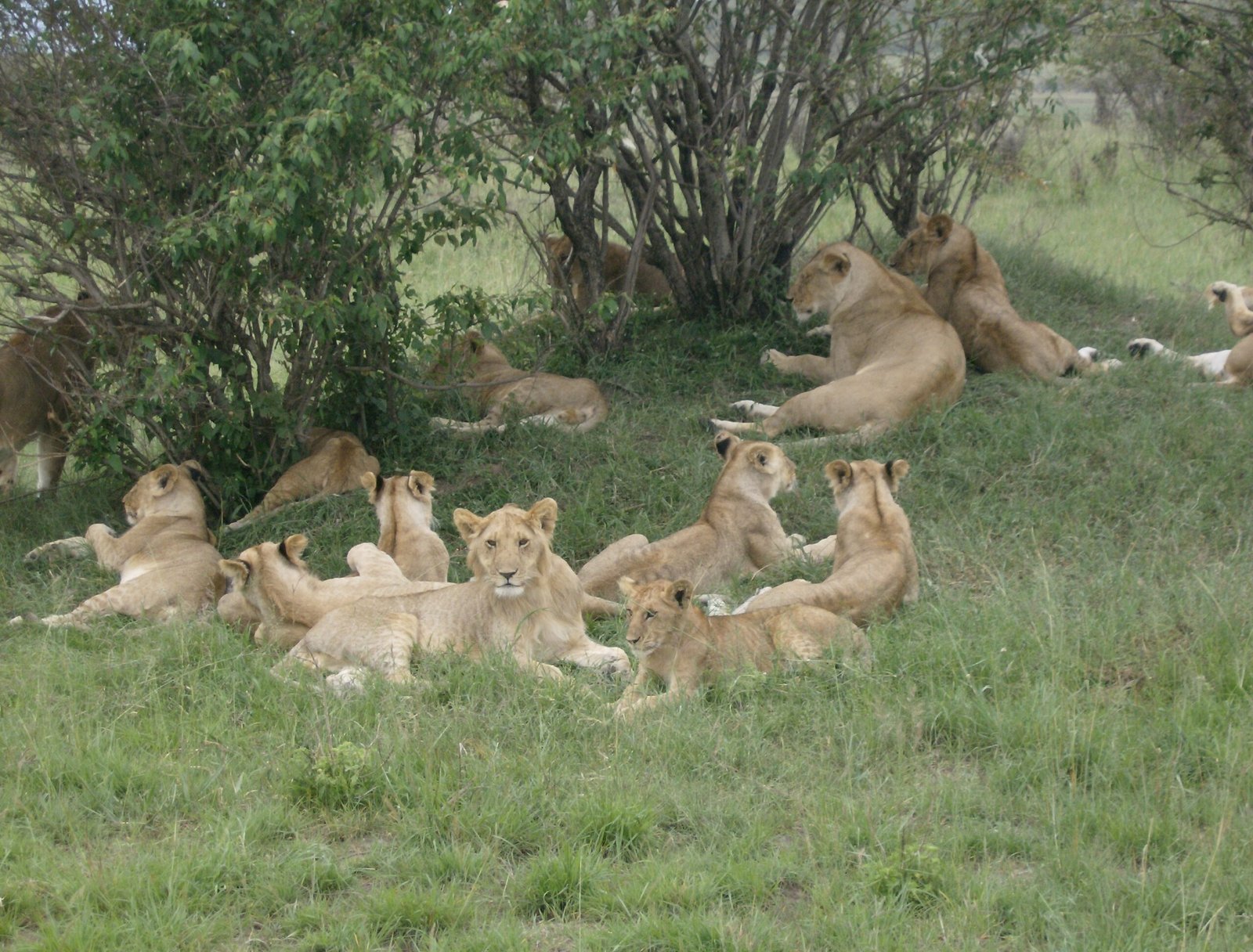
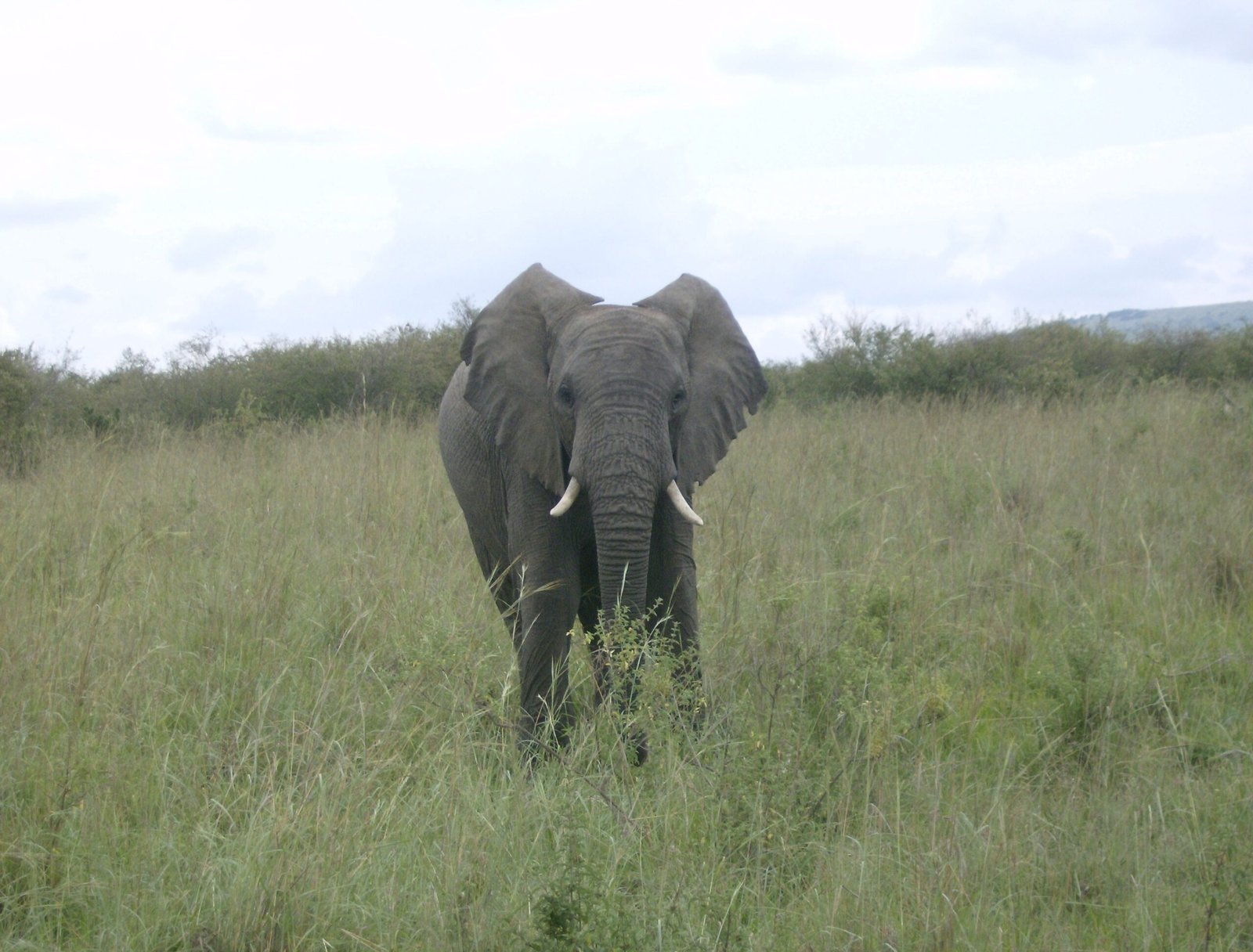
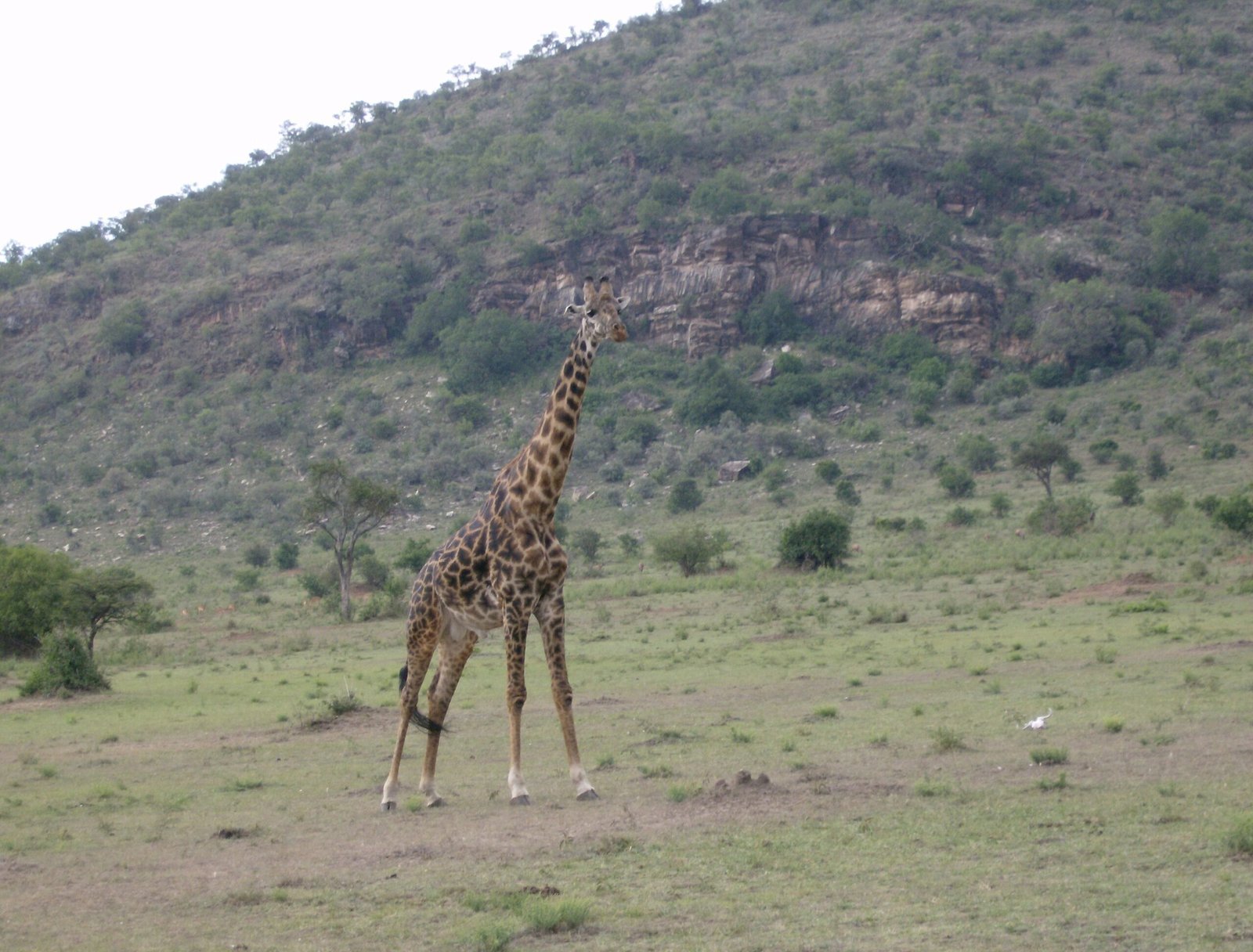
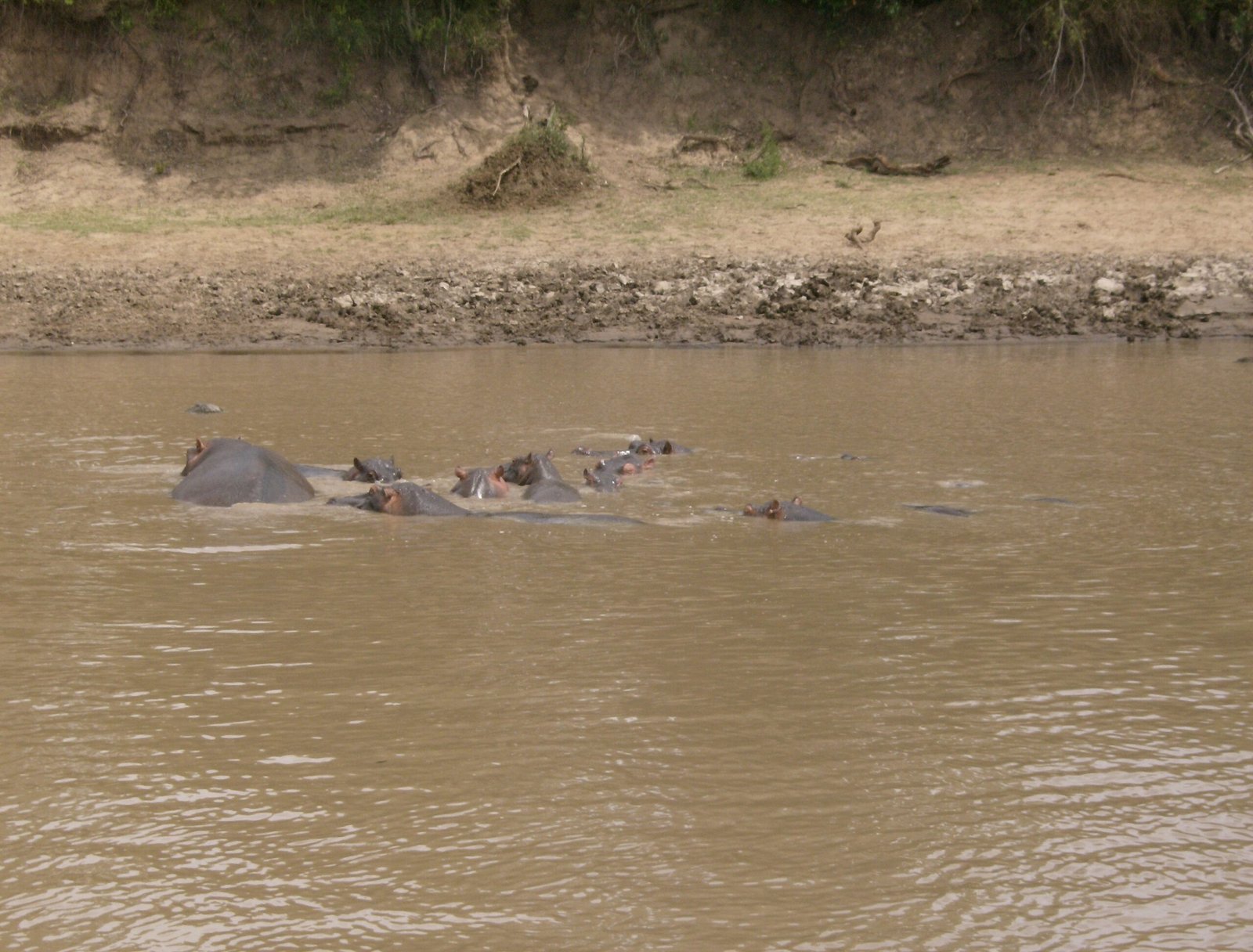
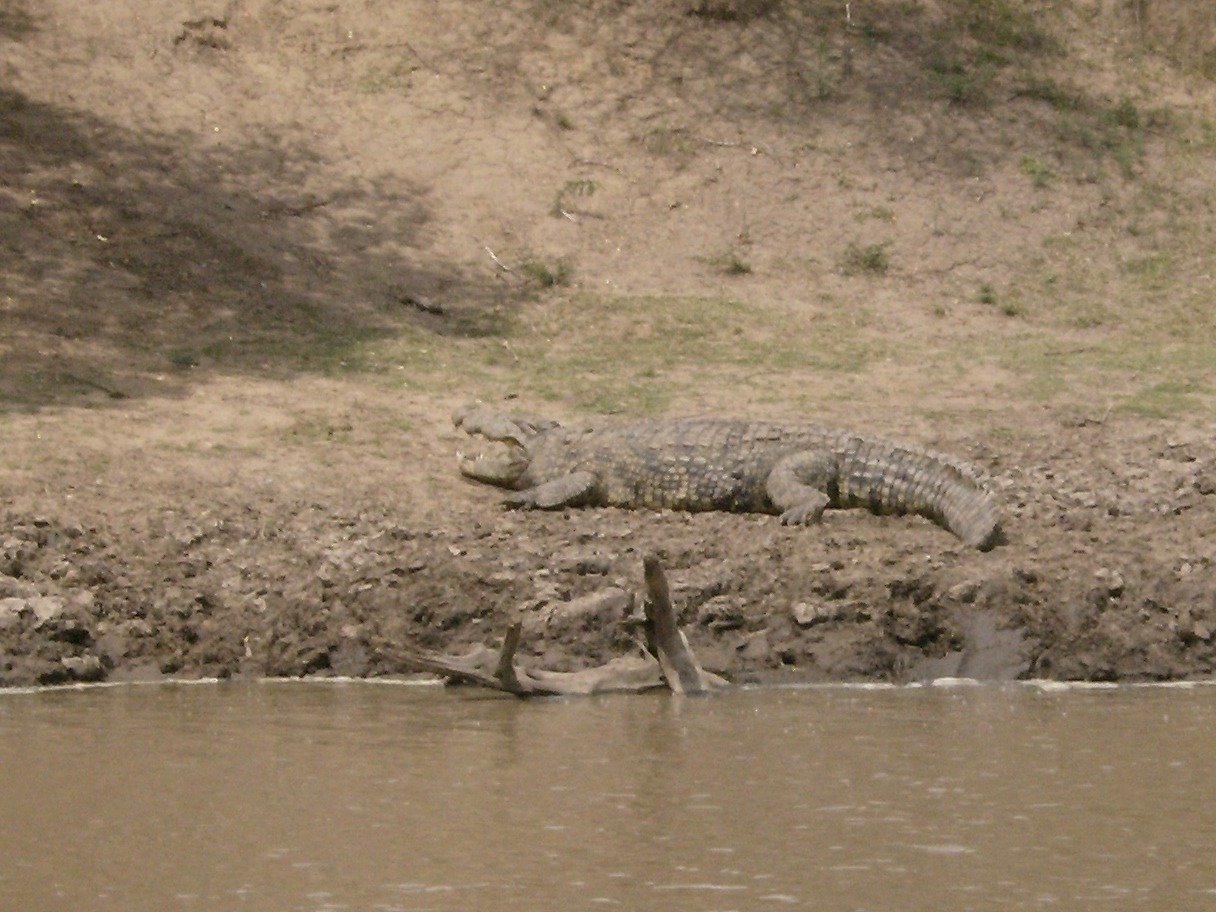
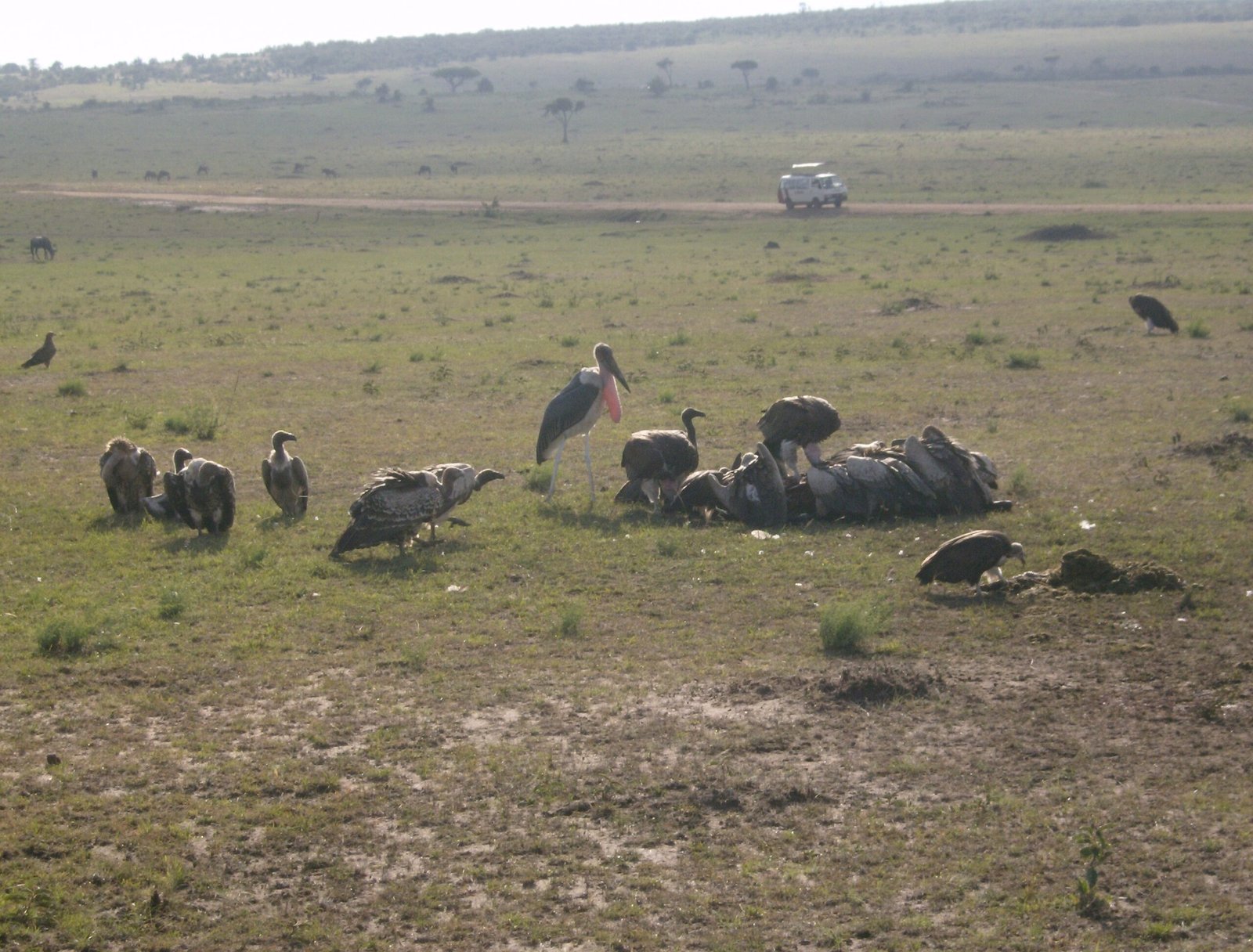
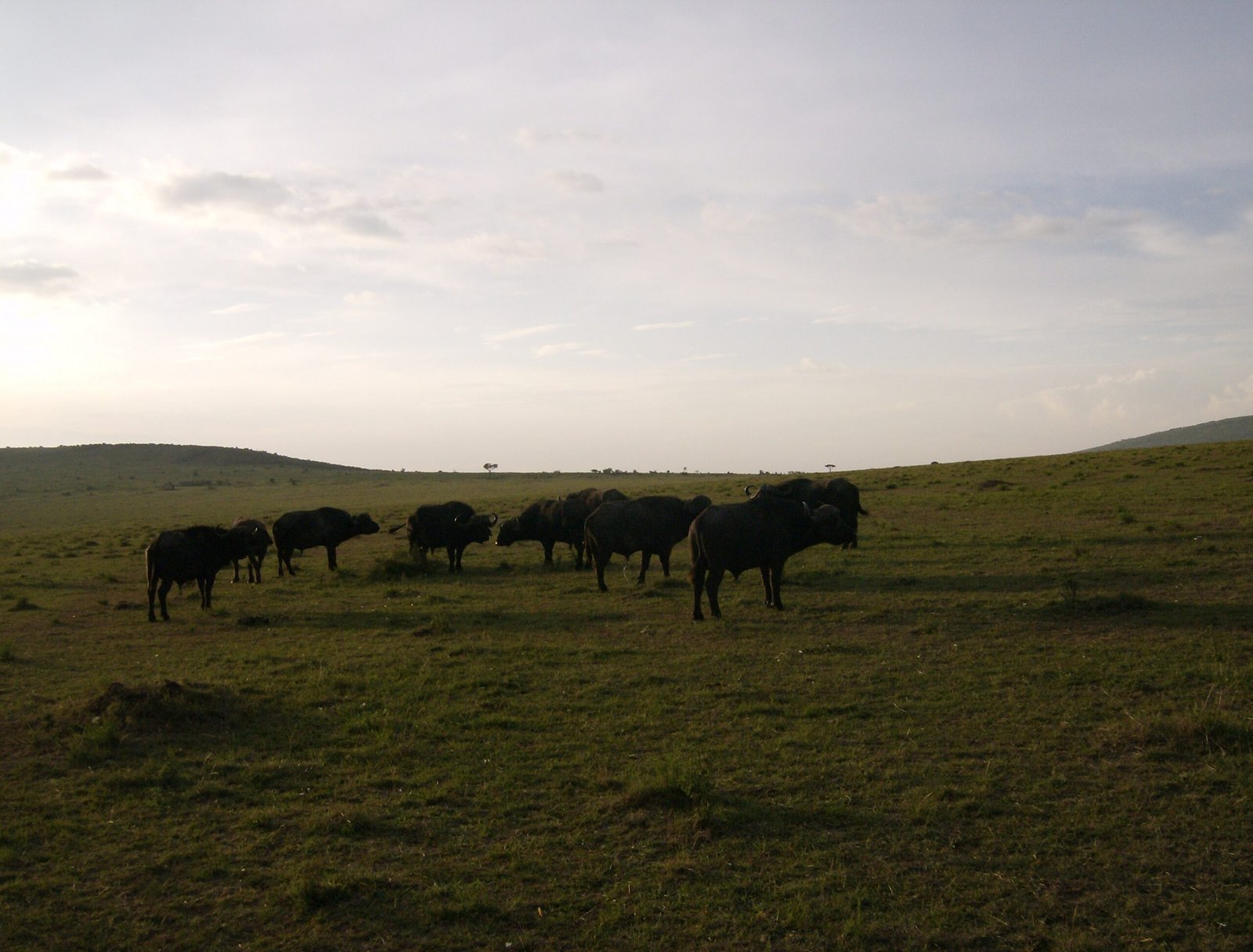
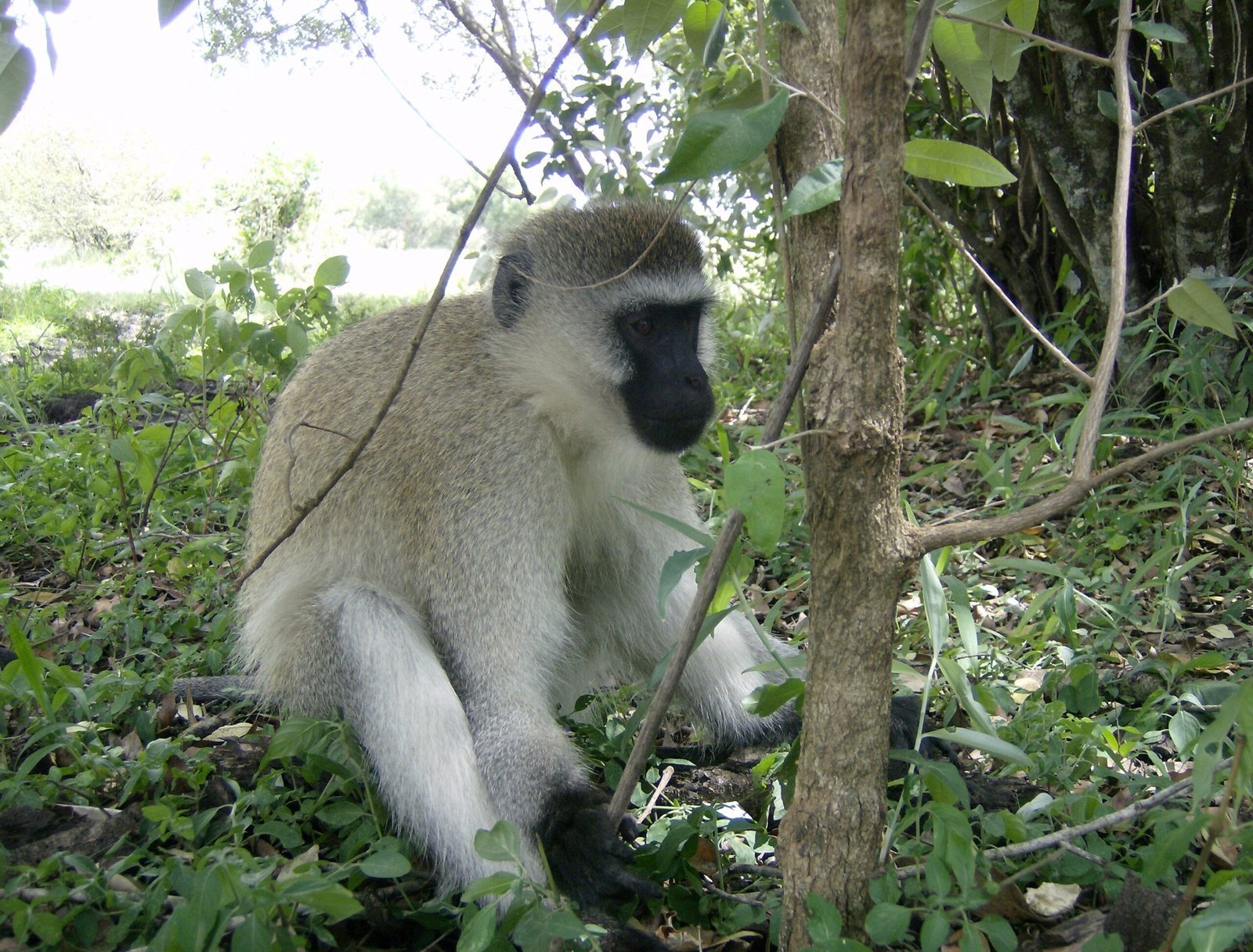
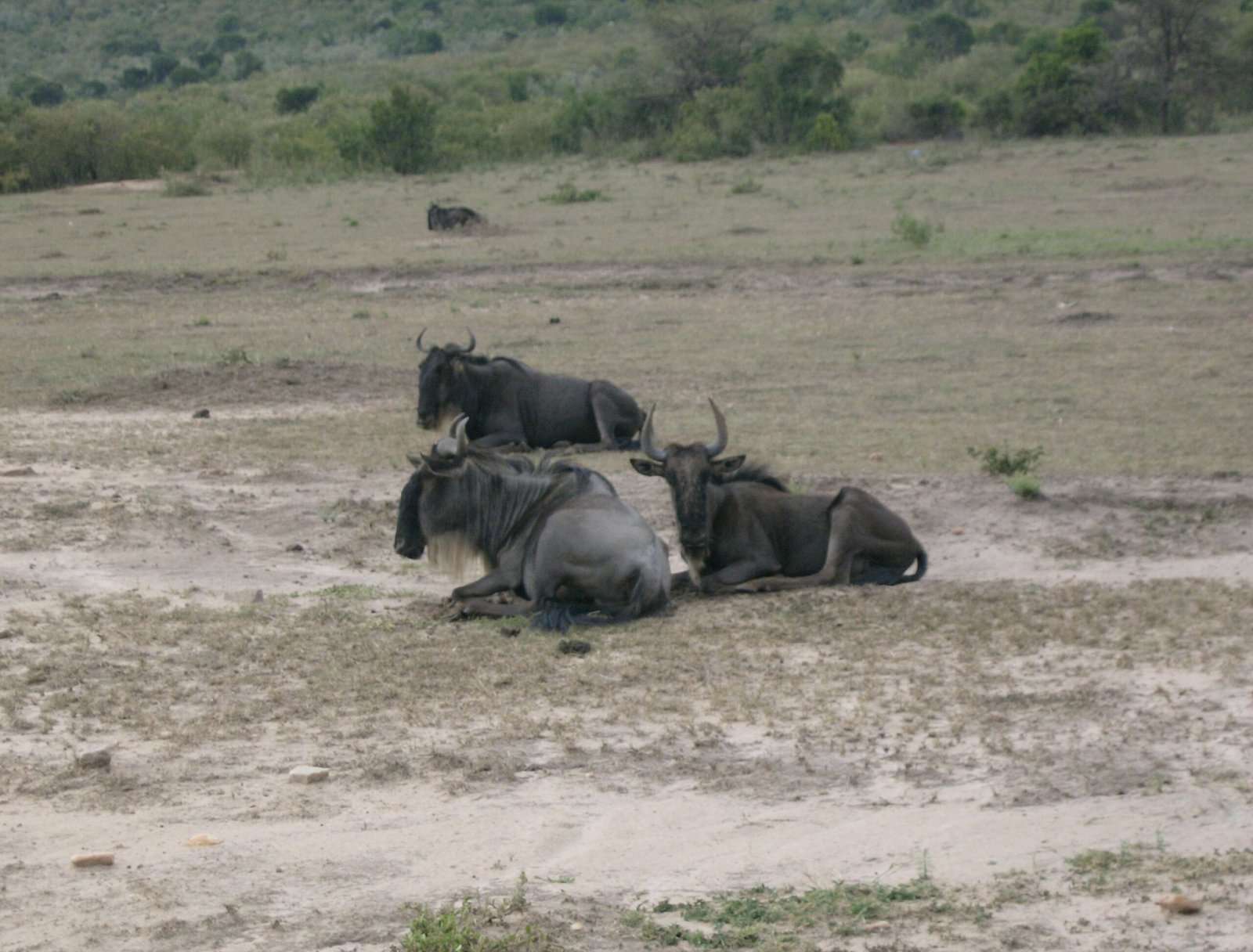
The Masai Mara was the first big safari. Lions resting in the shade, cheetahs on a termite mound, a leopard in a tree, elephants, giraffes, and hippos and crocodiles in the Mara River.
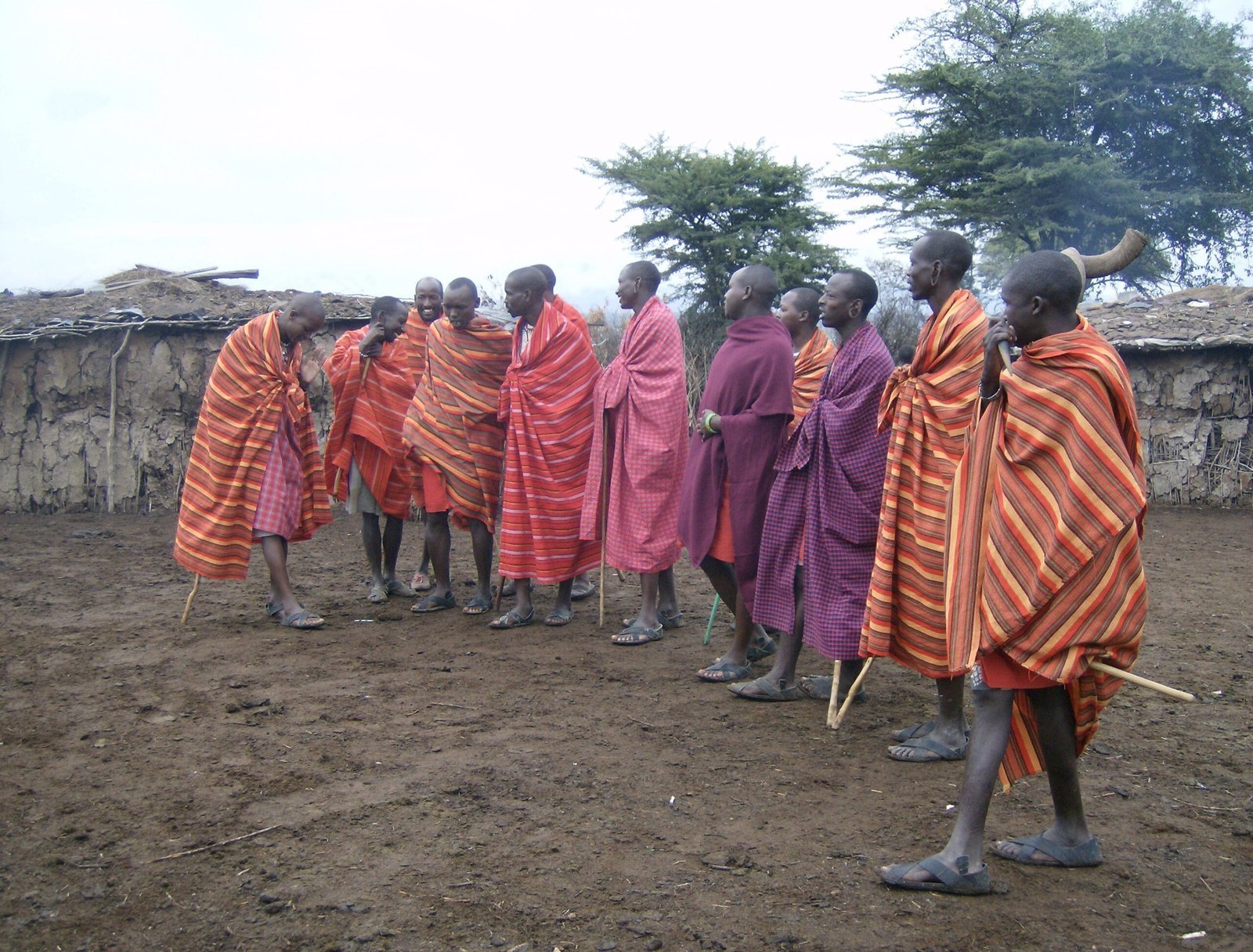
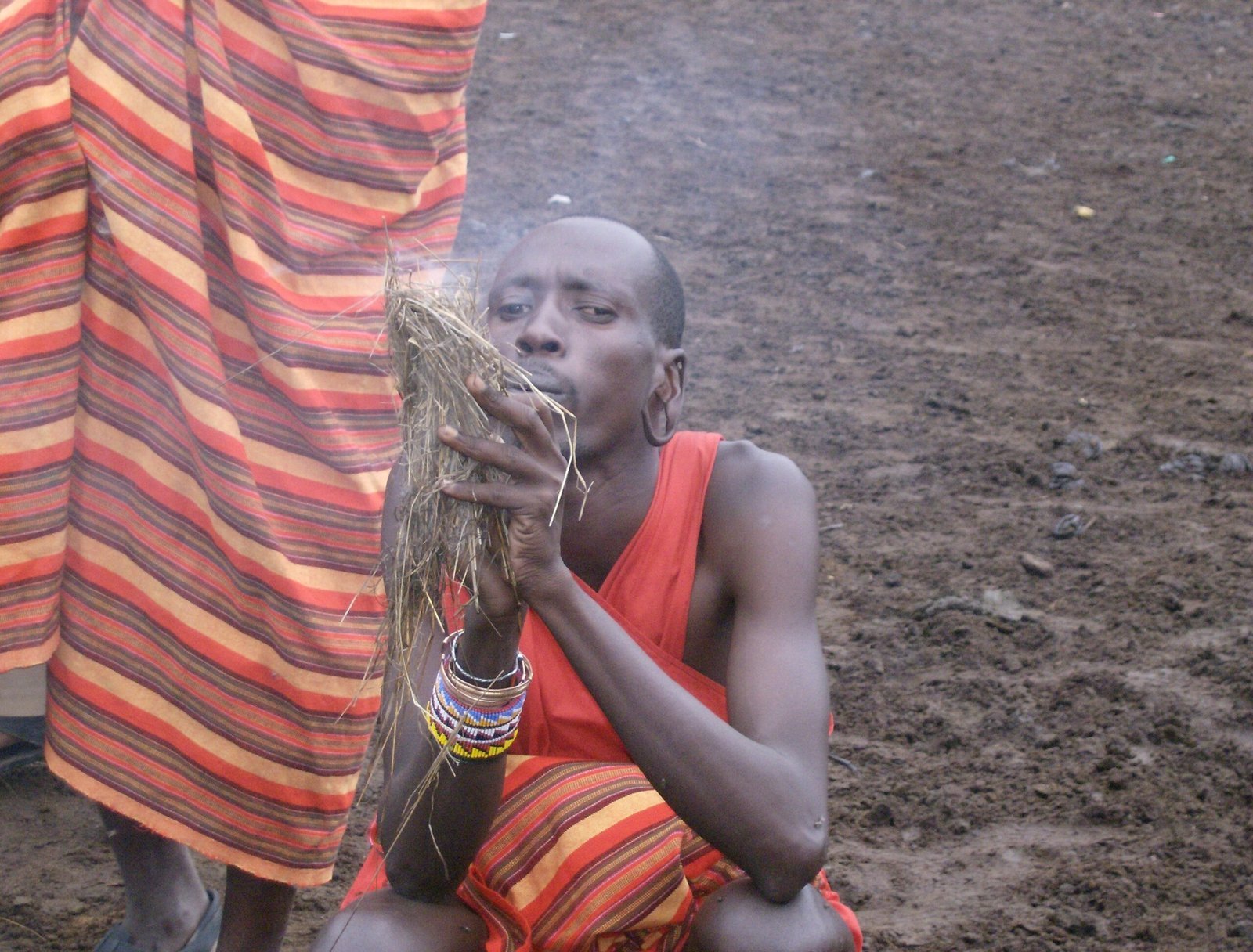
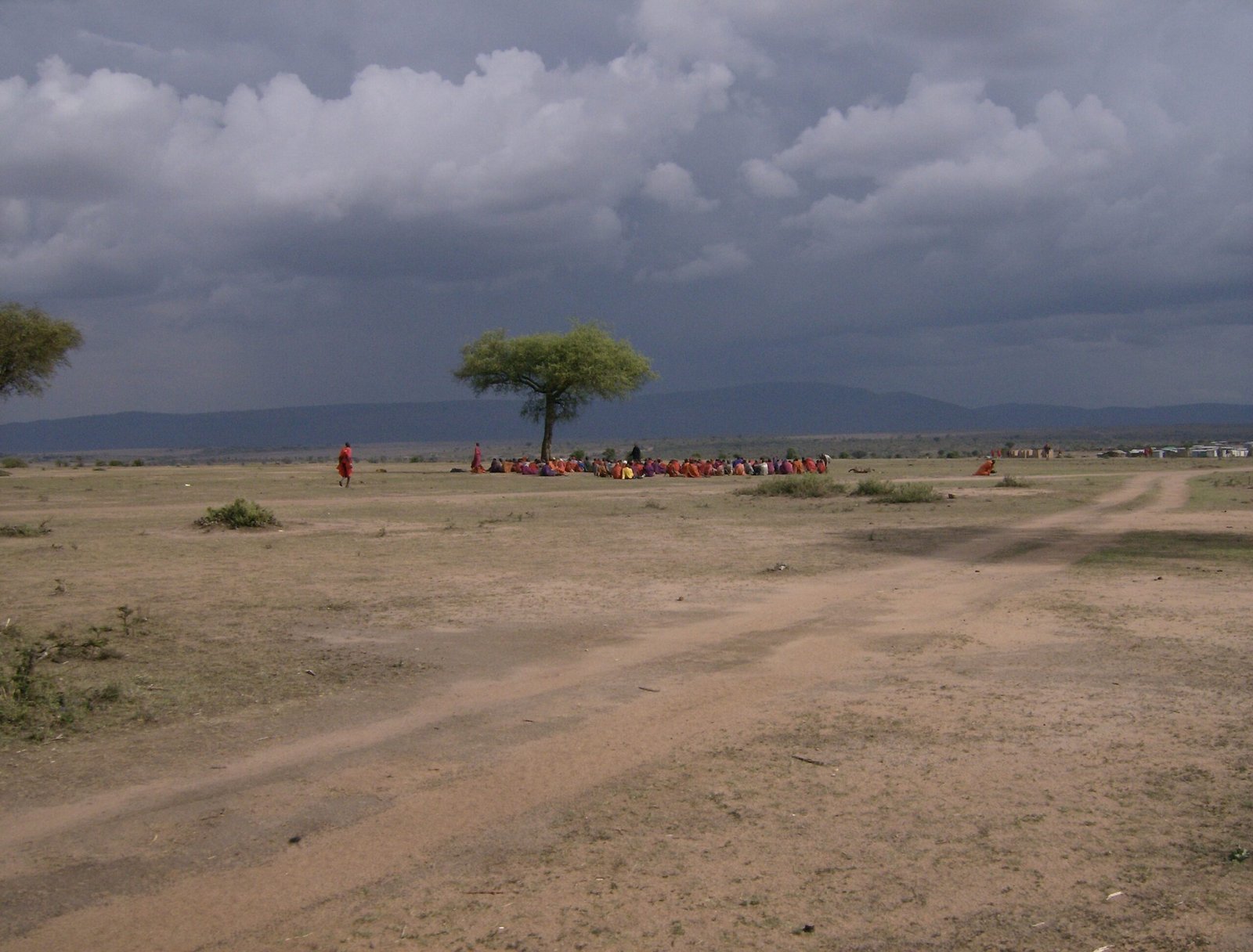
We also visited a Masai village. The men welcomed us with a dance.
Serengeti and the Ngorongoro Crater
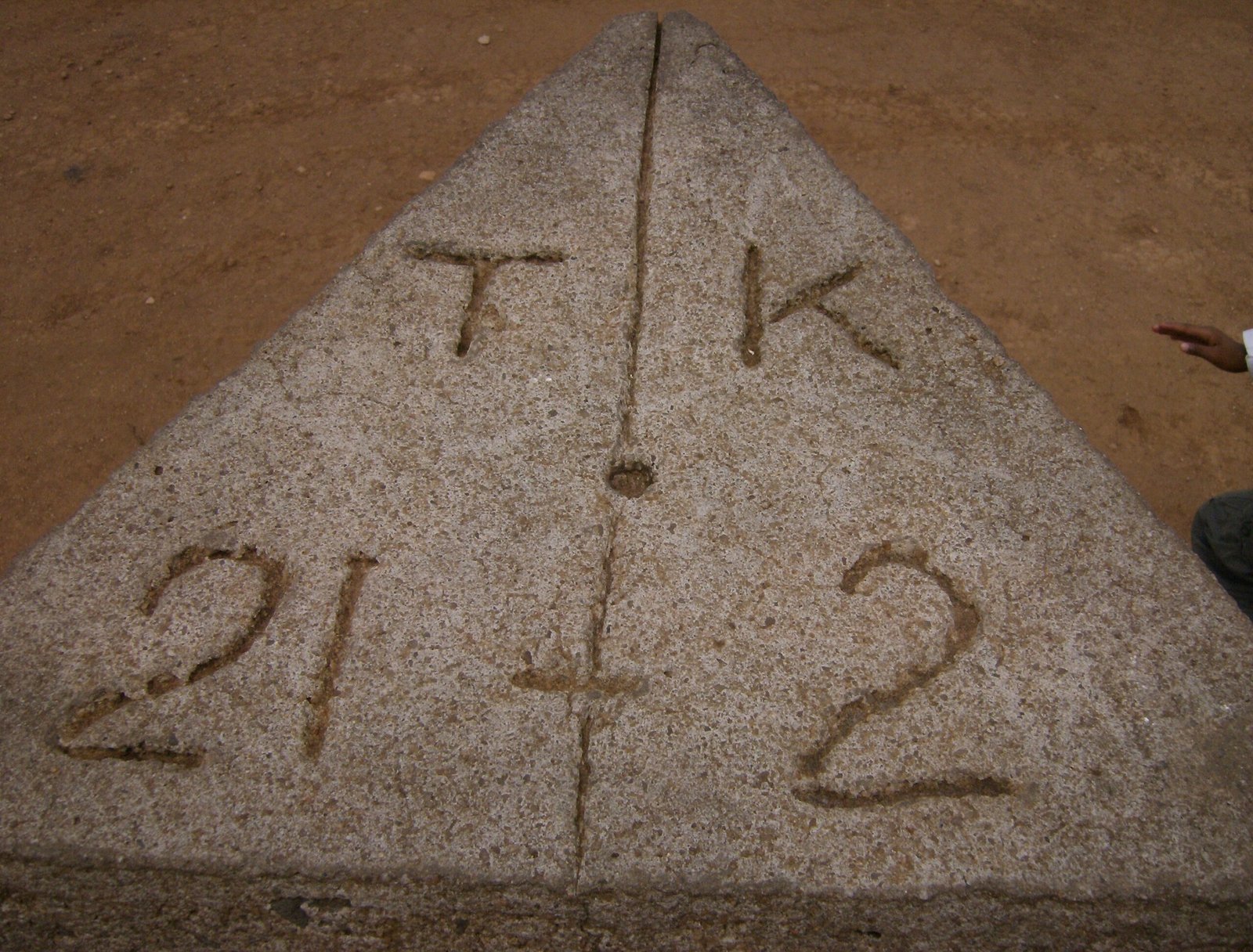
The Masai Mara and the Serengeti are one landscape. A small stone pillar marks where Kenya ends and Tanzania begins.
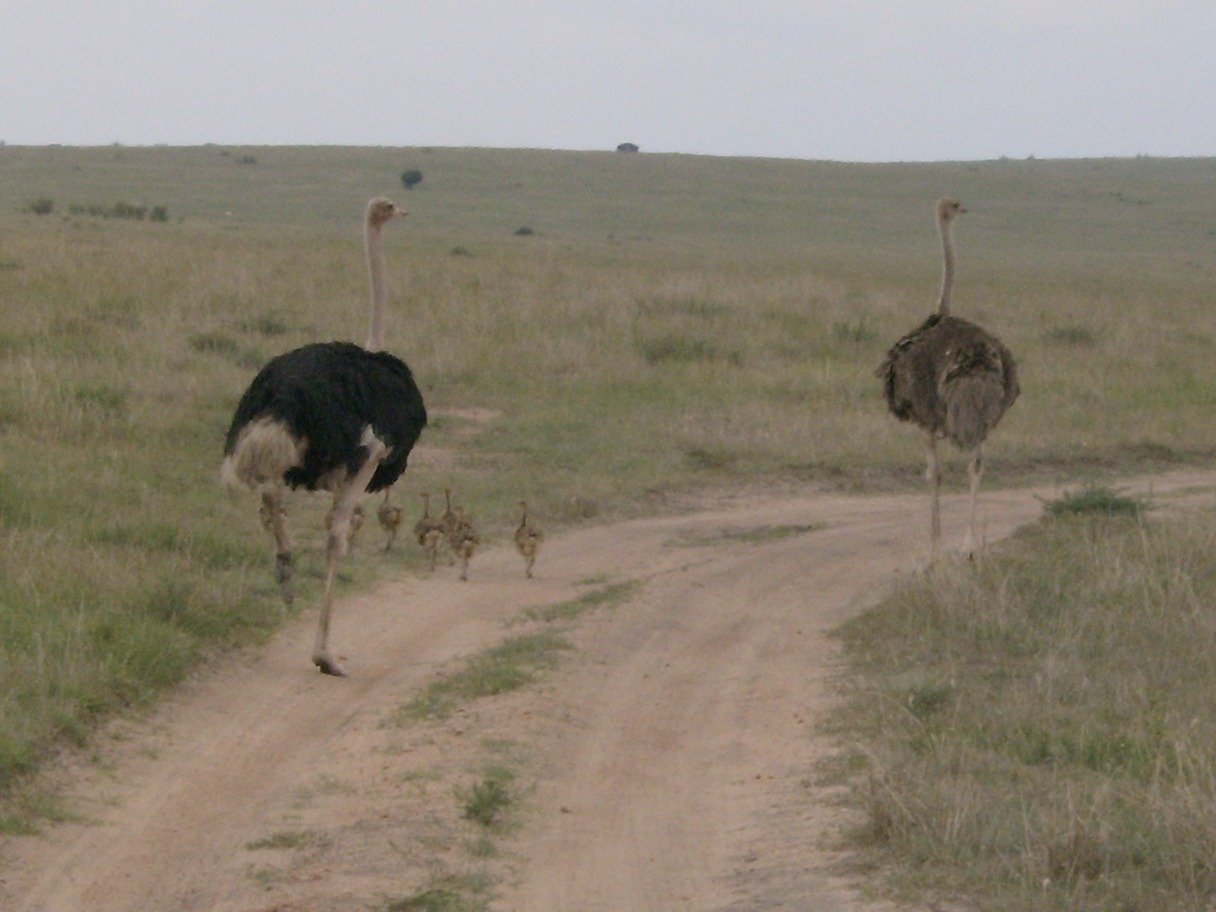
In the Serengeti, we watched wildlife on the wide plains. For me, the Serengeti and the Masai Mara are the best places to visit to see the most wildlife.
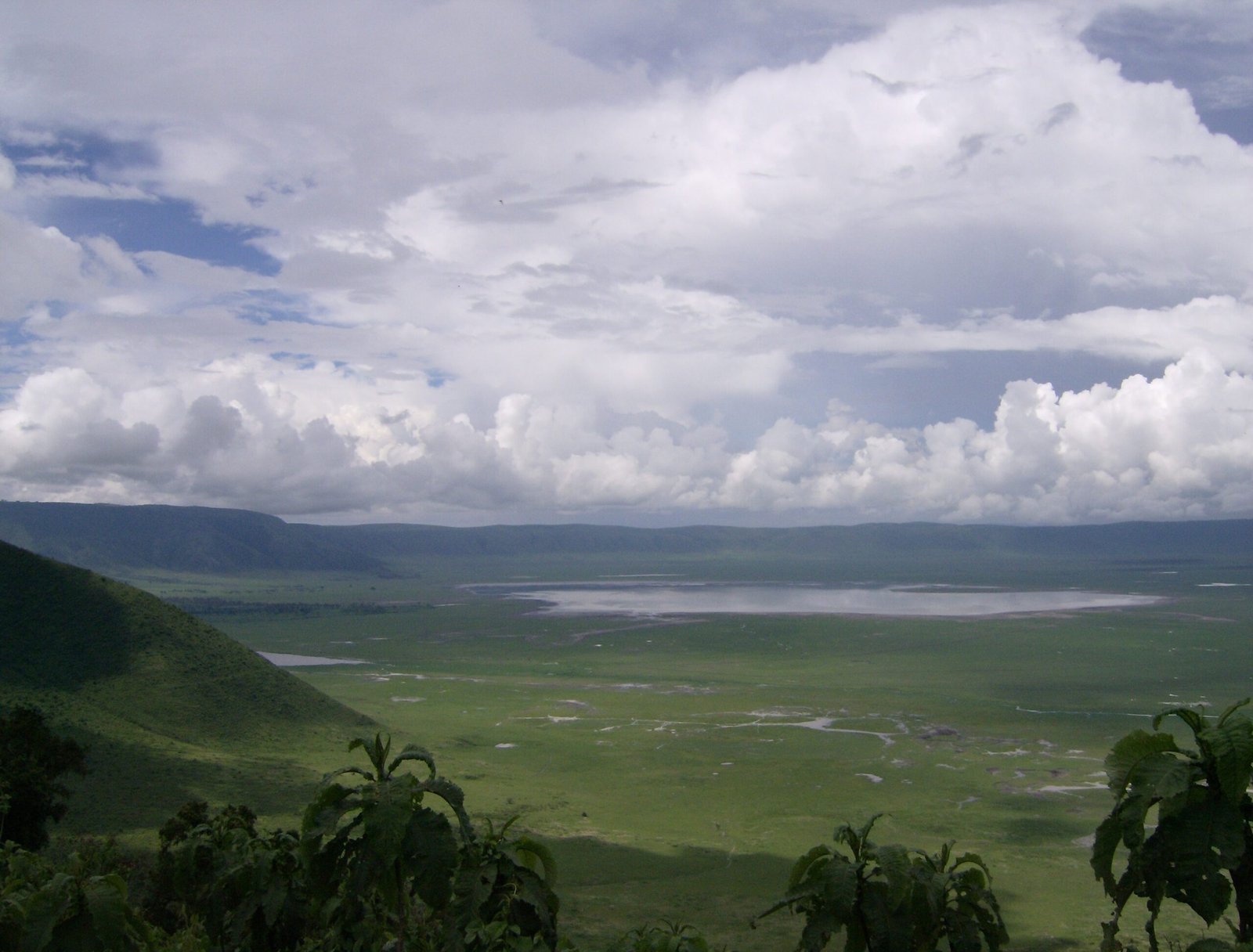
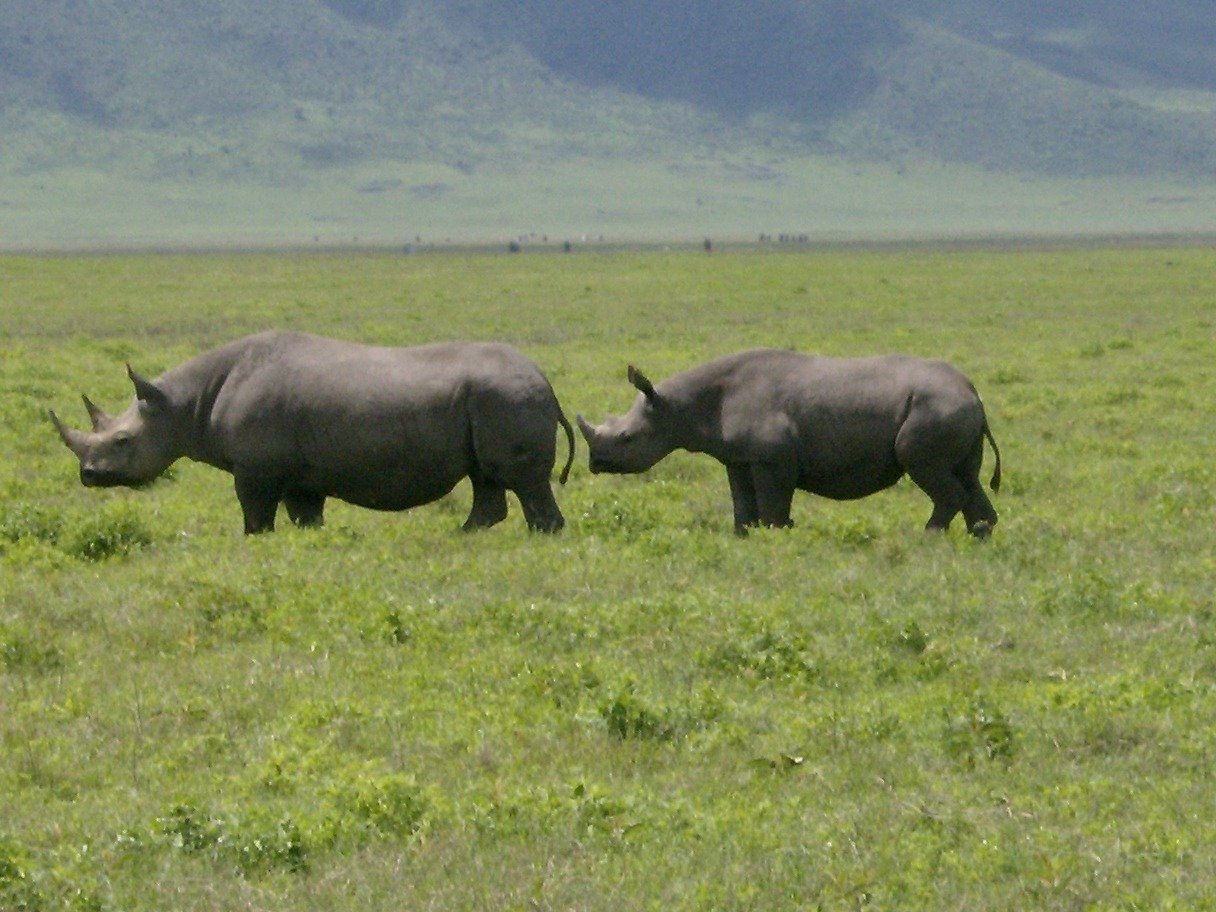
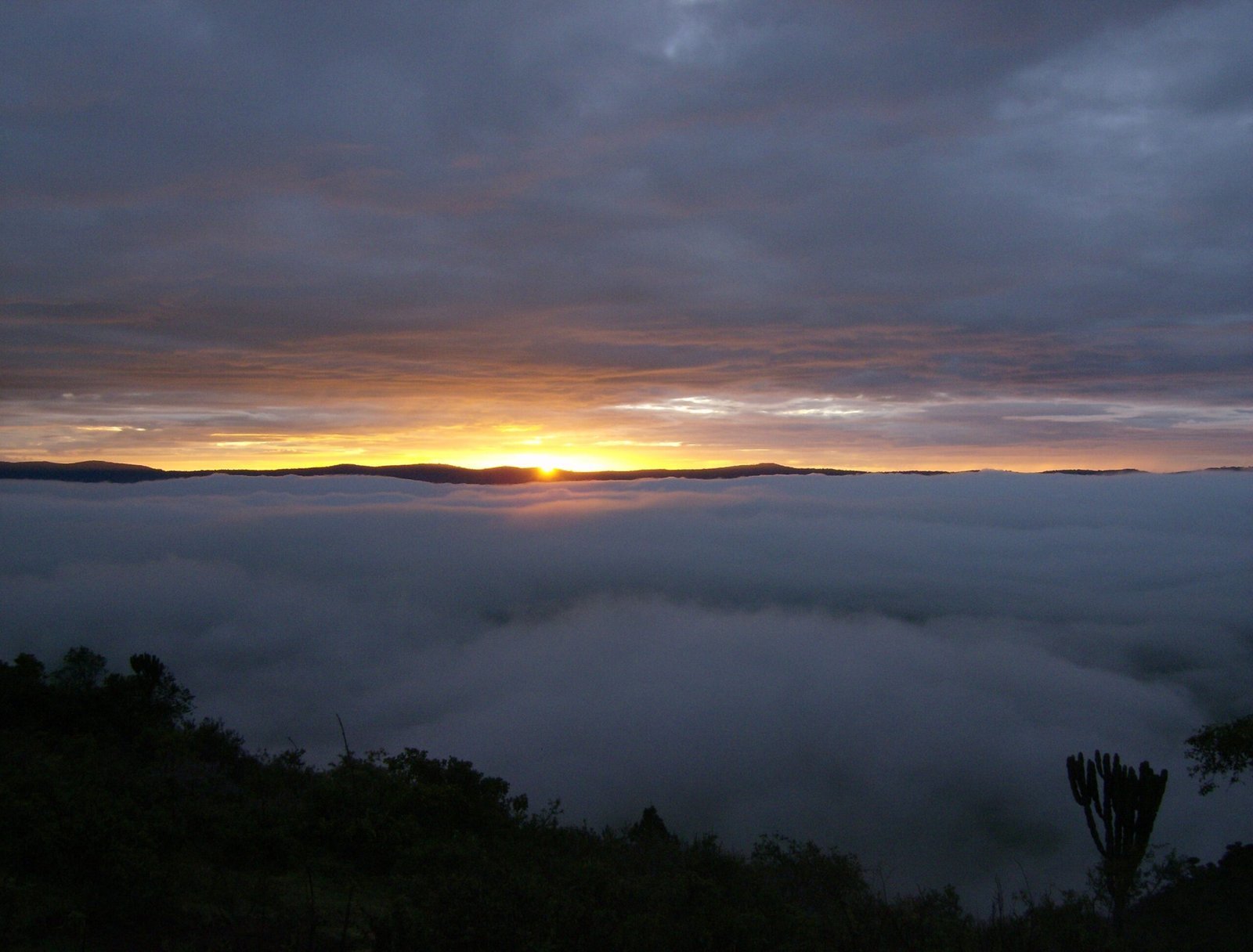
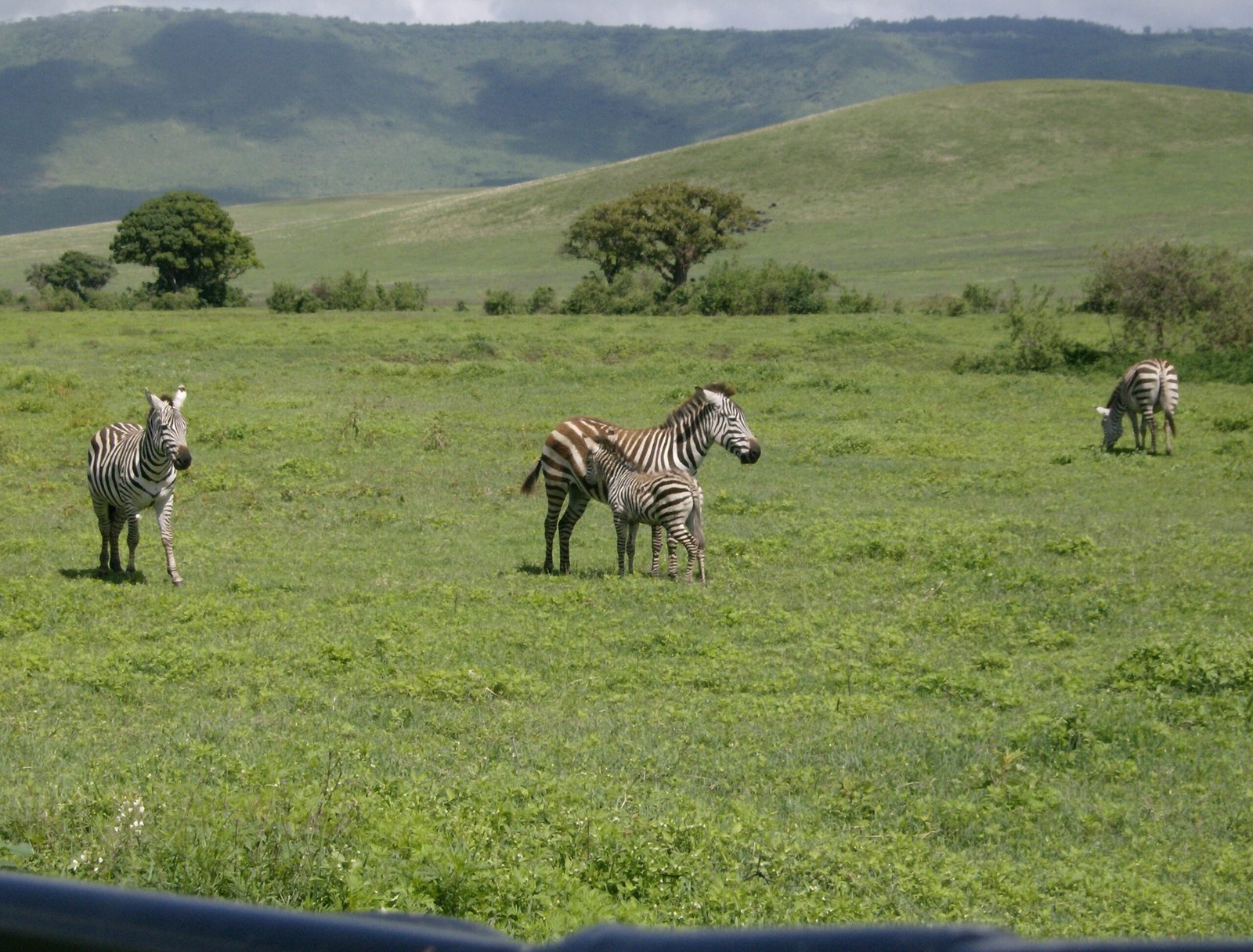
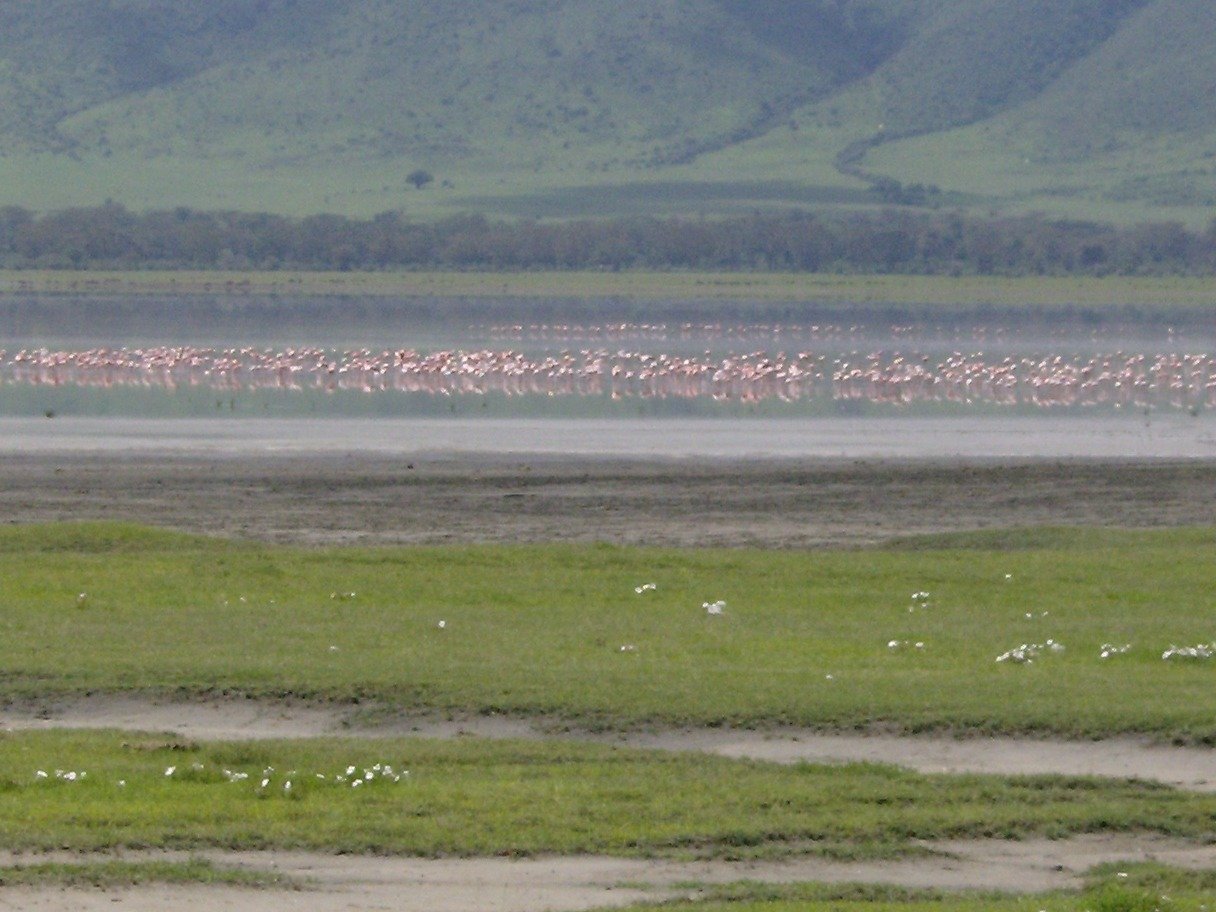
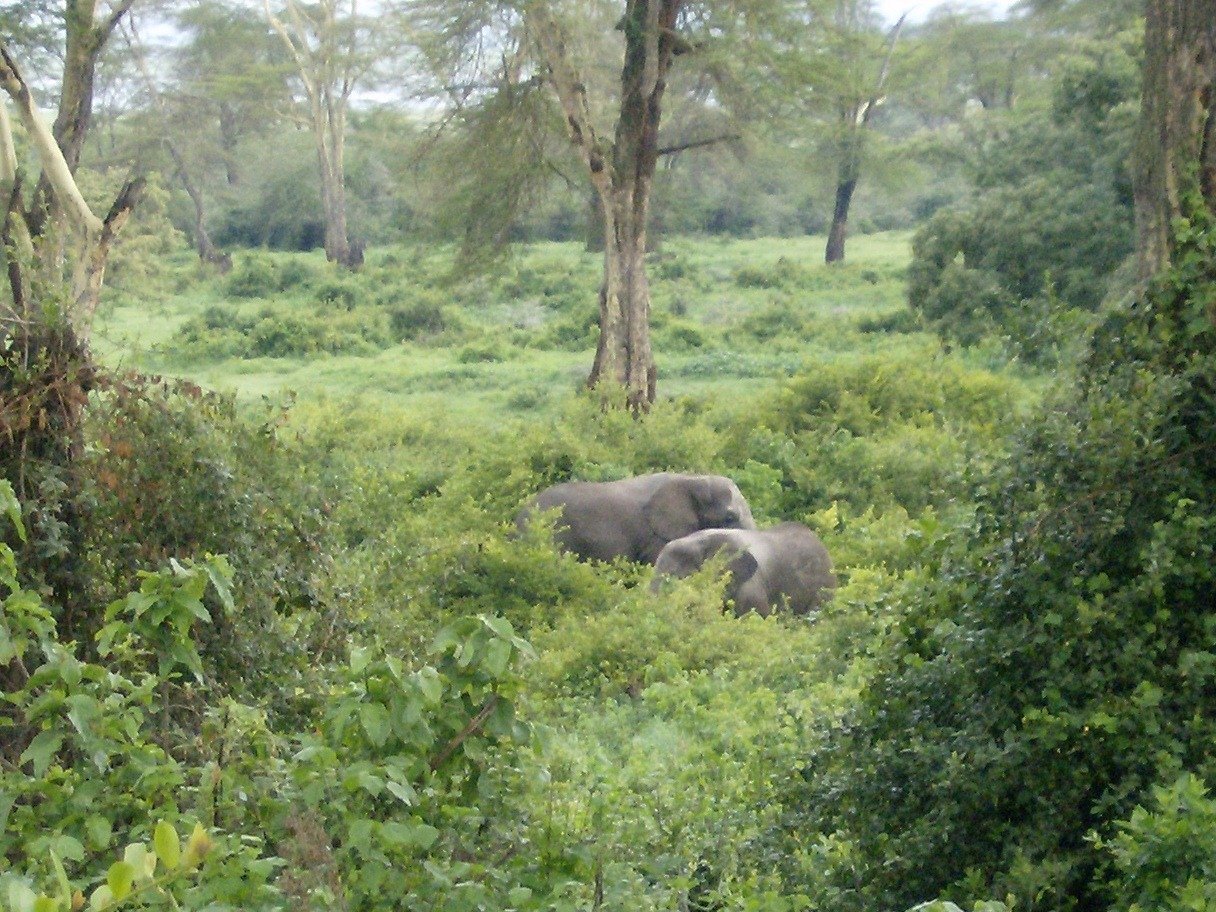
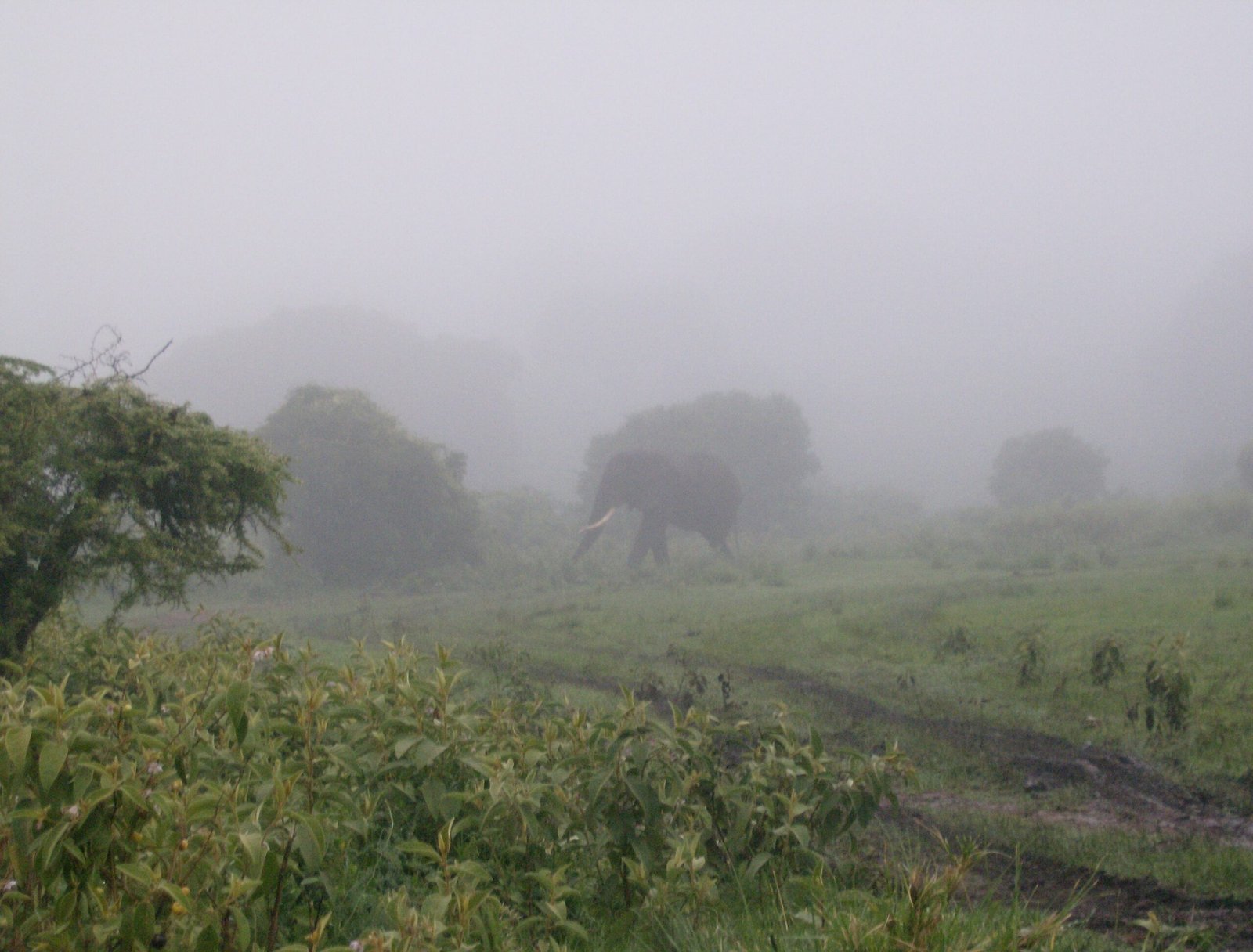
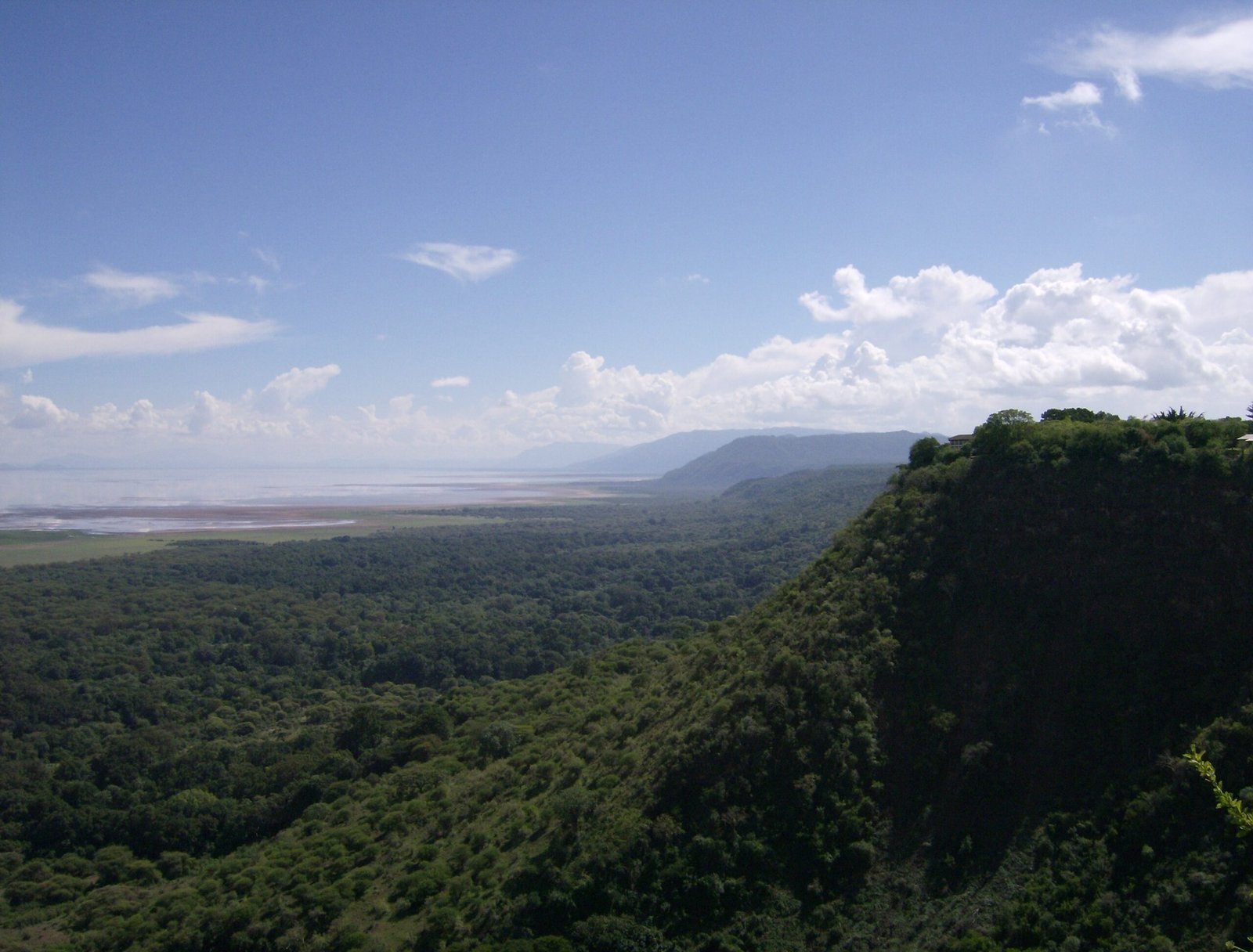
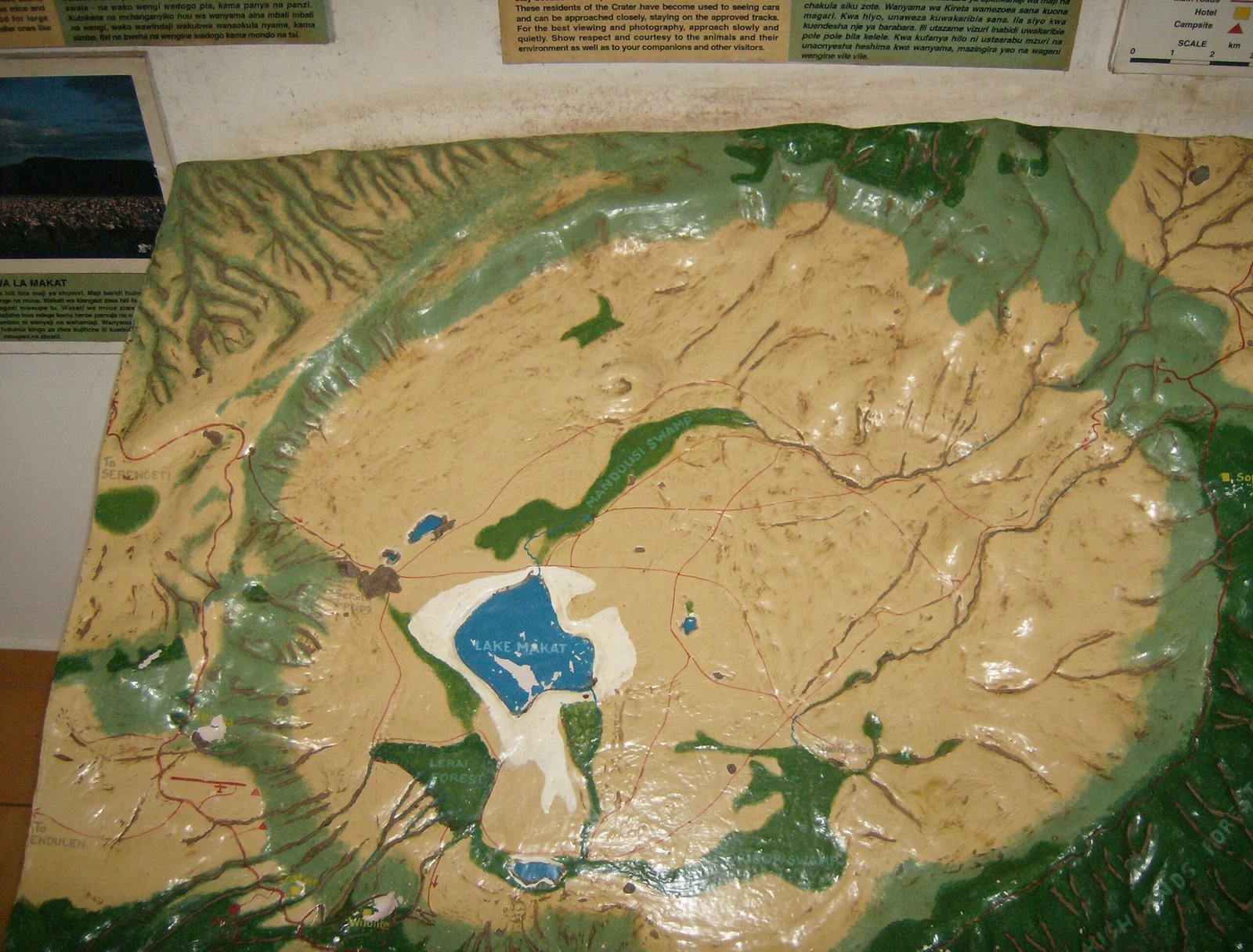
Then the Ngorongoro Crater. From the rim, you look down on a green floor with a lake. Down there: zebras, wildebeest, flamingos, hippos — and black rhinos.
Zanzibar: finally a room of my own
In Zanzibar, we stayed at a hotel just south of Stone Town. After the tents, I finally had a room of my own.
The beach had one problem: sand flies. They were really annoying.
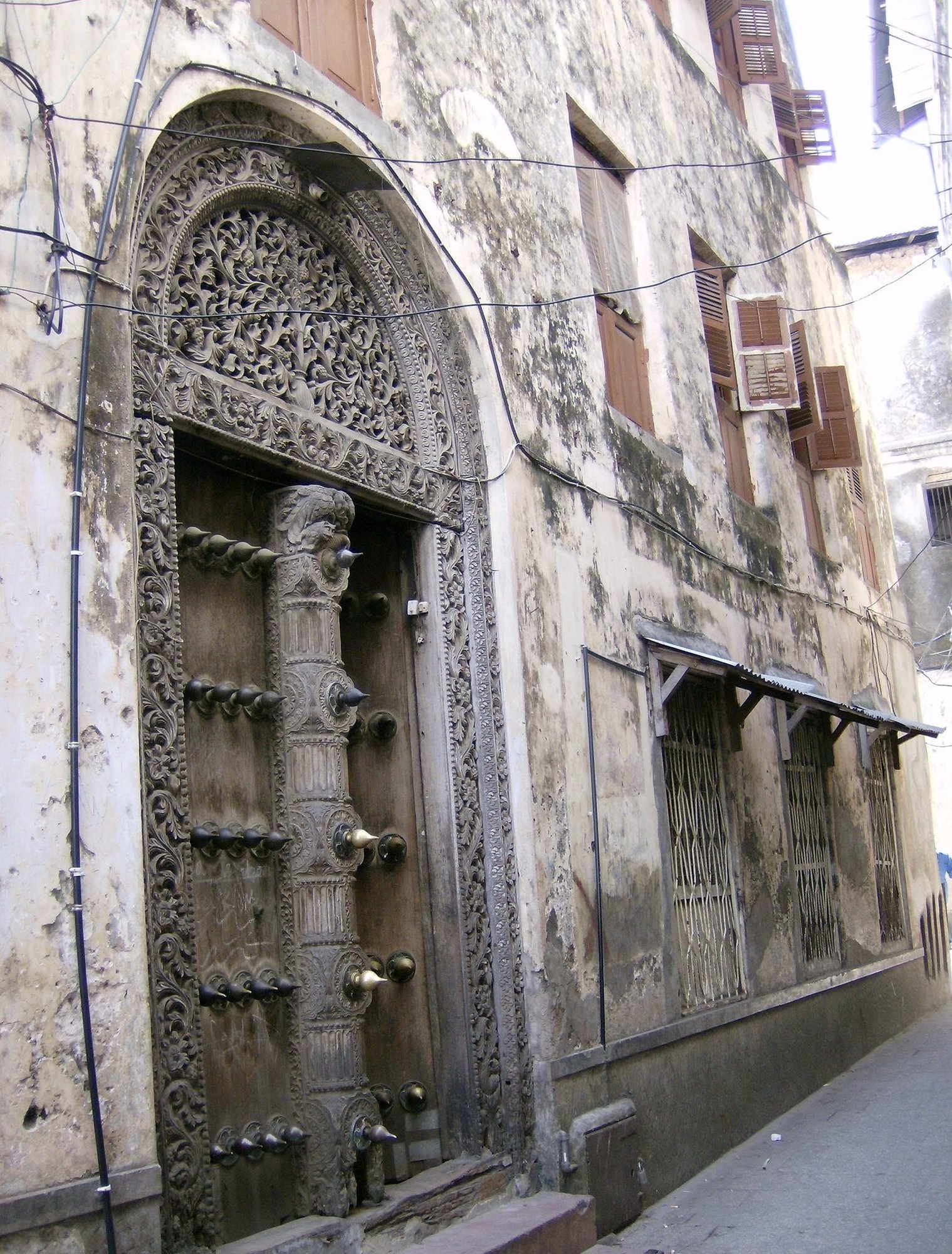
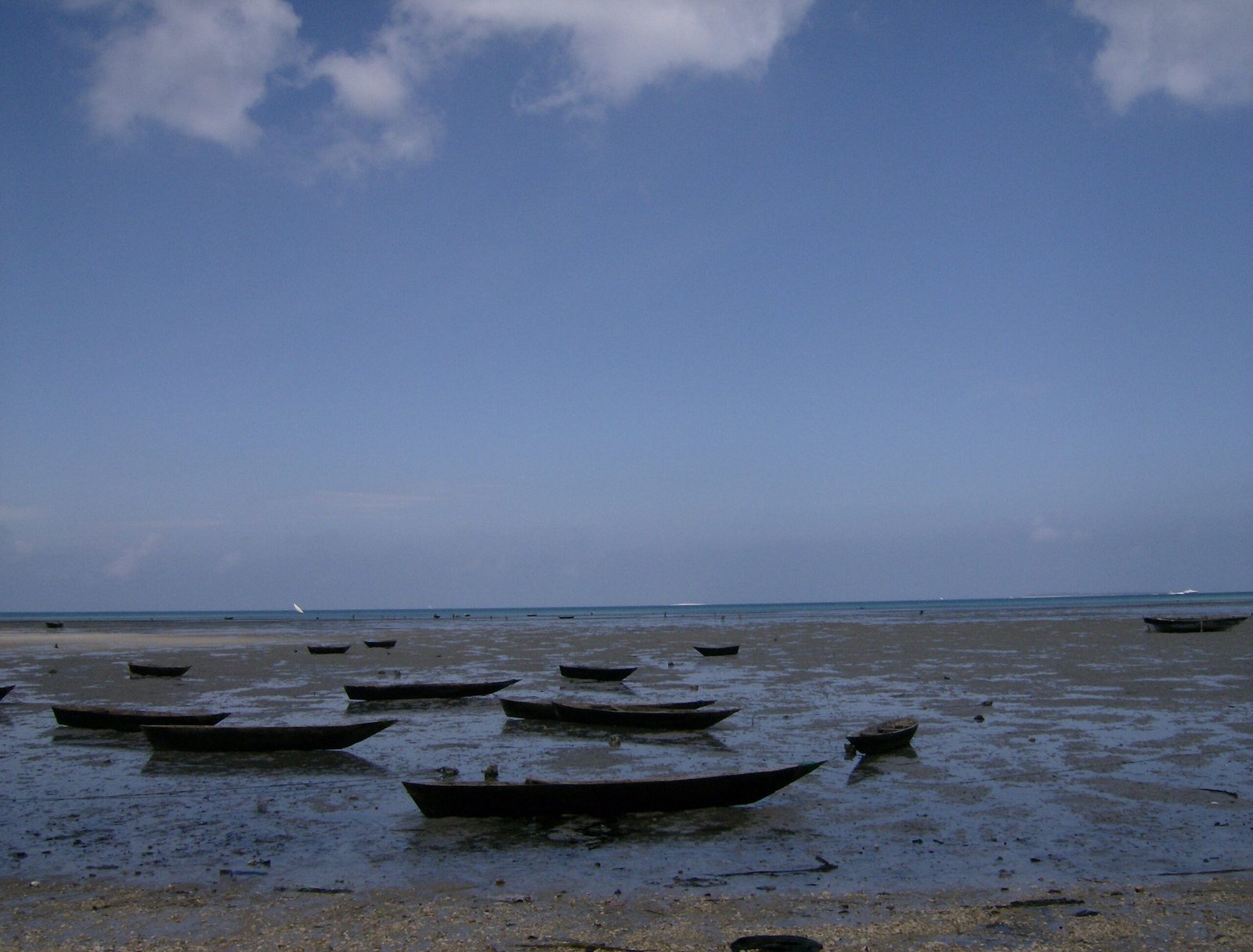
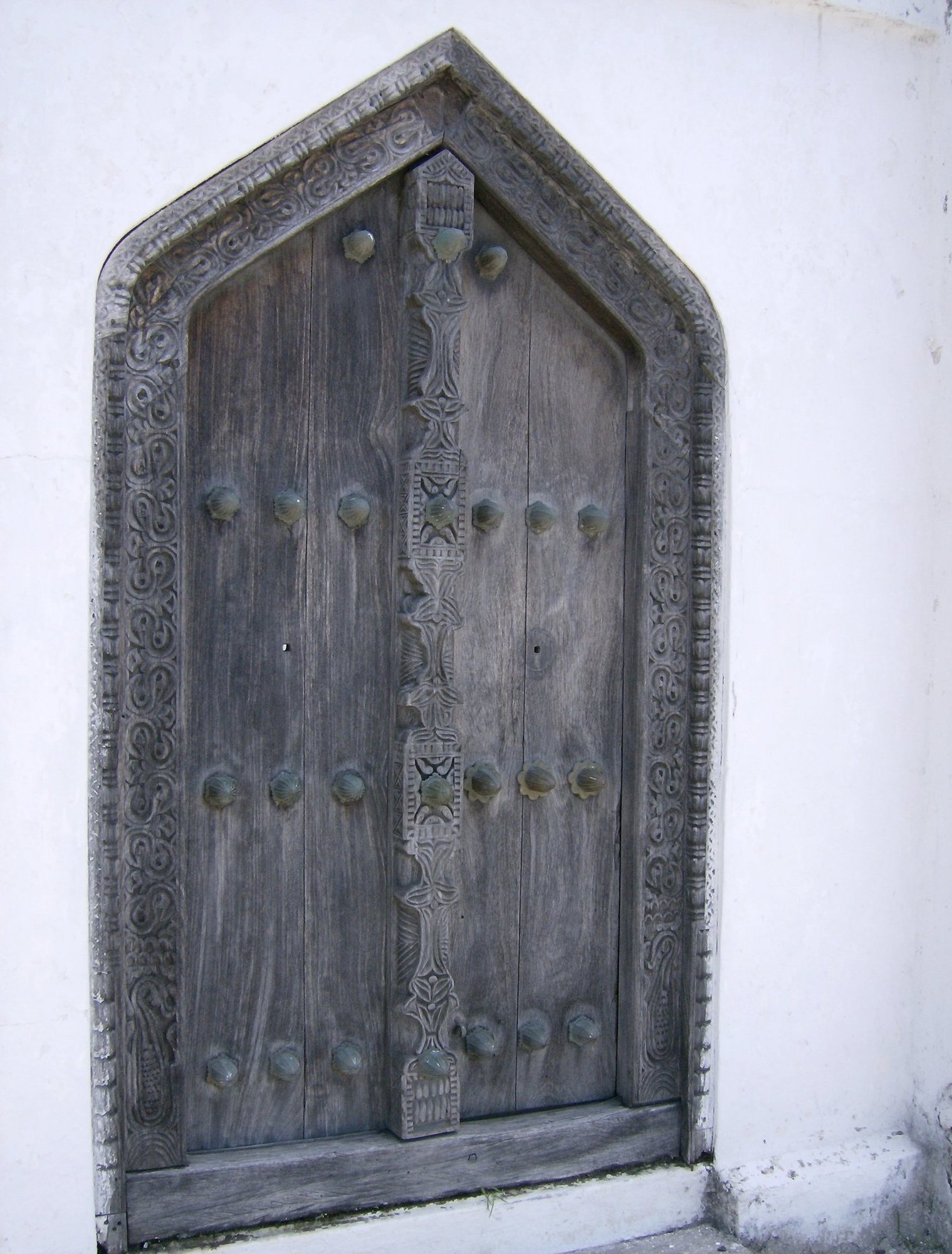
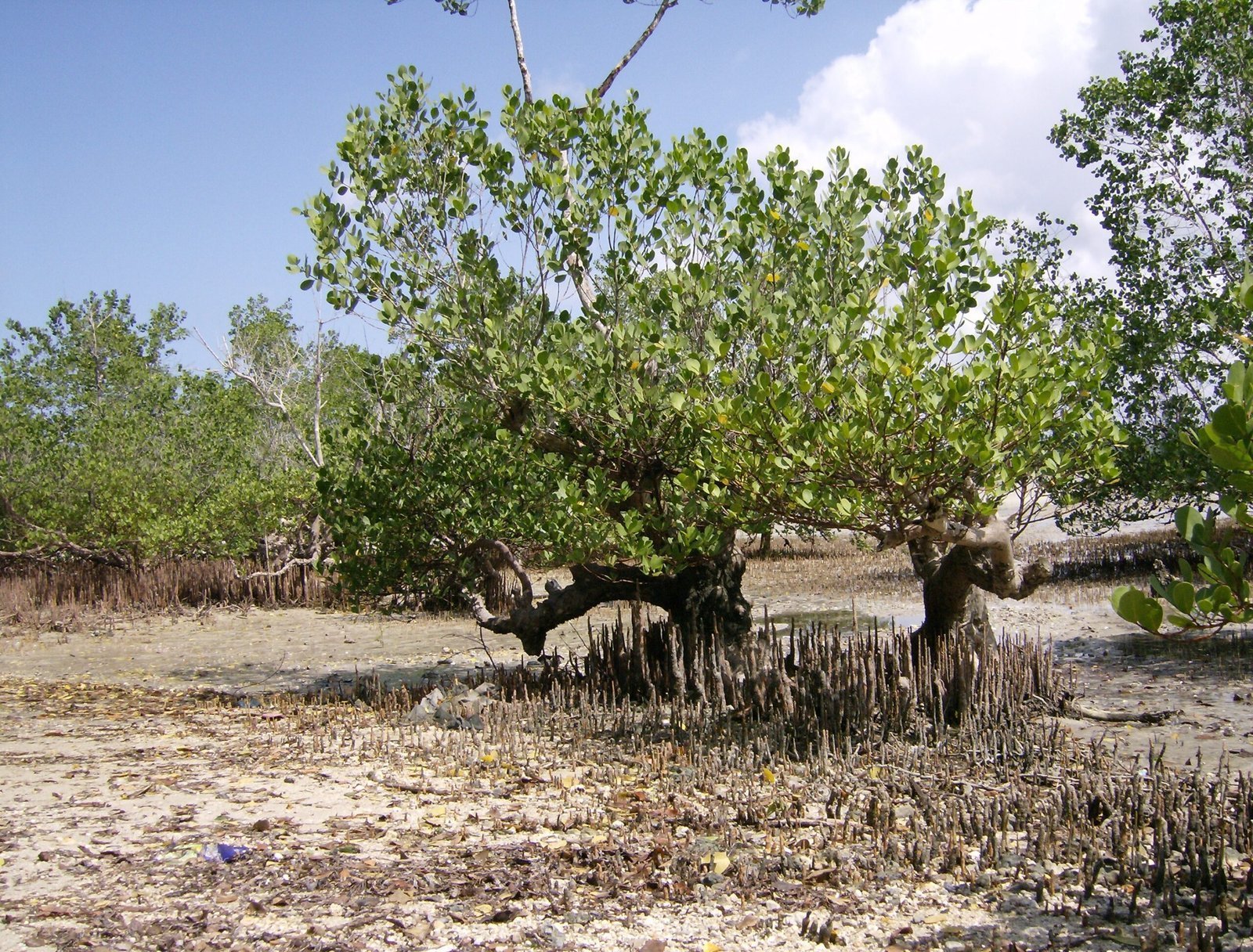
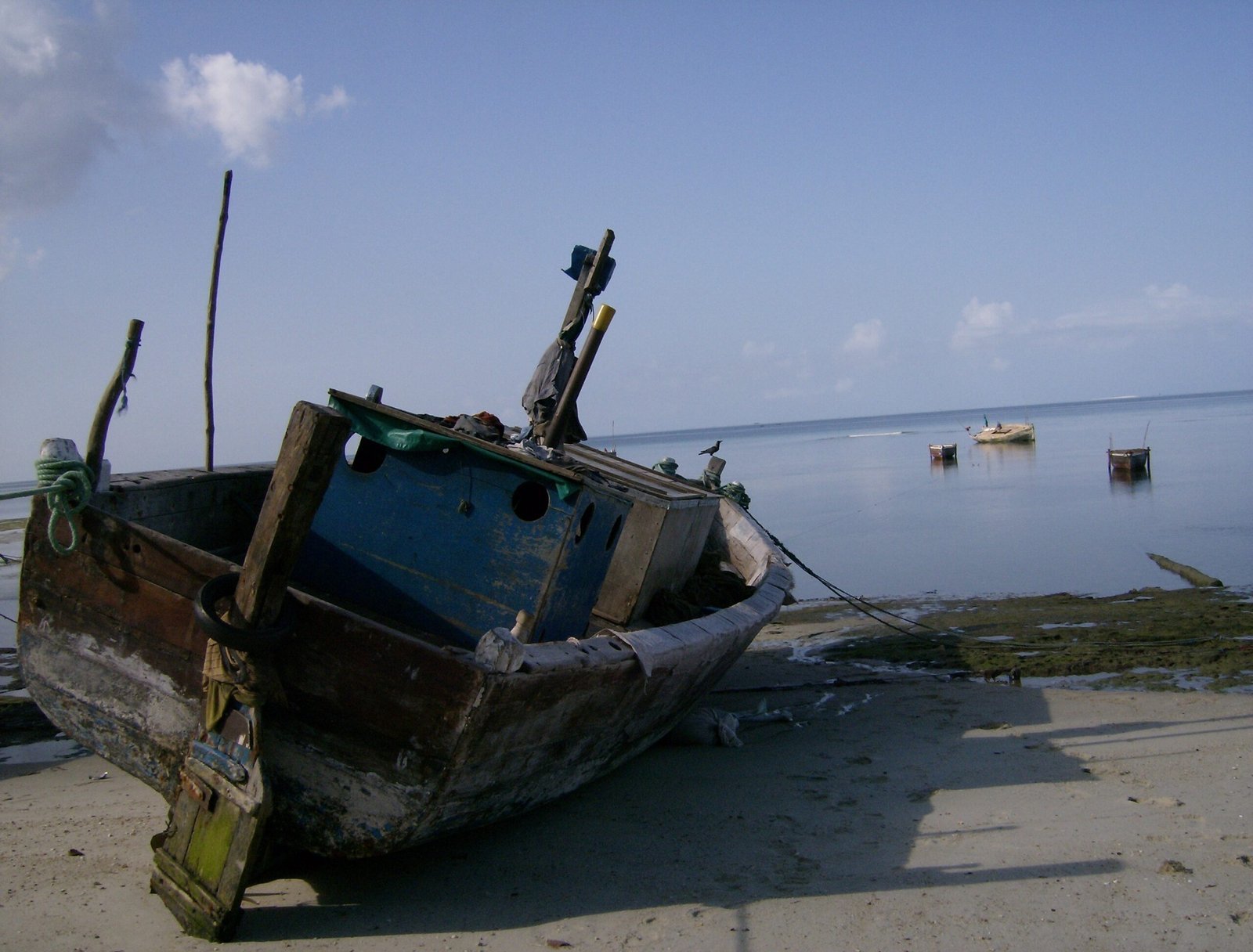
At low tide, the sea pulls far out. Fishing boats lie on the sand, and mangrove trees stand with their roots in the air. In Stone Town, I kept photographing the old carved wooden doors.
New Year’s Eve in Stone Town
We celebrated New Year’s Eve in Stone Town, at a restaurant. Then we danced outdoors, near the ocean, in the moonlight.
The people on the trip
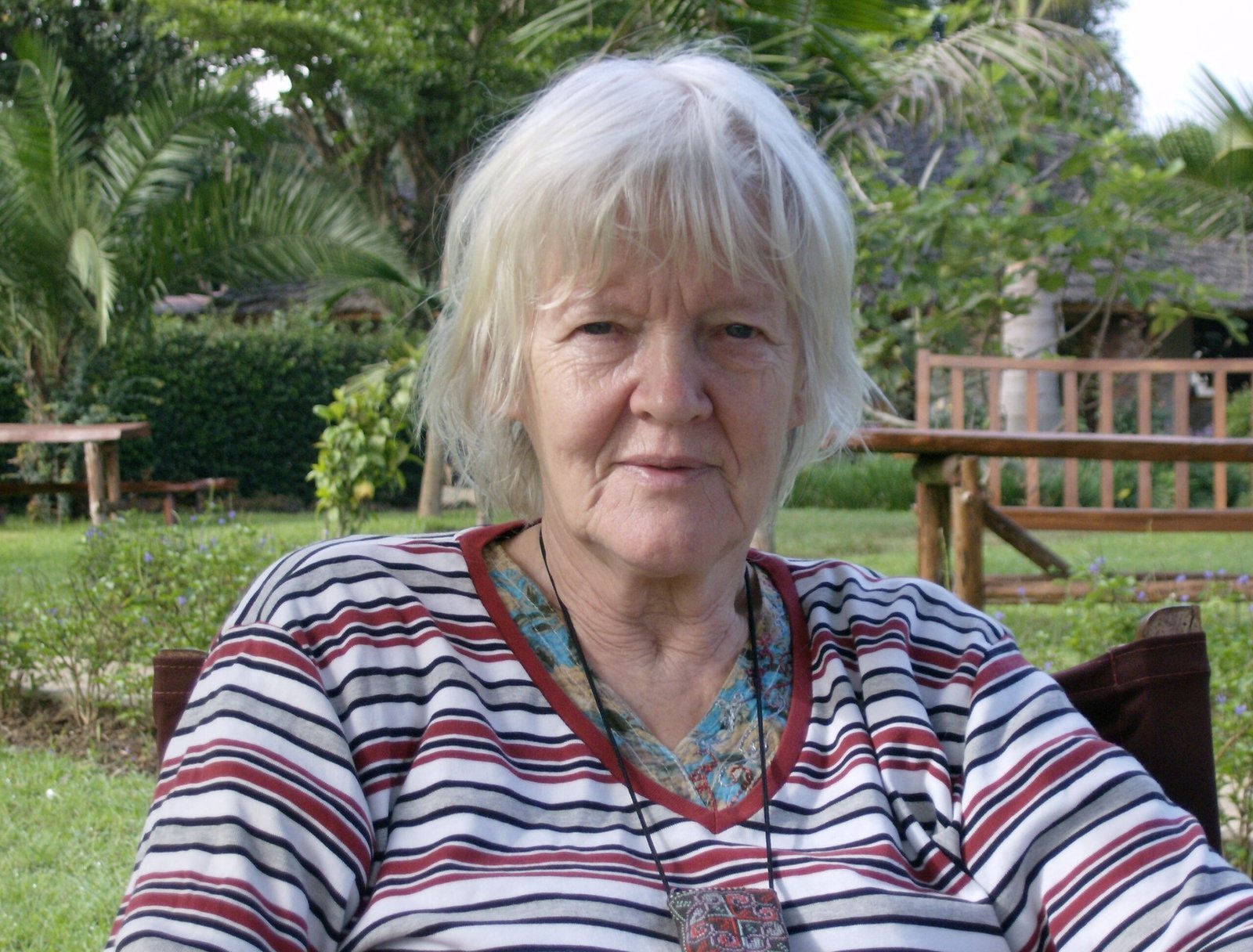
The most interesting traveler I met on this tour was a lady aged 69. I recall that she was from Åland. She had traveled on her own in old age, and many times with Rosa Bussarna. When I left, she was still traveling — she was returning home after two months.
What is my verdict?
Overall, I really enjoyed the trip.
For me, traveling is about new experiences, learning, observing, realizing, having interesting conversations, exchanging ideas and making connections. I love warm weather, street food, fresh fruit, and the gentleness, kindness and openness of people and strangers.
Africa stays in my heart. I will continue to visit and explore other countries there.
Facts about Rosa Bussarna, Kenya, Tanzania and Zanzibar
Rosa Bussarna
- A Swedish travel company for adventure group trips.
- The idea was born in 1969, when founder Anders Eriksson and a friend took a bus to India.
- It has arranged trips for more than 50 years.
- In 1999, SVT aired the docu-soap Karavan, filmed on a Rosa Bussarna trip in Africa.
- Website: Rosa Bussarna’s adventure trips.
Kenya
- Capital: Nairobi. Official languages: English and Swahili.
- The Masai Mara National Reserve lies in the south-west, on the border with Tanzania. It is named after the Maasai people and the Mara River.
Tanzania
- Capital: Dodoma. Largest city: Dar es Salaam. Official languages: Swahili and English.
- Tanzania was formed in 1964, when Tanganyika and Zanzibar united.
- Serengeti National Park and the Ngorongoro Conservation Area are both UNESCO World Heritage Sites. The Ngorongoro Crater is a huge volcanic caldera.
- Every year, the wildebeest migration moves between the Serengeti and the Masai Mara.
Zanzibar
- An archipelago in the Indian Ocean, and a semi-autonomous part of Tanzania.
- Stone Town, the old part of Zanzibar City, is a UNESCO World Heritage Site, known for its carved wooden doors.
- Zanzibar is famous for its spices.
Wildlife tourism and sustainable travel
UNESCO has no list of rules for visitors. But it has a clear view on tourism at World Heritage sites, such as the Serengeti, Ngorongoro and Stone Town:
- In 2012, the World Heritage Committee adopted the UNESCO World Heritage and Sustainable Tourism Programme. Its aim is to help manage and develop sustainable tourism at World Heritage sites.
- UNESCO sees the link between heritage and tourism as two-way. Well-managed tourism can help protect a site. Badly managed tourism is a threat to it.
For natural World Heritage, UNESCO’s advisor is IUCN, the International Union for Conservation of Nature. Its tips for eco-tourists:
- Watch wildlife without disturbing it.
- Learn about the place, its people and its environment before you go.
- Use local tour operators that support conservation, and follow local codes at cultural and sacred sites.
- Choose accommodation with real environmental policies.
- Eat seasonal, local food.
- Buy no souvenirs made from endangered species.
Sources: UNESCO World Heritage and Sustainable Tourism Programme and IUCN’s top ten tips for eco-tourists.
I also wrote about the animals in my Medium story about wildlife in Kenya and Tanzania.
More photos
Masai Mara
Ngorongoro
On the road
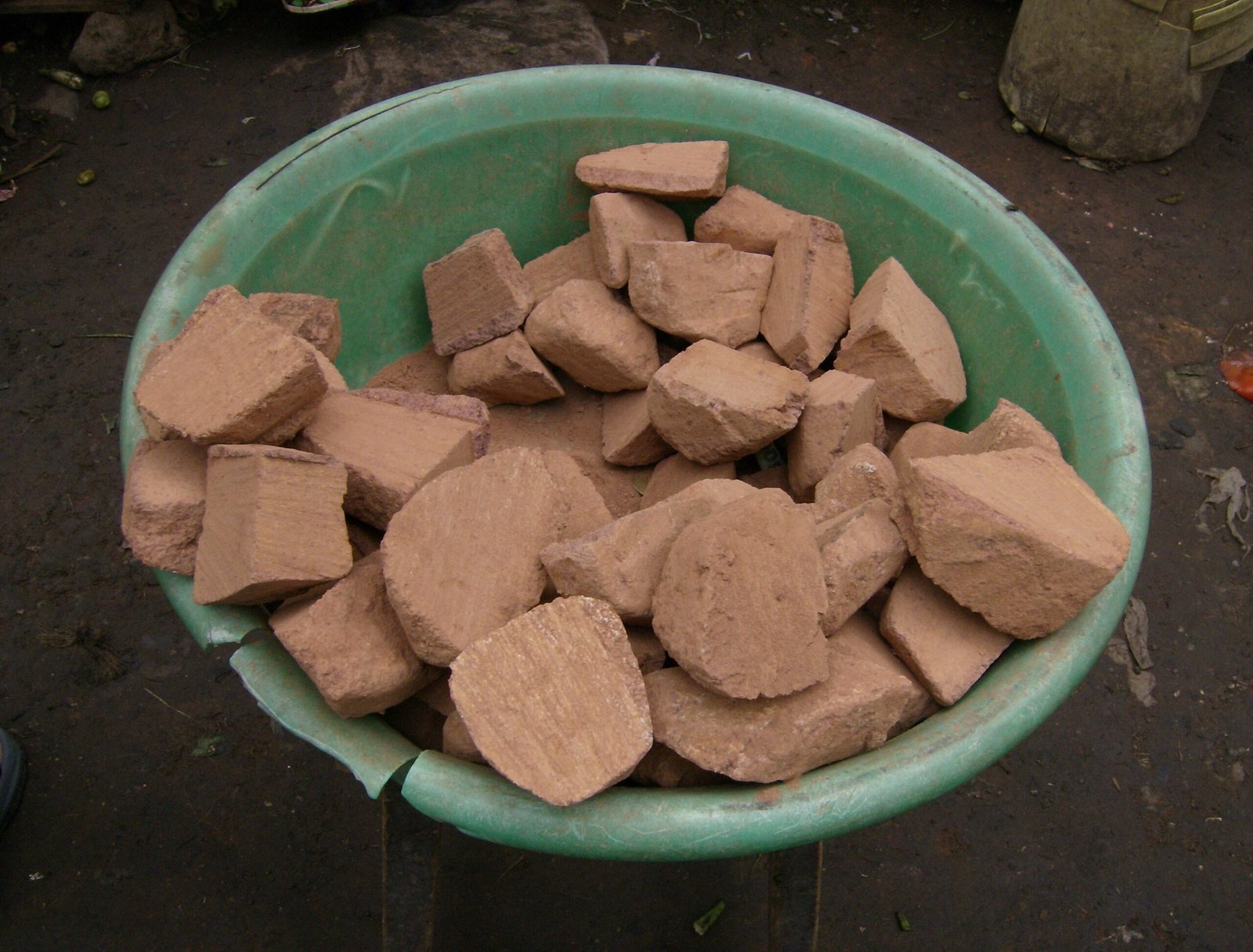
Zanzibar and Stone Town
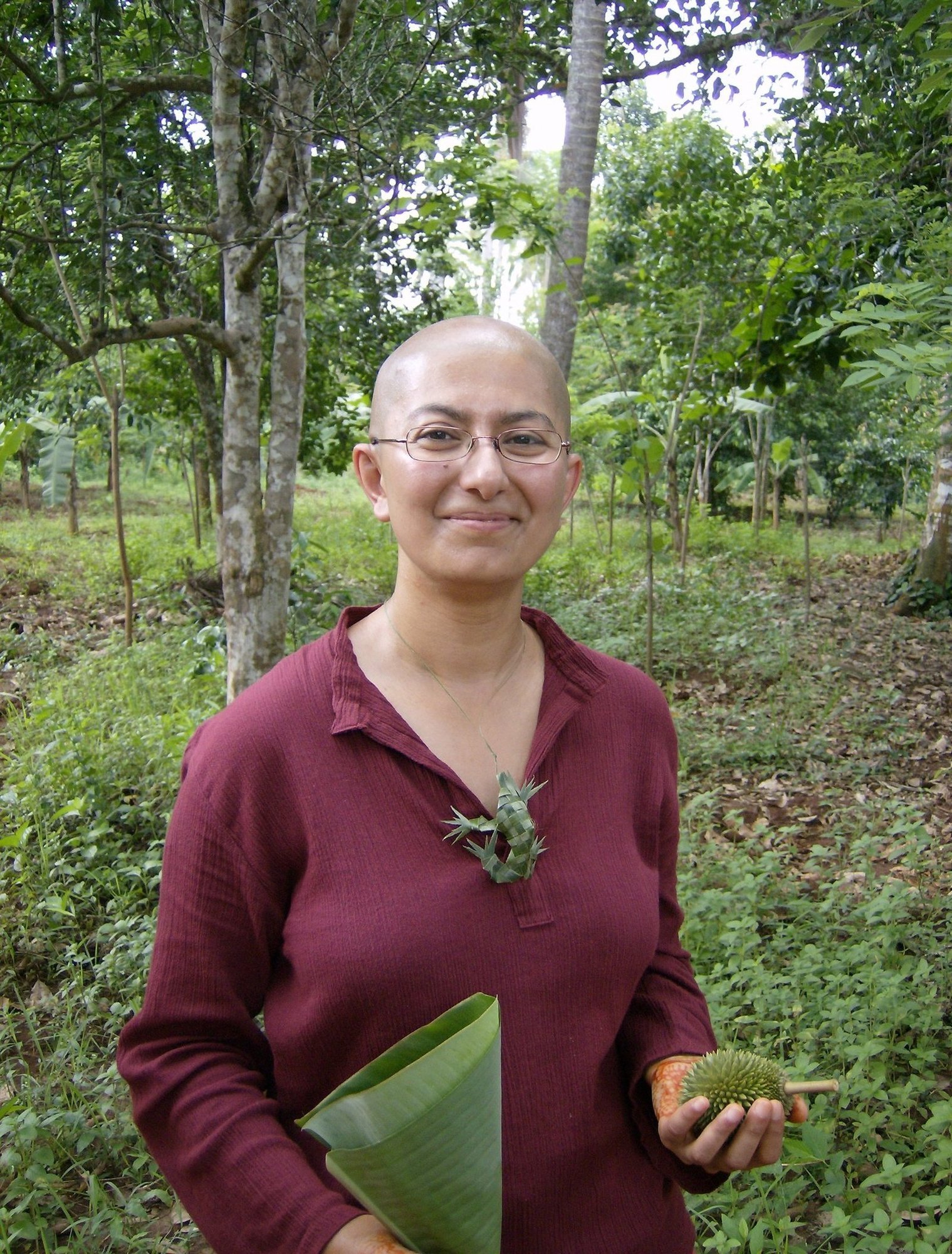


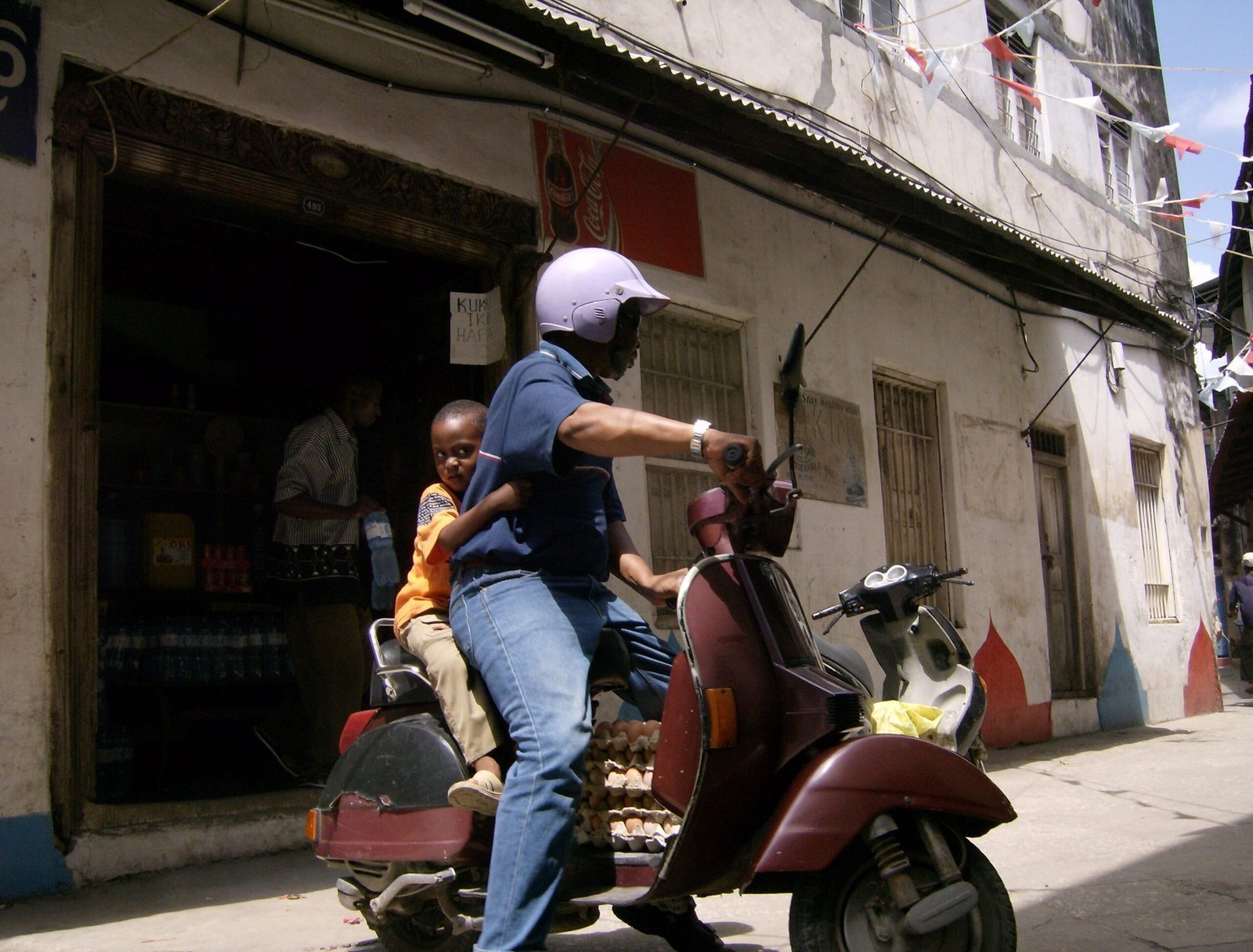
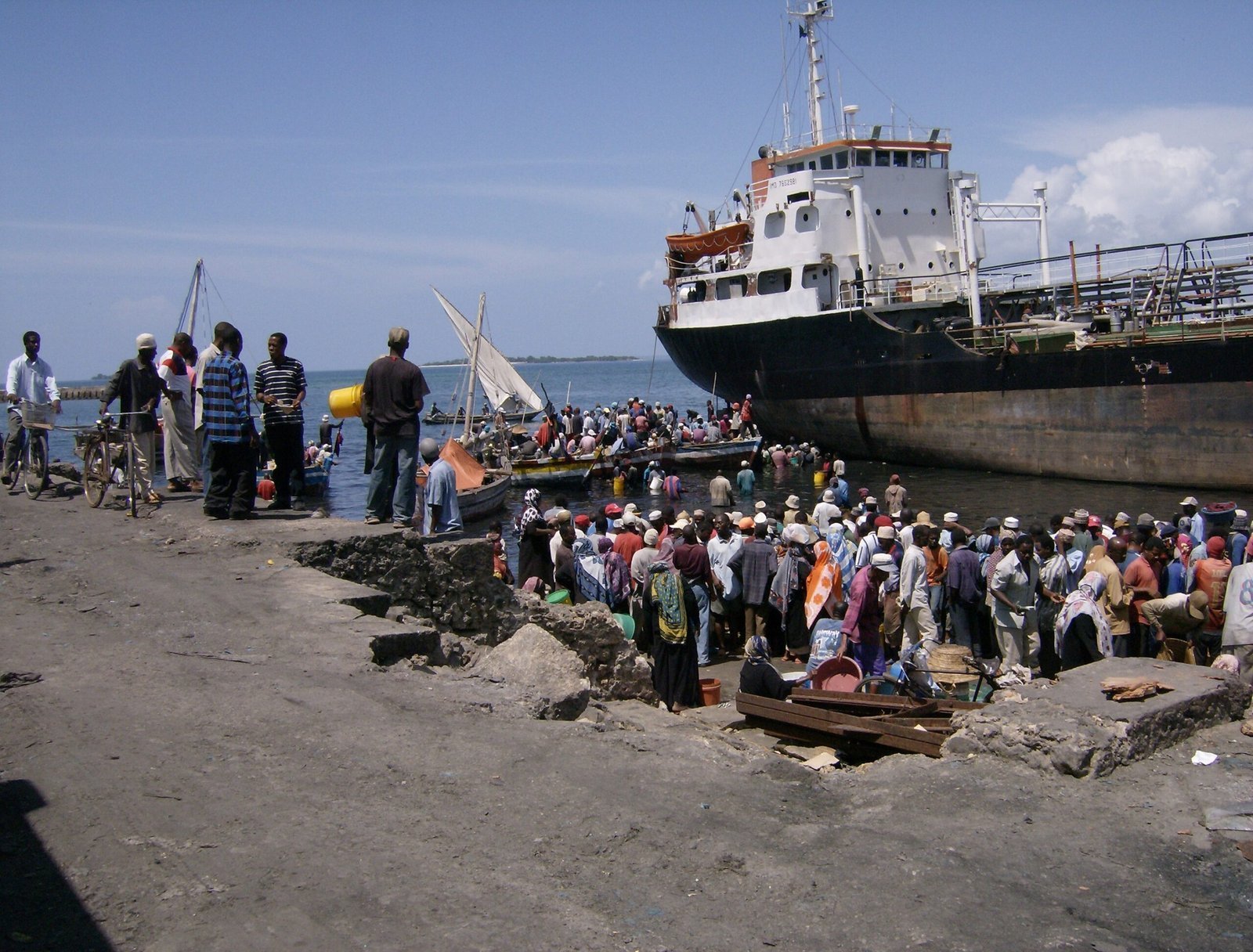
Photos and videos by Zayera Khan, except those marked as private photos. Zayera Khan is the photographer and copyright owner of her photos and videos.