
Naturhistoriska Riksmuseet
Sweden’s largest natural history museum, in Frescati
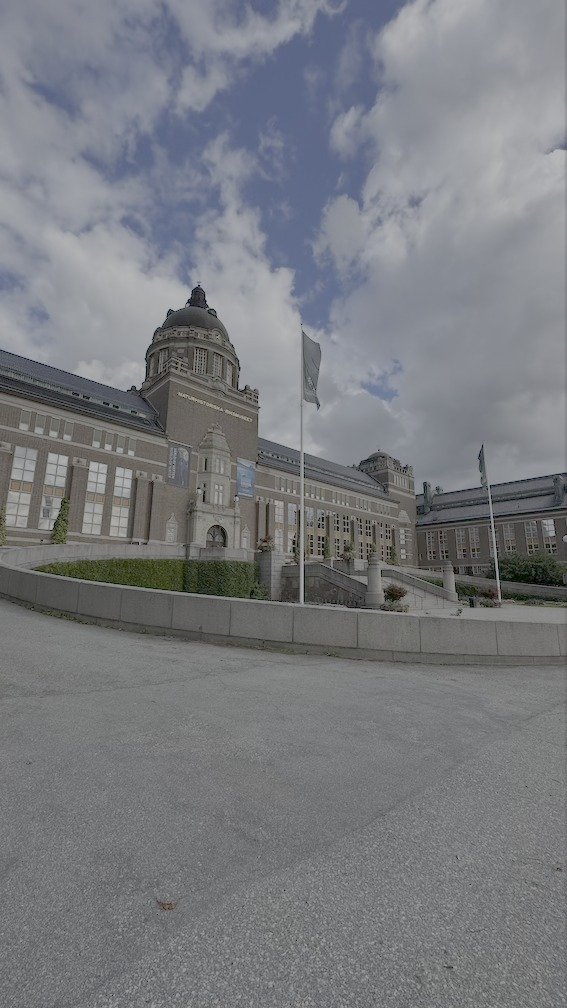
- Why visitYou walk through 300 years of natural history in one building, from dinosaur fossils to a full-dome space cinema.
- Best forFamilies, school groups, and anyone curious about nature, evolution, and space.
- AddressFrescativägen 40, 114 18 Stockholm
- Opening hoursTue–Sun 10:00–17:00. Closed Monday.
- AdmissionAdults: 170 SEK for the exhibitions, 160 SEK for Cosmonova, 260 SEK combined. Children and youth (2–18): free entry to the exhibitions. Students: 120 SEK.
- Getting thereEasiest by metro to Universitetet station, a short walk from the door. Roslagsbanan train stops there too, the same stop as Bergianska Trädgården next door. Car parking is available nearby, also within walking distance, and taxis can stop right outside the museum.
- Busiest timeWeekdays 10:00–11:00, when school classes arrive in booked groups. Visit later in the day, or on a weekend, for a quieter walk through the halls.
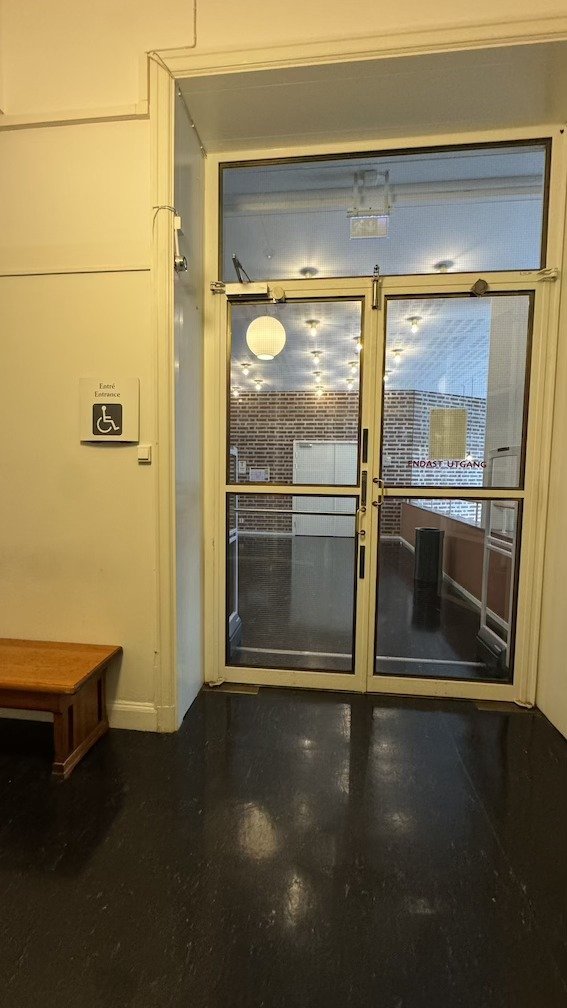
- AccessibilityStep-free entrance, marked with an accessible-entrance sign at the main doors. Elevators are available between floors, and toilets are on every floor.
- FacilitiesBistro Naturhistoriska, open every day, plus picnic rooms and a museum shop. A big kitchen is available for families and children who bring their own food. Lockers are provided for luggage, and there is space for 1–3 child buggies or strollers.
- Guided toursTours and talks run on weekends and school holidays. Audio guides are available.
- Official websitenrm.se
About the museum
Naturhistoriska Riksmuseet, the Swedish Museum of Natural History, is the largest museum building in Sweden, standing in Frescati on Norra Djurgården, next to Stockholm University and Bergianska Trädgården. Its collections go back to the Royal Swedish Academy of Sciences, founded in 1739, and were first opened to the public in 1786. Early keepers of the collection included Anders Sparrman, a student of Carl Linnaeus who sailed with Captain James Cook, and the zoologist Sven Nilsson, who brought order to the museum’s animal collections between 1828 and 1831. The museum itself was formally founded in 1819, and became an independent authority, separate from the Academy, in 1965.
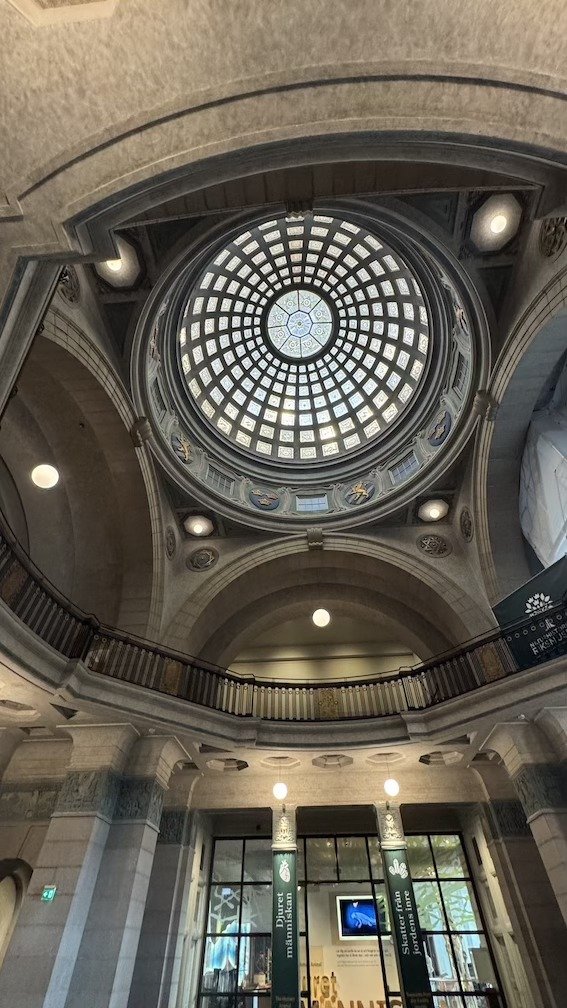
The building visitors walk into today was designed by architect Axel Anderberg and completed in 1916, topped with the dome that still marks the museum from a distance. Under that dome sits the rotunda, a tall, light-filled hall ringed with balconies.
Cosmonova opened in 1992, and it is still Sweden’s only IMAX dome cinema with digital laser projection, as well as the country’s largest planetarium. The screen itself is a dome, 23 metres across and built from perforated aluminium, wrapping 760 square metres of image and sound around the audience. IMAX laser projection gives a sharper, brighter picture than a standard screen, with deeper contrast and a wider range of colour, and a patented sound system keeps the audio clear and evenly balanced no matter where you sit. All 262 seats recline at a different angle depending on where they are in the room, so the view stays good throughout the theatre. The films cover nature, space, and the oceans, and the dome format is built to make the audience feel like part of the scene, not just watching it from a distance. Since it opened, Cosmonova has welcomed more than 10 million visitors.
Photo gallery
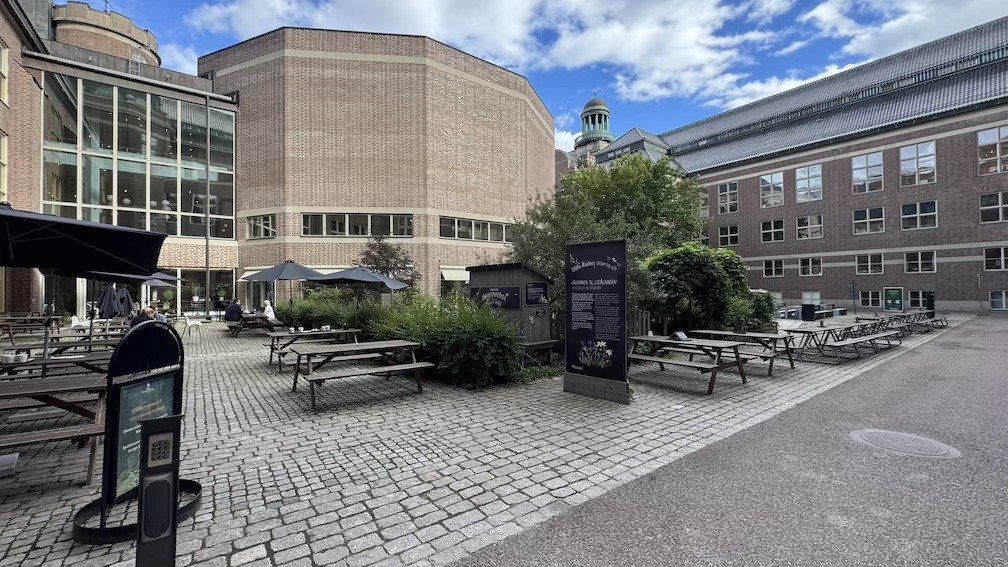
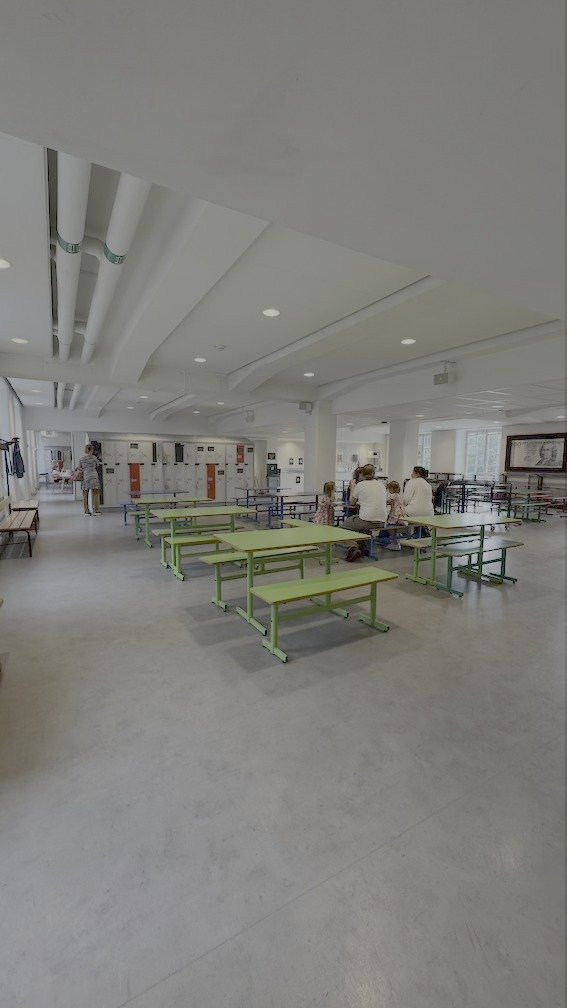
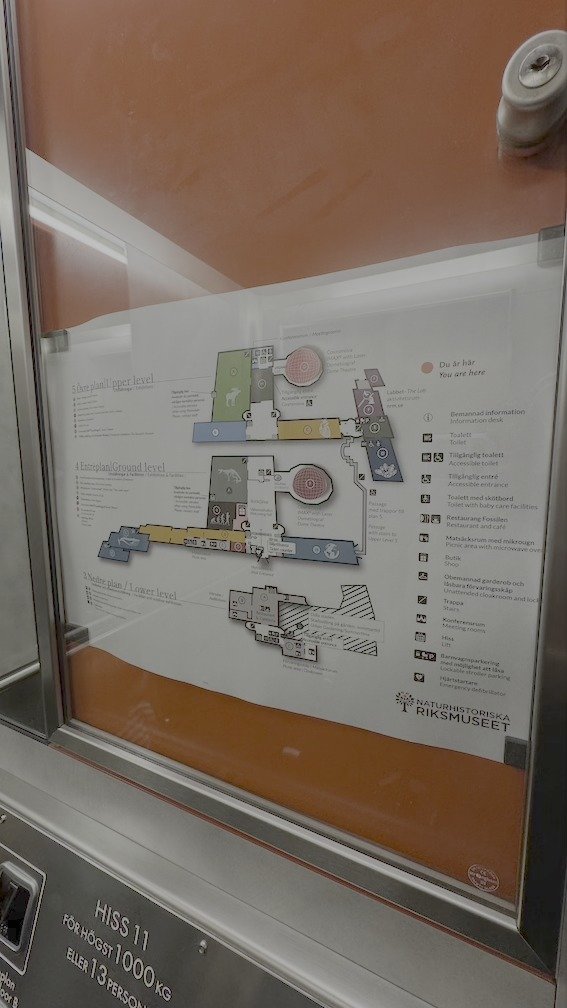
All photographs on this page were taken by Zayera Khan during a visit to the museum, and are her own property. Please do not reuse them without permission.
Inside the museum
What to see
- The Human Journey – a walk through roughly 7 million years of human evolution.
- The Human Animal – a look at what humans share with, and don’t share with, other animals.
- Fossils and Evolution – how animals and plants have appeared, changed, and disappeared through deep time.
- Diversity of Life – several rooms of natural history collections, some dating back to the 18th century.
- Swedish Nature – the different landscapes and ecosystems found across Sweden.
- Polar Regions – an expedition-style exhibition exploring the Arctic and Antarctic.
- Cosmonova – the museum’s IMAX dome cinema and planetarium: a 23-metre dome screen, laser projection, and reclining seats built to give everyone a good view, showing films on nature, space, and the oceans.
Part of a wider campus
The museum shares its corner of Frescati with Stockholm University and with Bergianska Trädgården next door, so a visit here pairs easily with an afternoon in the botanical garden or a walk along Brunnsviken.
Today
More than two centuries after its collections first opened to the public, Naturhistoriska Riksmuseet remains Sweden’s largest natural history museum, still adding new exhibitions and still drawing visitors under the same dome that Axel Anderberg built in 1916.