
Bonniers Konsthall
Contemporary art behind a long glass front in Vasastan
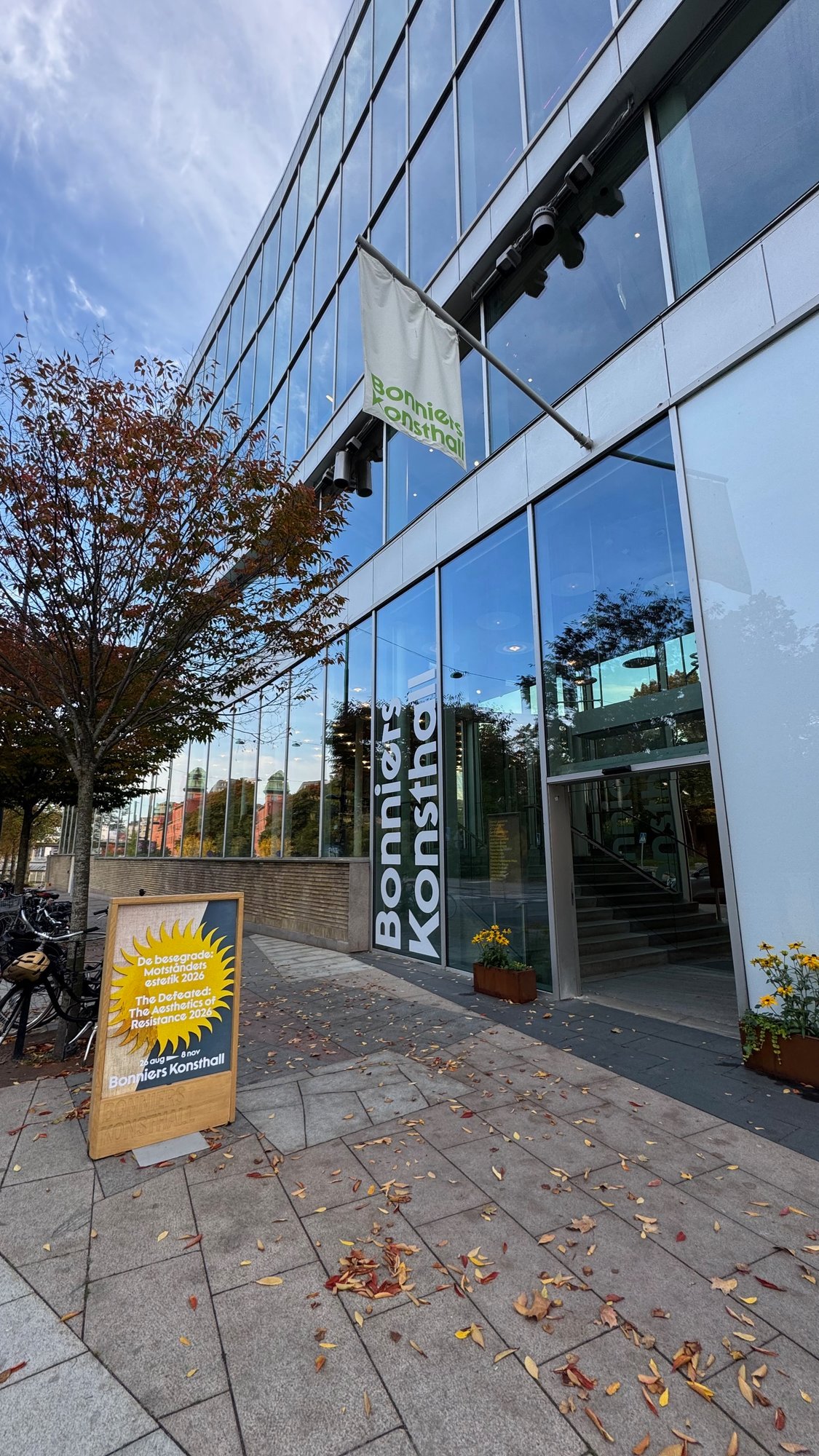
- Why visitYou see changing contemporary art in a glass building with a wedge-shaped plan, then sit down in a long wooden café hall.
- Best forVisitors who want a quiet contemporary art stop in Vasastan, and anyone who wants free entry on a Friday.
- AddressTorsgatan 19, 113 21 Stockholm
- Opening hoursClosed Monday and Tuesday. Wednesday 12:00–20:00. Thursday to Sunday 12:00–18:00.
- Admission130 SEK, students and seniors 100 SEK. Free for members, visitors under 26, job seekers, and for everyone on Fridays.
- Guided toursShort 15-minute tours run Wednesday to Sunday at set times. On Sundays at 14:00 there is a one-hour tour. Tours are included with admission and need no booking. The museum lists them in Swedish, so check with the museum if you want a tour in English.
- FacilitiesCafé, shop, library and cloakroom. A kids’ corner is on the lower floor.
- AccessibilityA lift and stairs lead to every floor. The main exhibition spaces have no thresholds. A toilet for disabled visitors is on floor 1. A ramp leads to the library. The museum has no hearing loops.
- Getting thereMetro to S:t Eriksplan (green line), then a short walk. Odenplan is about 10 minutes on foot. For buses and other routes, check SL.
- ParkingA special parking permit for disabled drivers works at Torsgatan 19, Torsgatan 28 and Torsgränd 9.
- Official websitebonnierskonsthall.se
About the museum
Bonniers Konsthall opened in 2006 at Torsgatan 19 in Vasastan. Jeanette Bonnier (1934–2016) founded it and led its board until 2016. After her death, a foundation in her name was set up to support the museum.
The museum shows Swedish and international contemporary art. It gives room to young and emerging artists next to established names, in both solo and group exhibitions.
The building
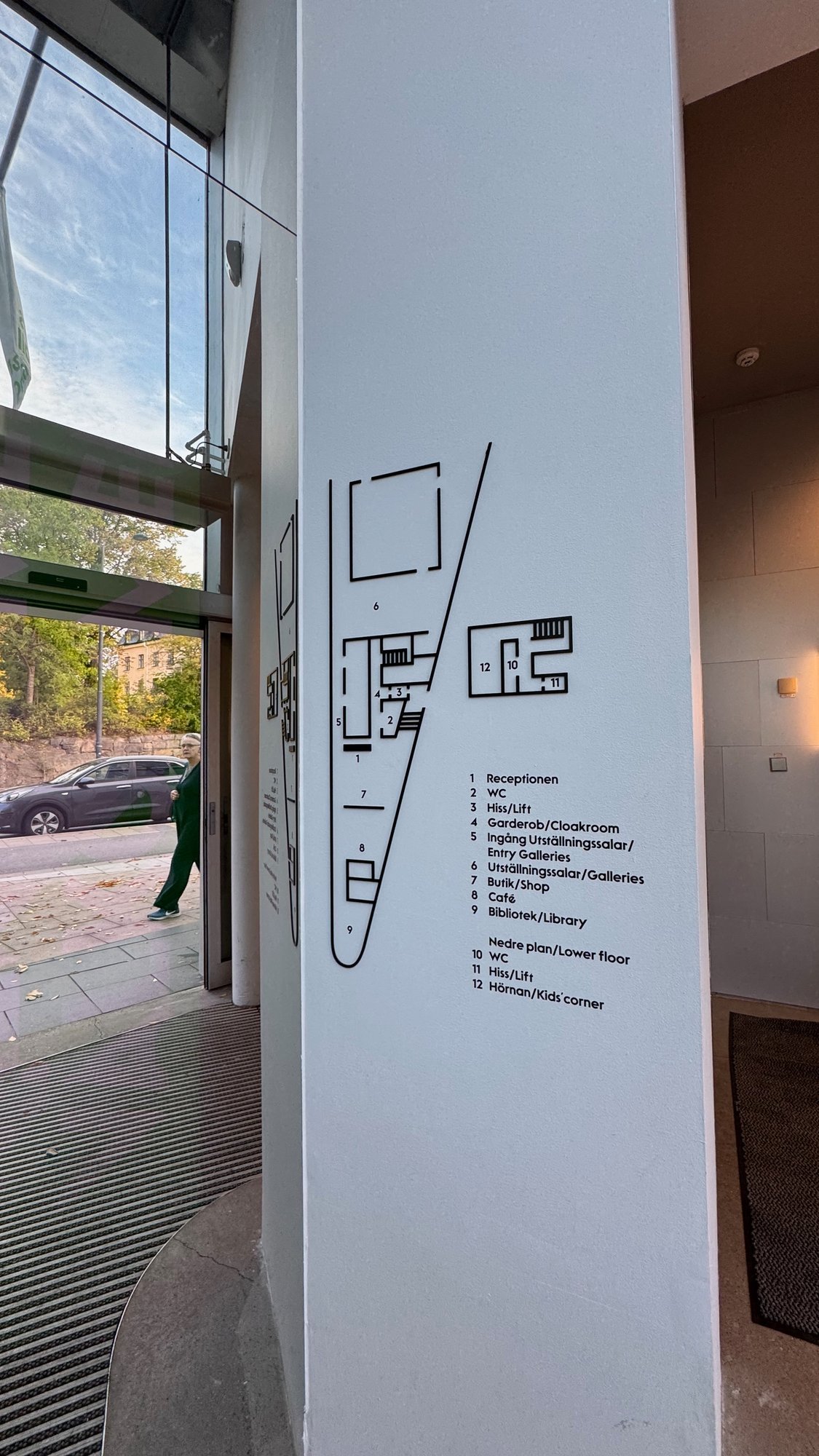
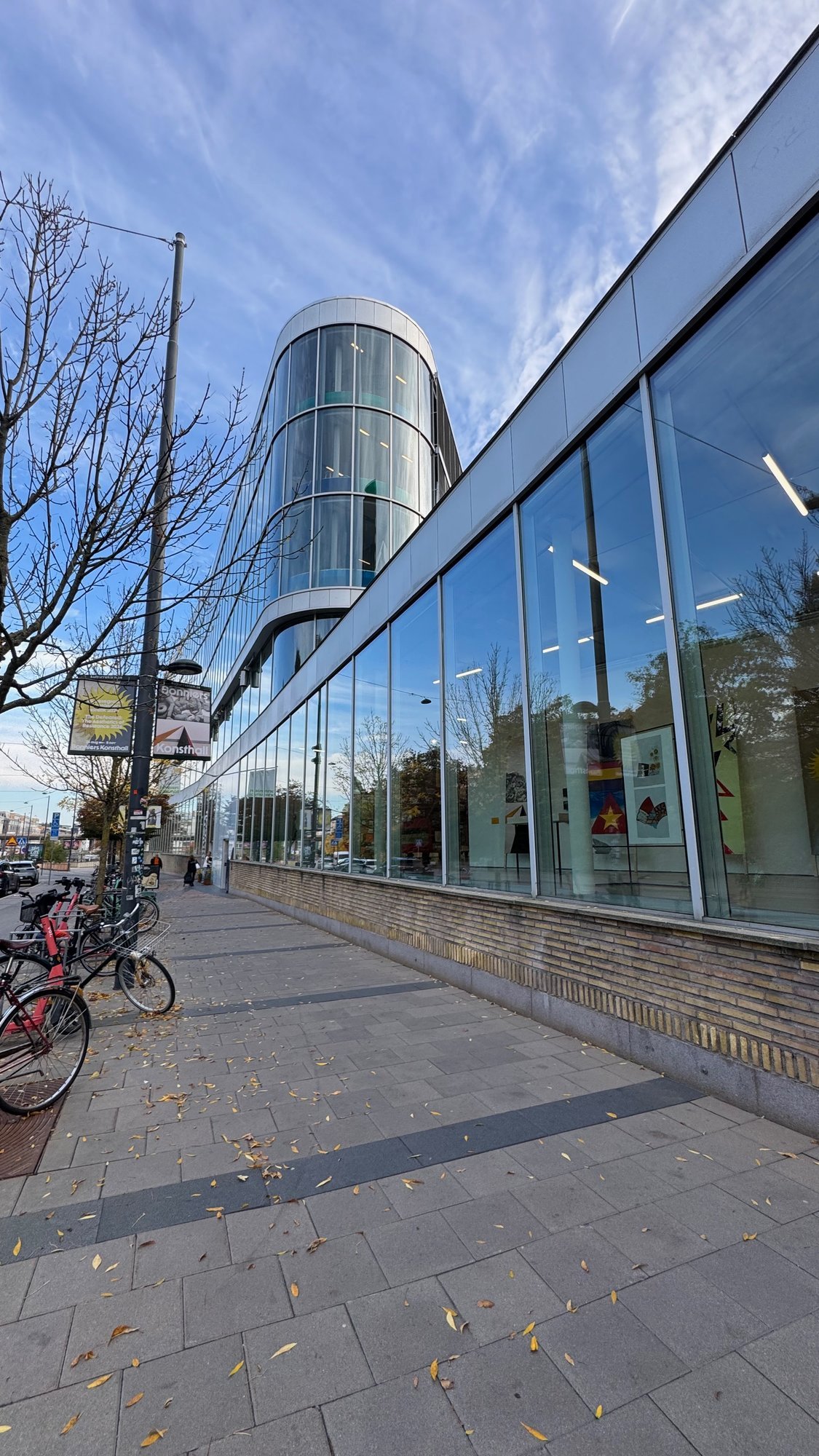
The architect Johan Celsing designed the building. Its plan is a wedge, which you can see on the floor plan by the entrance. A long glass front runs along the street, and a rounded glass tower rises behind it. From the pavement you can see art through the windows.
Inside the museum
From the street, a lift and stairs lead up to the reception on floor 1. The floor plan on the pillar by the entrance is in Swedish and English. It shows the reception, toilets, lift and cloakroom, the entry galleries and the main galleries, the shop, the café and the library. On the lower floor you find toilets, a lift and the kids’ corner.
Exhibitions
In autumn 2026 the museum shows The Defeated: The Aesthetics of Resistance 2026 (De besegrade: Motståndets estetik 2026), from 26 August to 8 November. These dates come from the sign outside the entrance. The program changes, so check the museum’s website for later shows.
Café, shop and library
The café has long wooden tables, benches and a counter with a marble front. Large windows face the trees outside. It is open Wednesday 11:00–20:00, Thursday and Friday 11:00–18:00, and Saturday and Sunday 12:00–18:00. The shop sells posters, books and multiples. A small ramp leads up to the library.
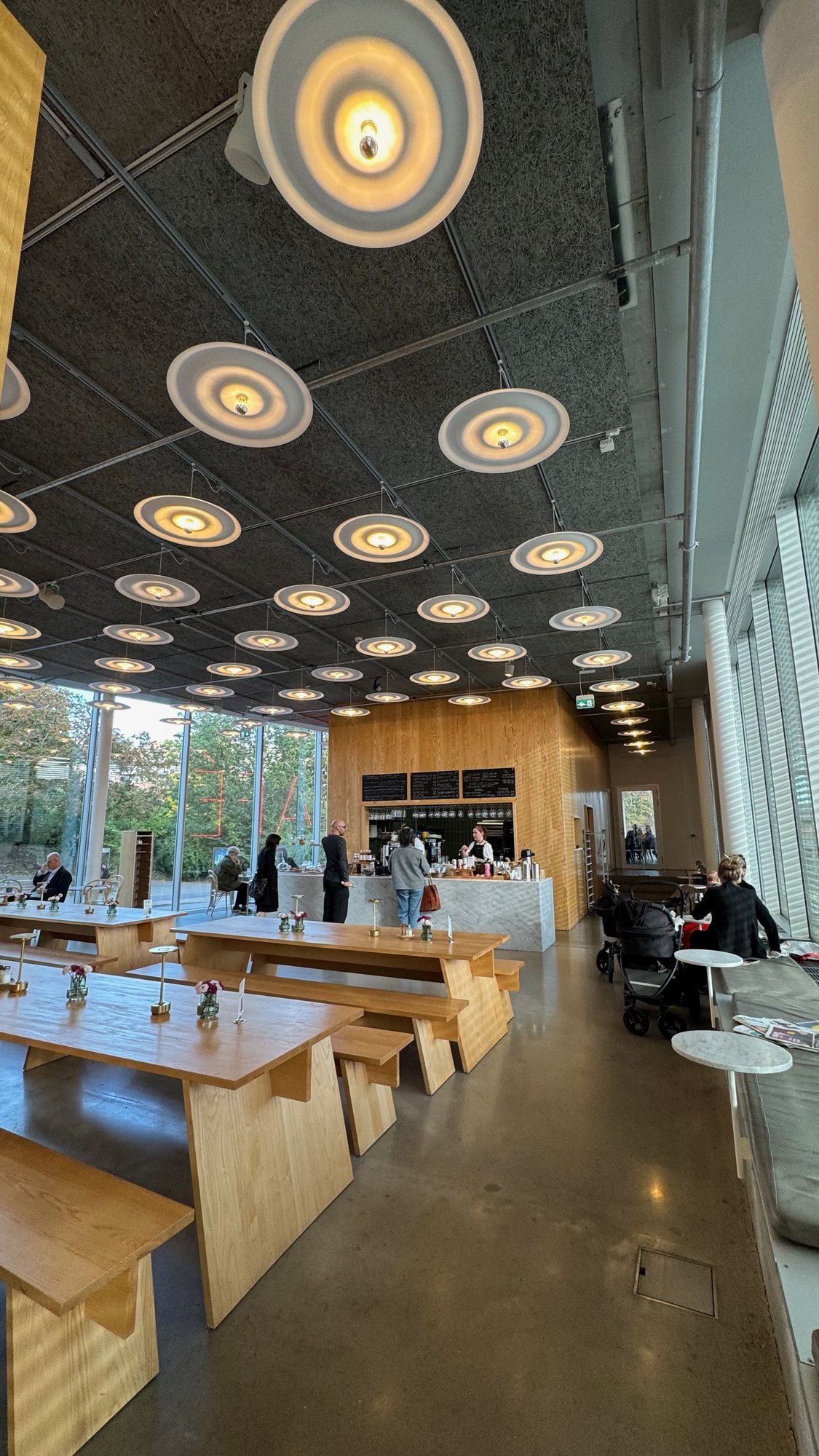
Photo gallery
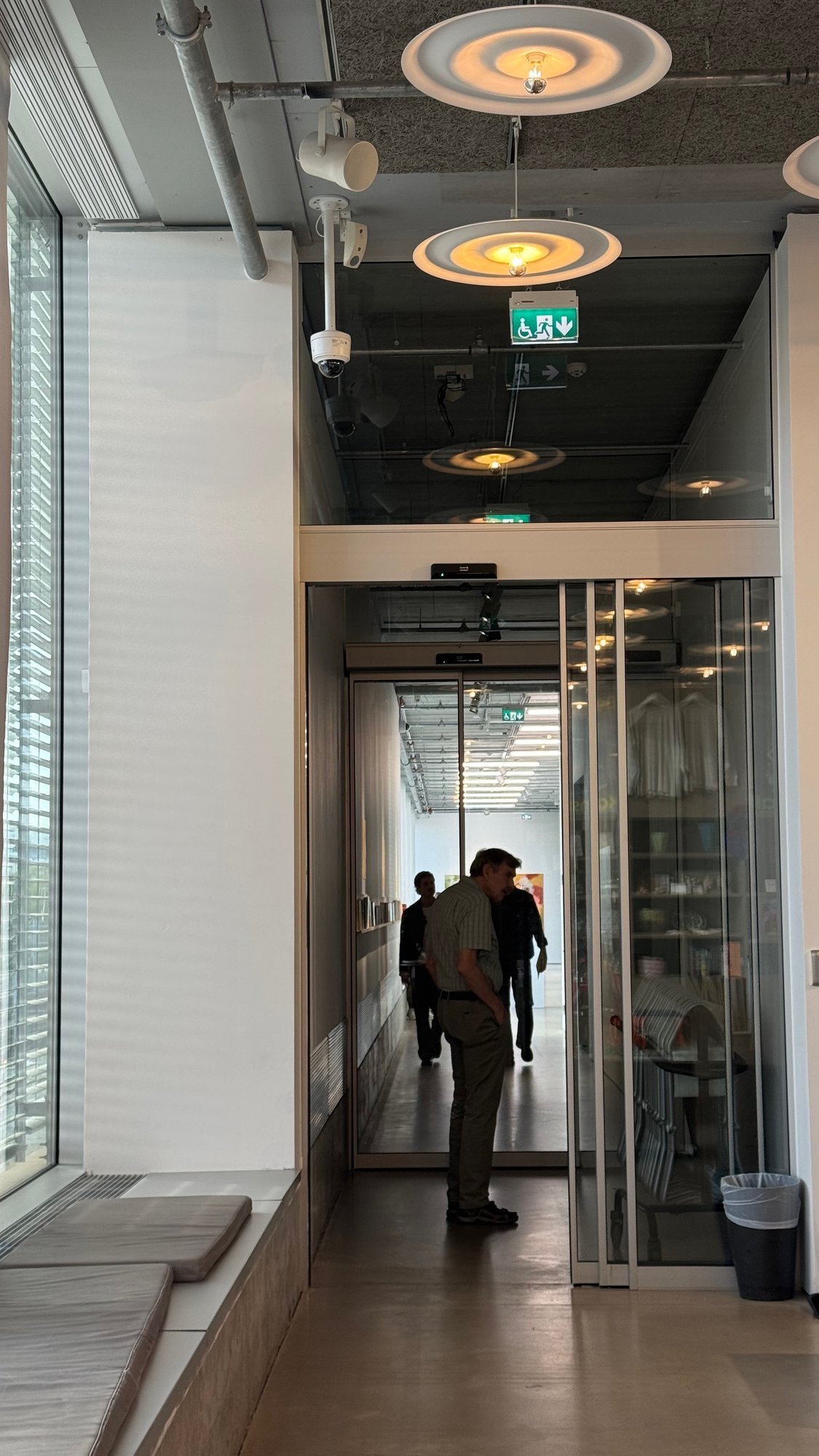
All photographs on this page were taken by Zayera Khan during a visit to the museum, and are her own property. Please do not reuse them without permission.
Nearby
Vasaparken is a short walk away. Sven-Harrys Konstmuseum in Vasaparken is another museum in the same district.