How Atlantic Salmon Farming Works in Norway: From Hatchery to Sea Pens
How Norway grows Atlantic salmon, from a small fish in fresh water to a 4–5 kg fish in a sea pen — and what it means for the wild salmon.
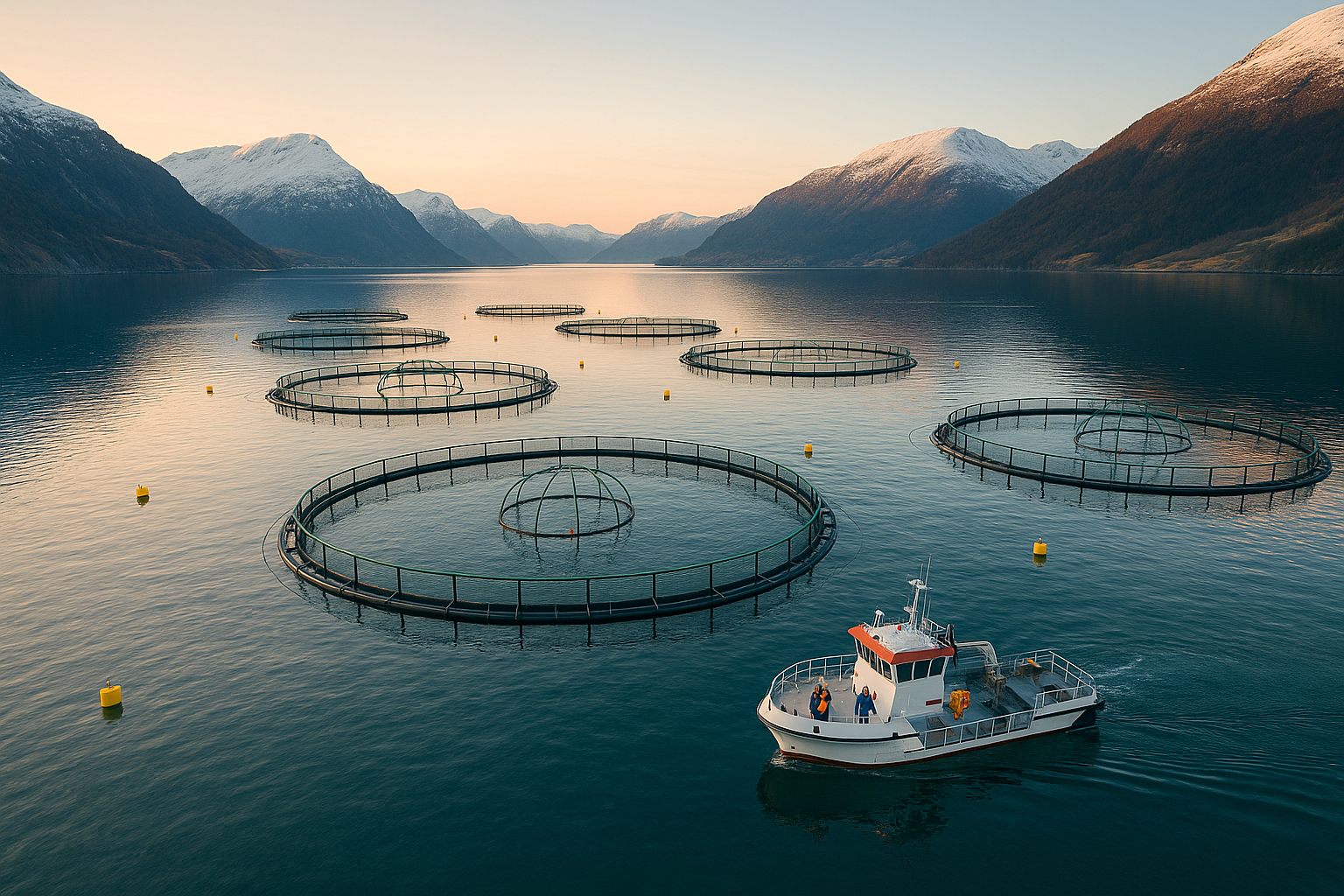
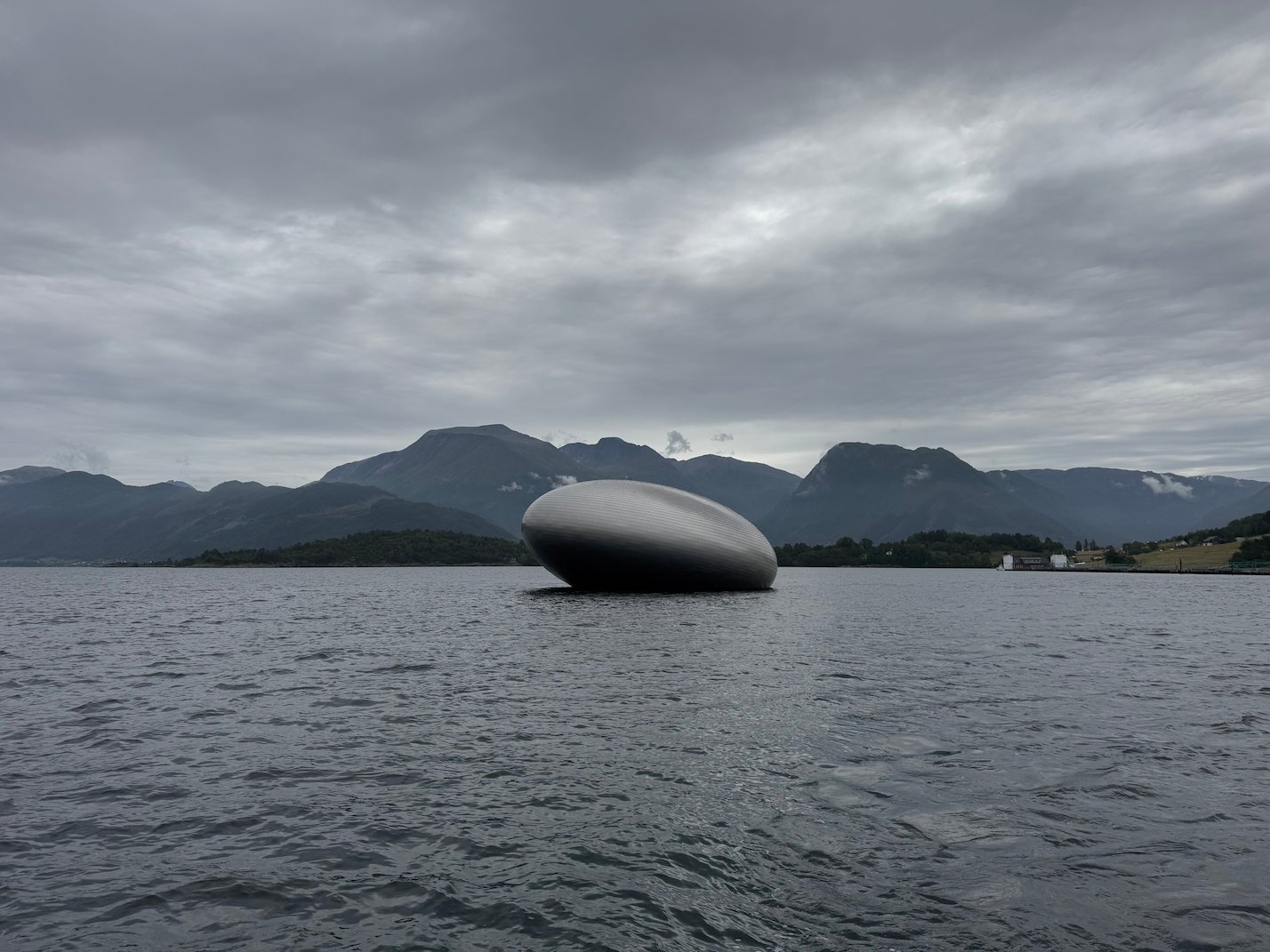
Updated 30 September 2026. Norway is the world’s largest producer of farmed Atlantic salmon. I visited Salmon Eye, a floating visitor centre at a salmon farm in the Hardangerfjord, and took the photos in this post there. The facts come from the industry, Norwegian authorities and research reports. You find the sources at the end.
Quick facts:
- Fresh water: about 10–18 months, until the fish is a smolt of 100–250 g.
- Sea pen: about 10–24 months, until the fish weighs about 4–5 kg.
- Per pen: a maximum of 200,000 fish.
- After harvest: the site stays empty for 2–6 months.
The two farm stages
1. Fresh water: from egg to smolt
The salmon starts its life on land, in tanks with fresh water. After about 10–18 months, it becomes a smolt. A smolt is a young salmon that can live in salt water. It usually weighs 100–250 g.
More and more farms keep the fish longer on land. These “post-smolts” can weigh 250 g to 1 kg when they go to sea. Then the fish spends less time in the sea pen, where sea lice are a risk.
2. Sea: the net pen
The smolts go by boat to the sea pens in the fjord. There they grow for about 10–24 months, until they weigh about 4–5 kg. The time depends on the water temperature. Salmon grow best at 8–14 °C.
The whole cycle, from egg to harvest, takes about 3 years. This includes the time when the site is empty.
How big are the pens, and how many fish?
A pen is a large net bag that hangs from a floating ring. Many pens in Norway have a ring of about 160 m around (about 50 m across). The net goes 20–50 m deep. Each site uses a size that fits its water and weather.
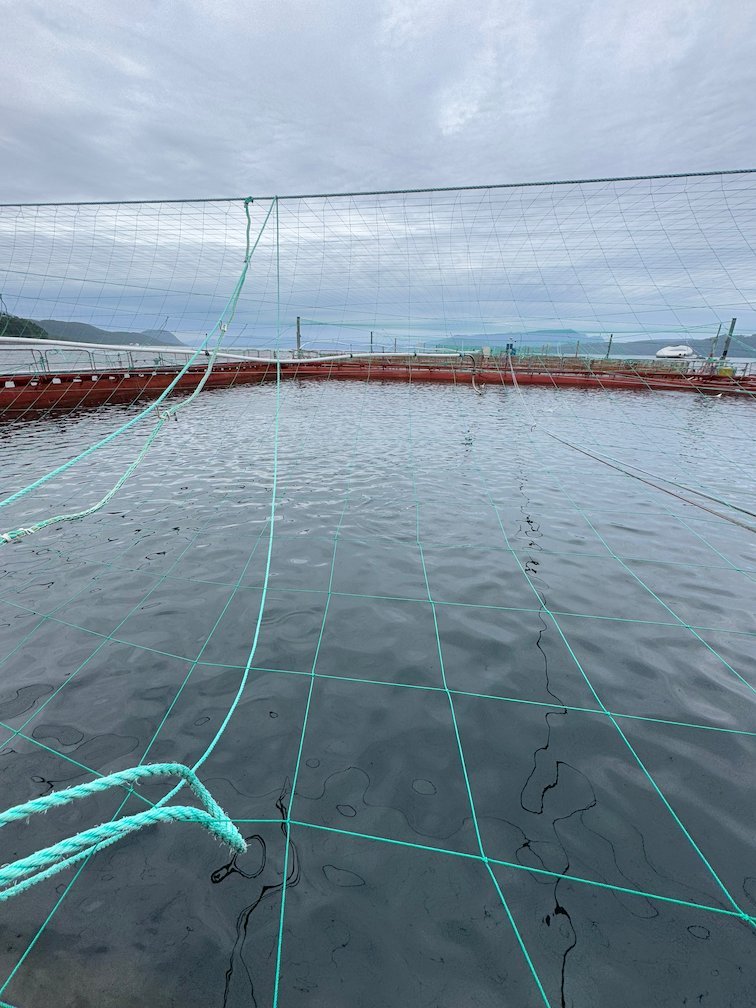
- Number of fish: a pen can hold a maximum of 200,000 fish at the same time.
- MAB (Maximum Allowable Biomass): each licence sets a limit for the total weight of live fish.
- Technical rules: the NYTEK regulation and the standard NS 9415 set rules for the design, the moorings and the nets. The goal is to stop escapes.
- Fallowing: after harvest, the site stays empty for 2–6 months. This breaks the cycle of disease and lice.
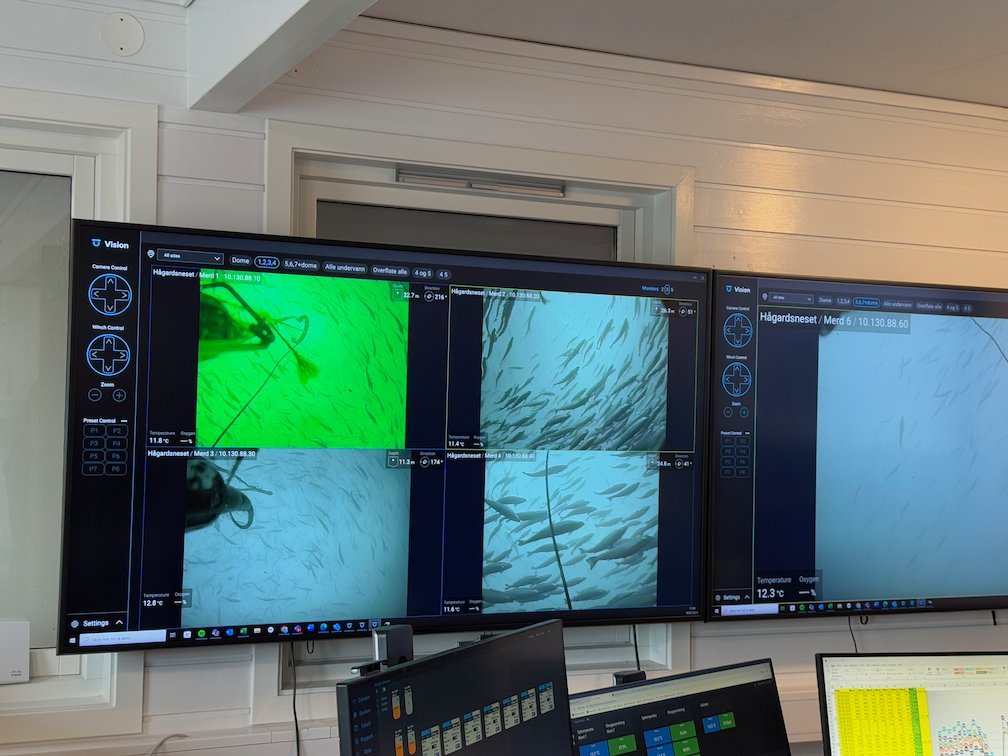
Do salmon jump to breathe?
No. Salmon breathe with their gills. But a salmon sometimes jumps or comes to the surface to swallow air. The air fills its swim bladder, which helps the fish float at the right depth. A salmon can also jump to get rid of lice.
Sea lice live mostly in the top layer of the water. Some farms test “snorkel” pens. A tube of net lets the fish go up for air, while a skirt keeps the lice out of the pen.
Wild salmon and the farms
Farmed salmon and wild salmon are the same species, Salmo salar. The wild salmon swims up the rivers to spawn. The farms use the same biology, but in a controlled system.
The Sognefjord is about 205 km long and up to 1,308 m deep. The inner part is a National Salmon Fjord, so the rules for fish farms there are strict. The river Lærdalselvi flows into the fjord at Lærdal. It is a National Salmon River, and people call it “the Queen of salmon rivers”. King Harald fished in the river for more than 70 years, from 1951.
The parasite Gyrodactylus salaris came to Lærdalselvi in the 1990s. After years of treatment, the river was declared free of the parasite in 2017. Salmon fishing in the river is strictly regulated today, and the rules change each year. Read more in my post Discover the Atlantic salmon of Sognefjord and Lærdal.
The main challenges
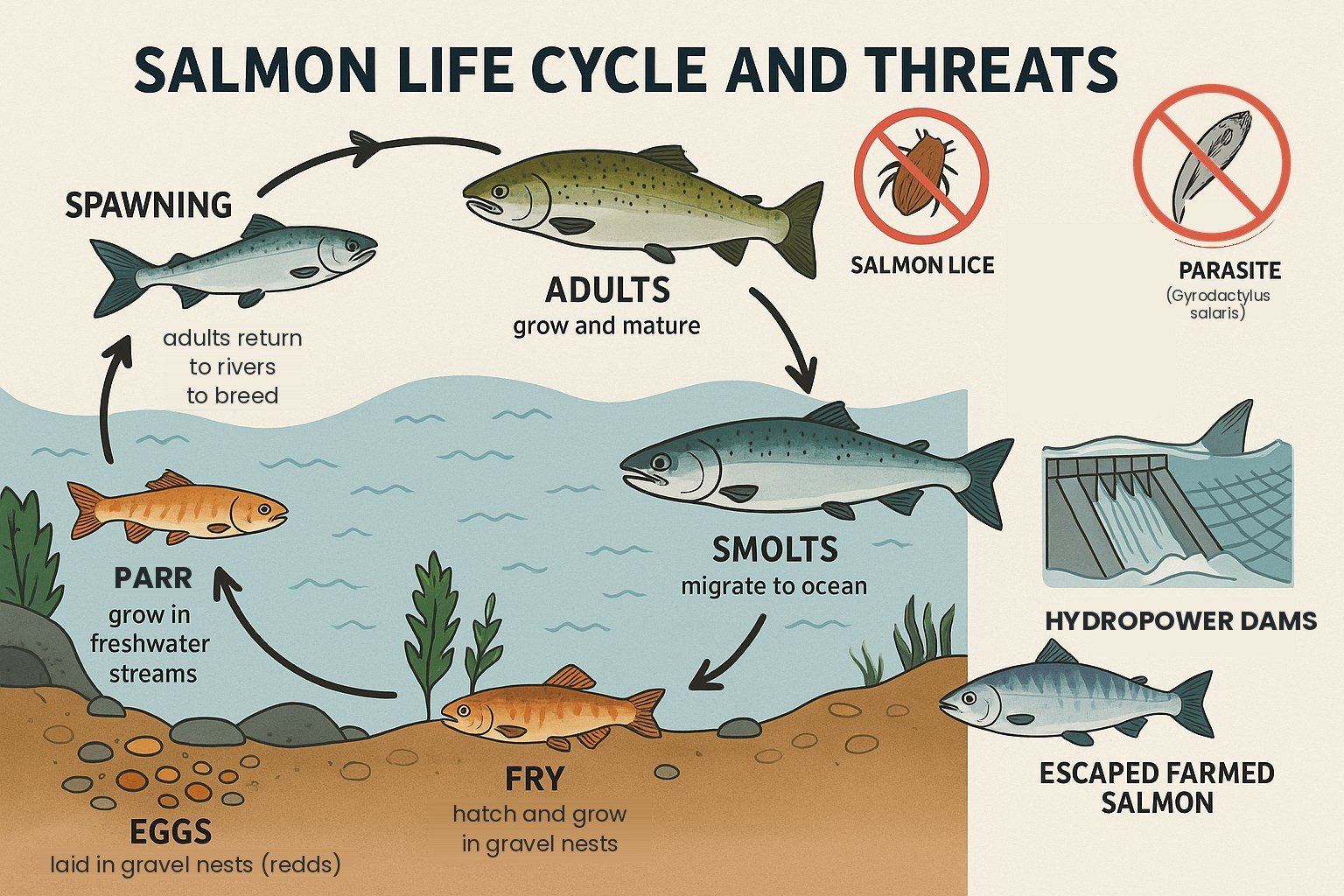
- Sea lice. Lice from open pens can kill young wild salmon on their way to sea. Farms must keep the number of lice under a limit: 0.5 adult female lice per fish, and lower in spring. Since 2017, a “traffic light” system decides if farms in an area can grow or must cut production.
- Escaped farmed salmon. Farmed fish that escape can breed with wild salmon. This weakens the wild stocks.
- Gyrodactylus salaris. This parasite infected 54 Norwegian rivers. At the end of 2024, only 6 were still infected, in the Driva and Drammen regions. The last treatments are planned for 2025–2028.
- Hydropower. Dams and changes in water flow reduce the areas where salmon can live and swim up.
- Acid rain. Acid rain killed or weakened salmon stocks in many rivers in southern Norway. Liming of the rivers has brought the salmon back to many of them.
- Pink salmon. This non-native species comes in large numbers in odd years, for example 2025. People set up traps in the rivers to remove it.
Fjords 101: how a fjord forms
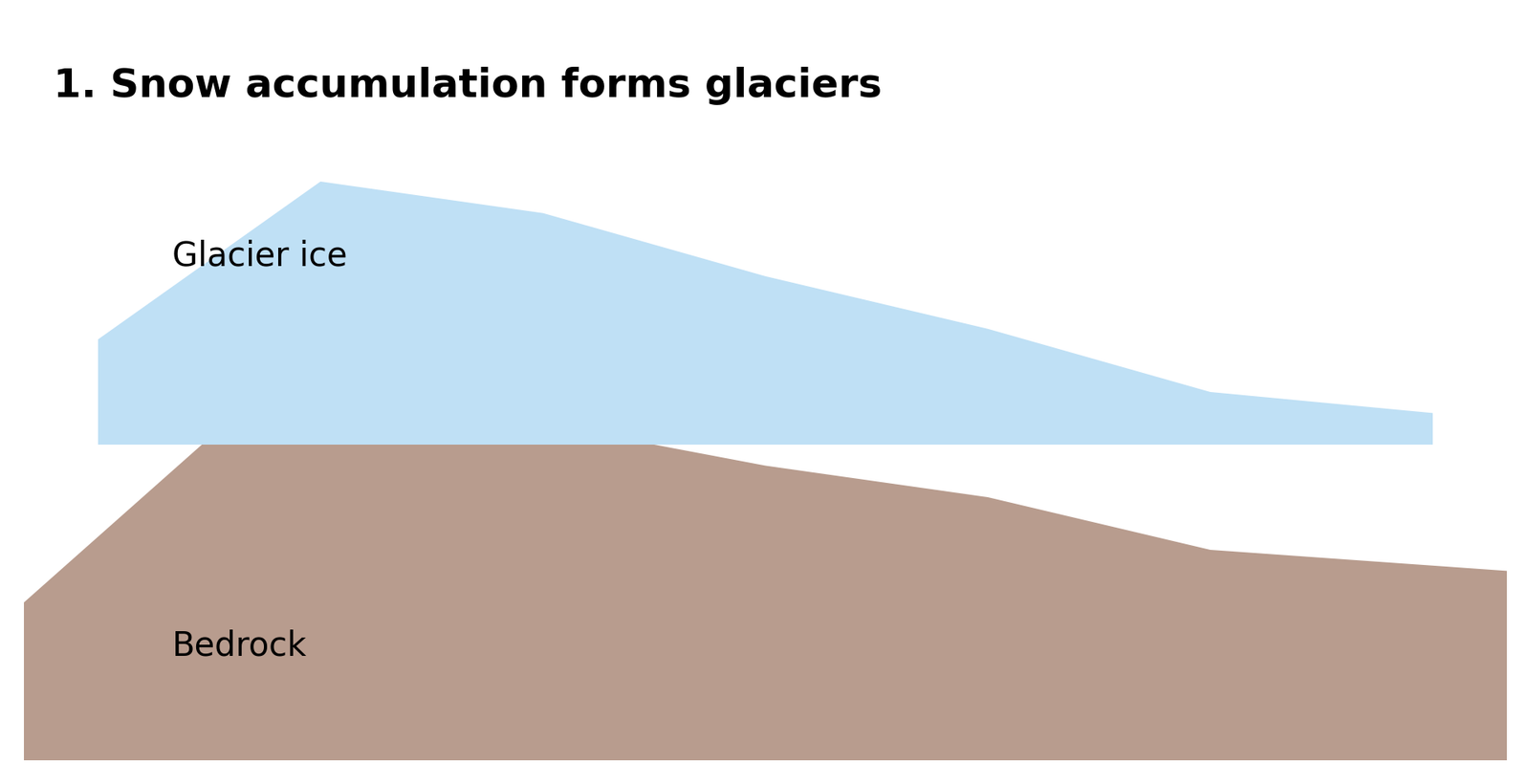
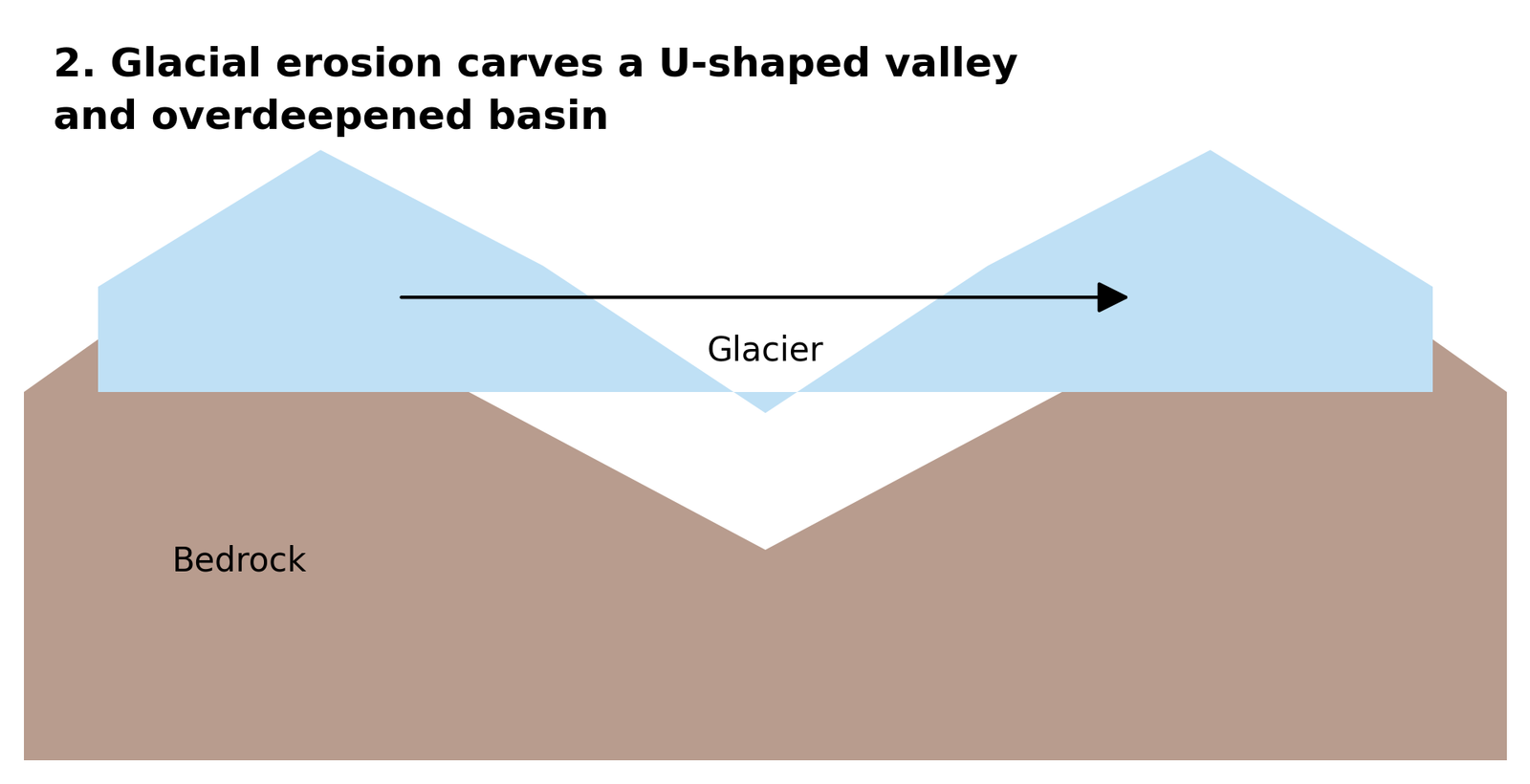
A fjord is a long, narrow arm of the sea with steep sides. It started as a valley that a glacier made deeper. Later, the sea filled it.
- Snow becomes ice. Over many cold years, snow turns into ice. The glacier moves slowly down the valley to the coast.
- The ice cuts the rock. The ice and the stones under it grind the bedrock. The valley becomes deep and U-shaped. Side valleys stay high up, so water falls from them as waterfalls.
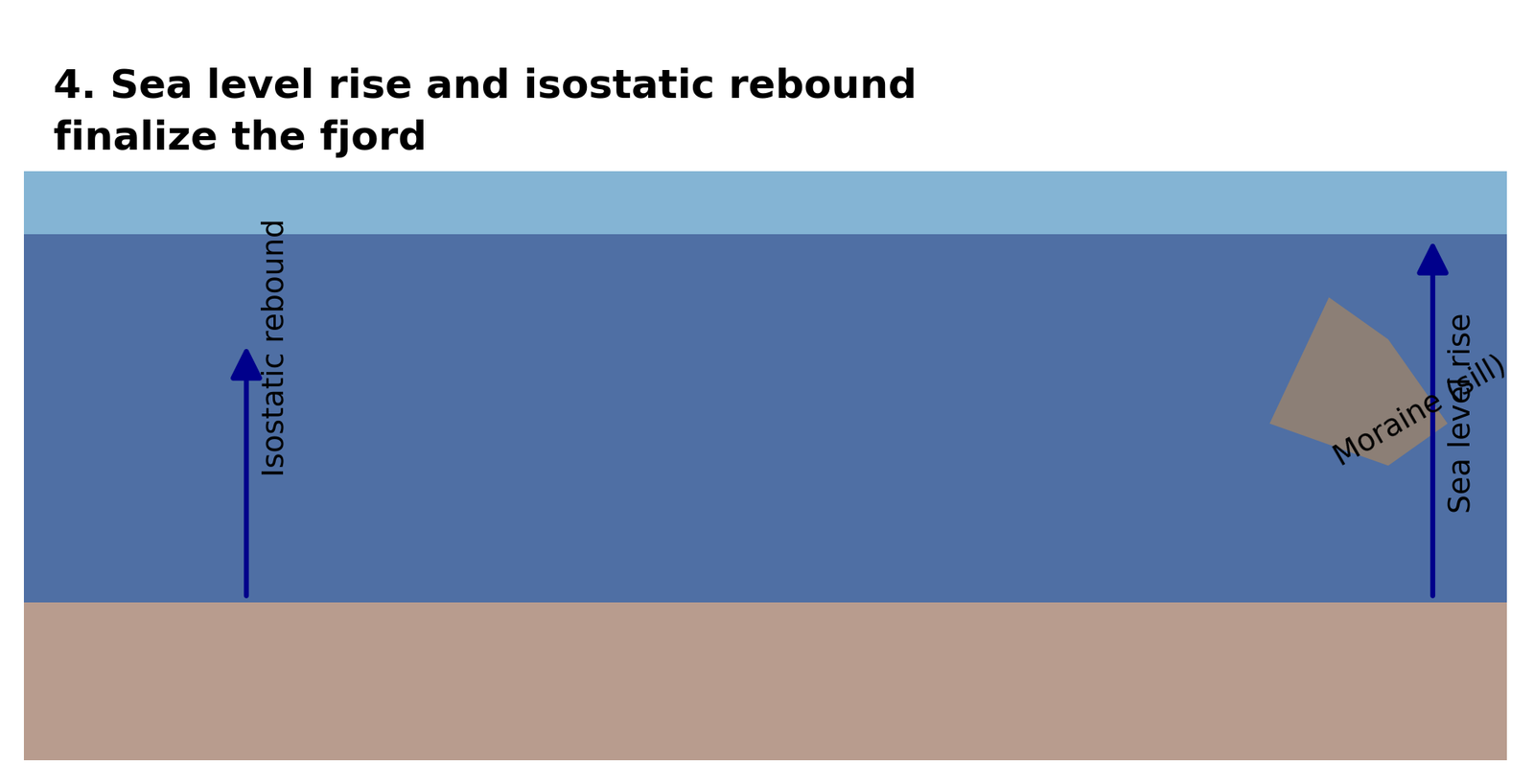
- A sill forms at the mouth. Near the sea, the ice is thinner and cuts less. It also leaves rock and gravel (moraine). This makes a shallow sill at the mouth of the fjord.
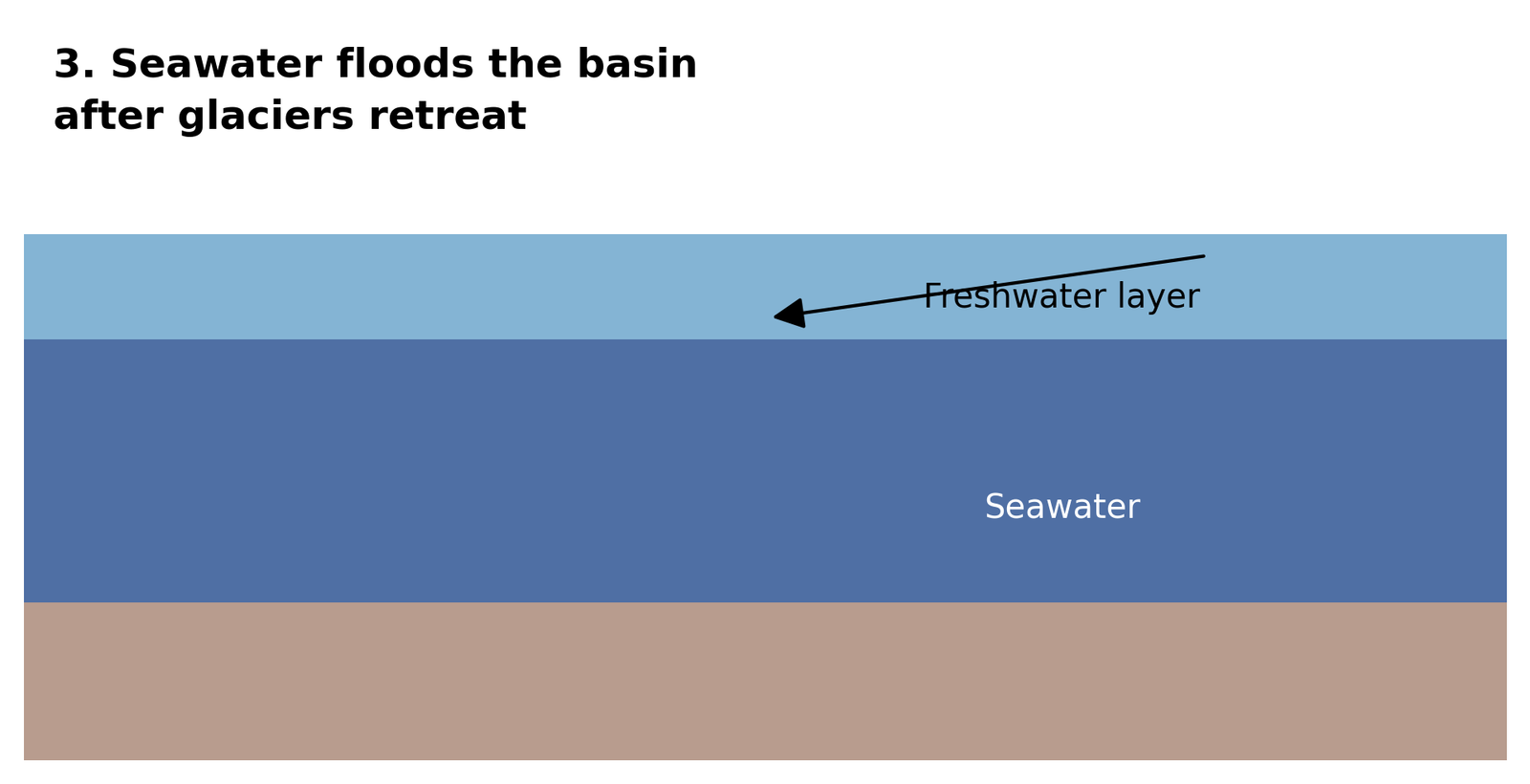
- The sea comes in. After the last Ice Age, the ice melted and the sea filled the valley. At the same time, the land slowly rose again, free from the weight of the ice.
- Water in layers. Fresh water from the rivers stays on top. Salt water stays below. Behind a sill, the deep water changes only when heavy ocean water flows over the sill. So the deepest water can have little oxygen.
Three examples
- Sognefjorden is the longest and deepest fjord in Norway: about 205 km long and 1,308 m deep. Near the mouth, a sill is only about 150–200 m deep.
- Hardangerfjorden is about 179 km long. It goes around the Folgefonna glacier, with U-shaped valleys and many waterfalls.
- Geirangerfjorden and Nærøyfjorden are on the UNESCO World Heritage List as the West Norwegian Fjords.
More from Norway: Norwegian nature: trees, wildlife and life outdoors.
Sources: Salmon Eye, Hardangerfjord (opens in a new tab); Mowi: Salmon Farming Industry Handbook 2025 (opens in a new tab); Store norske leksikon: Lærdalselvi (opens in a new tab); Norske Lakseelver: Lærdalselva er frisk (2017) (opens in a new tab); Lærdal Wild Salmon Visitor Centre: the King’s river (opens in a new tab); NASCO: Gyrodactylus salaris in Norway, 2024 (opens in a new tab); Mattilsynet: Gyrodactylus salaris (opens in a new tab); Miljødirektoratet: acid rain (opens in a new tab). Checked 30 September 2026.