Battle of Lund (1676) – What happened & where to visit in Lund, Sweden
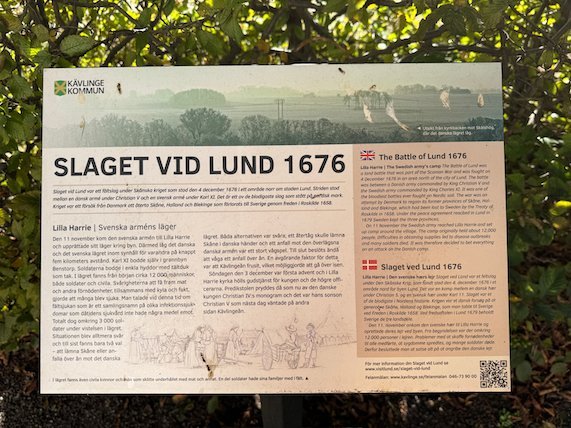
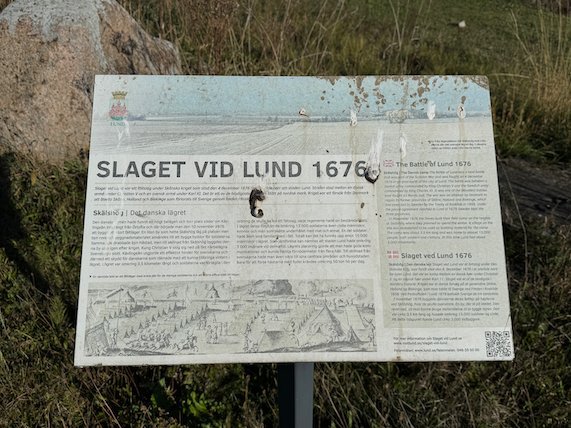
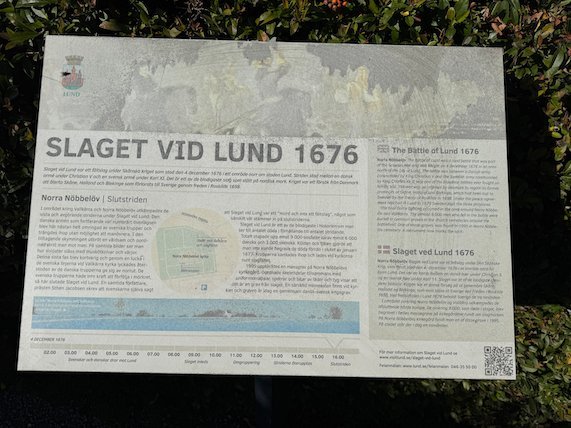
On 4 December 1676, just north of Lund, Sweden and Denmark fought one of the bloodiest days in Nordic history. In freezing conditions, the 21-year-old Swedish king Charles XI confronted Denmark’s King Christian V. The Swedes won—but at a terrible cost.
What happened here?
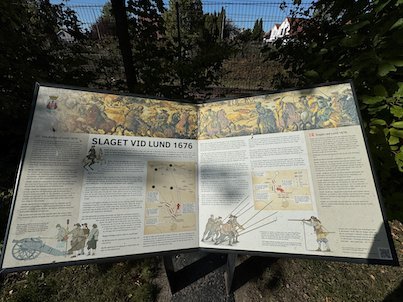
The Danish army had taken most of Skåne during the Scanian War (1675–1679). A sudden cold snap froze the nearby river, allowing the outnumbered Swedes to risk a surprise maneuver before dawn. After hours of intense fighting, Charles XI’s cavalry struck the Danes from the rear and turned the battle.
Casualties were enormous for both sides—widely described as the bloodiest battle of the Scanian War and among the worst in Scandinavia in proportional losses. Contemporary and local accounts put the death toll around 9,000–10,000 killed; other tallies include wounded and captured.
Why it matters
Lund became the turning point of the war. Three years later the Peace of Lund (1679) confirmed the border set by the Treaty of Roskilde—Skåne remained Swedish, which still shapes the region’s identity today.
What to see in Lund today
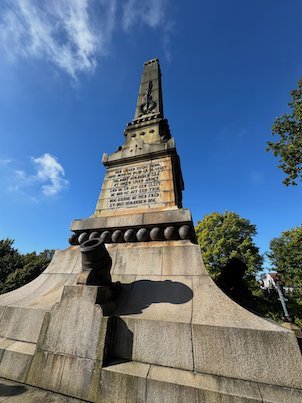
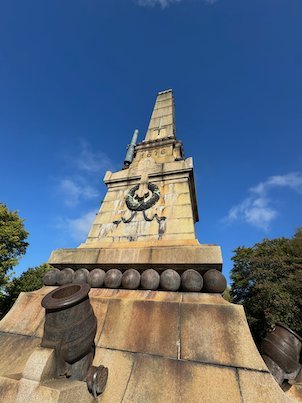
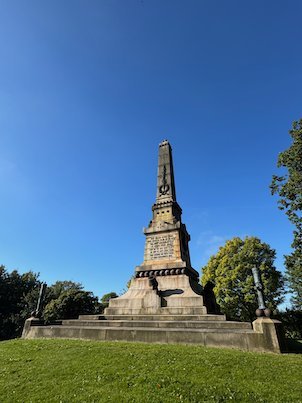
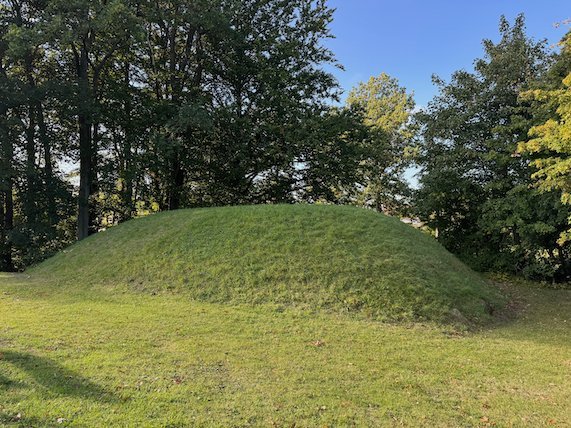
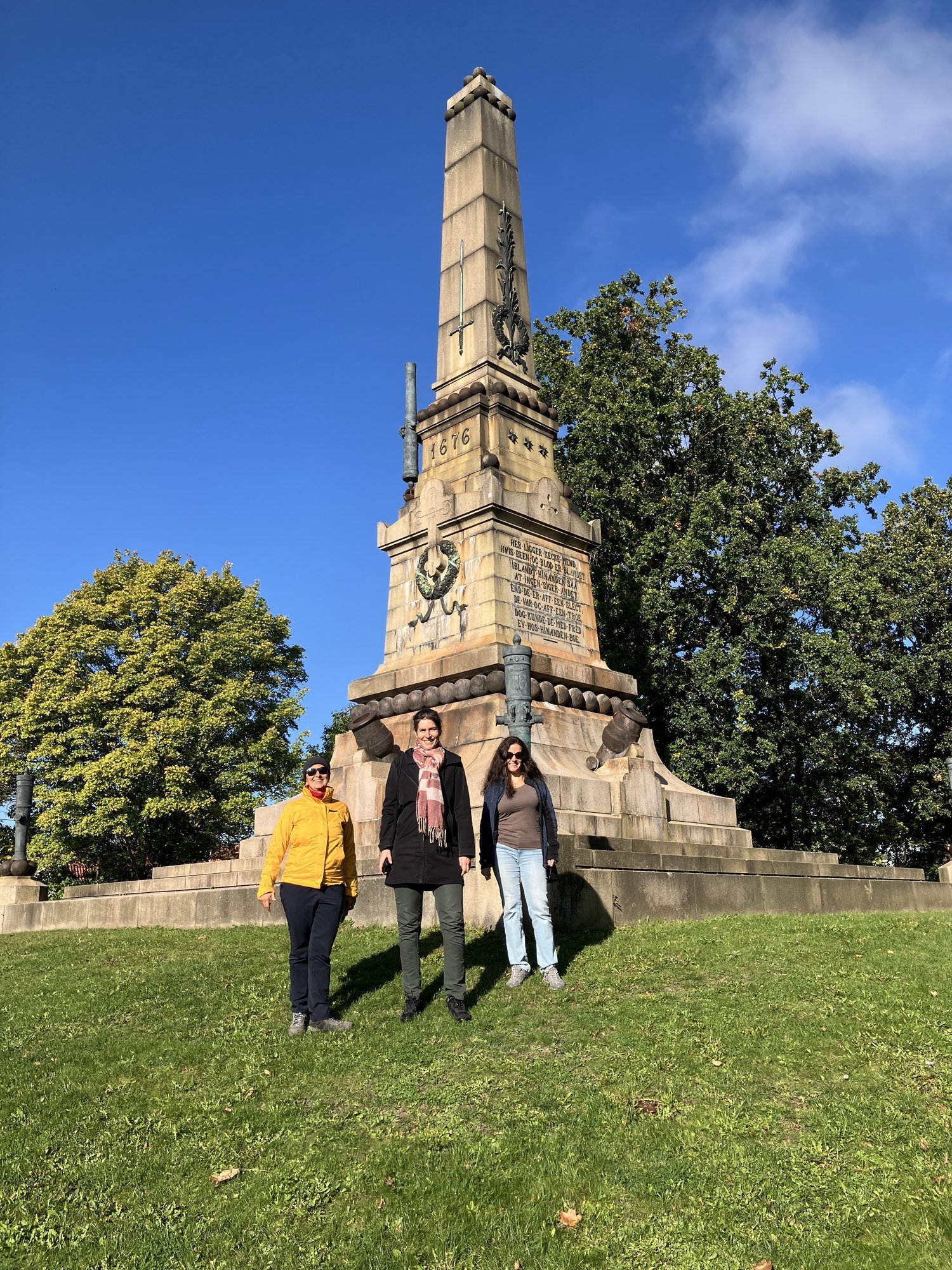
Monument Park (Monumentet) – An obelisk raised in the late 19th century commemorates the battle and today symbolizes reconciliation between Swedes and Danes. It stands on Lerbäckshög, north of central Lund, near Kävlingevägen.
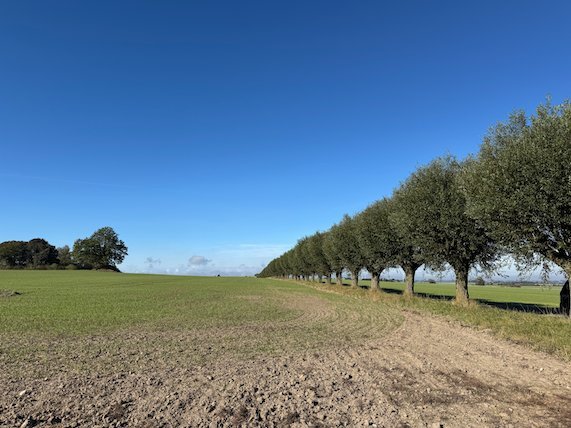
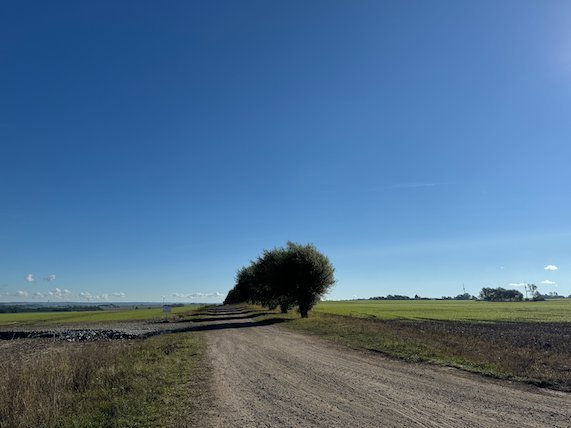
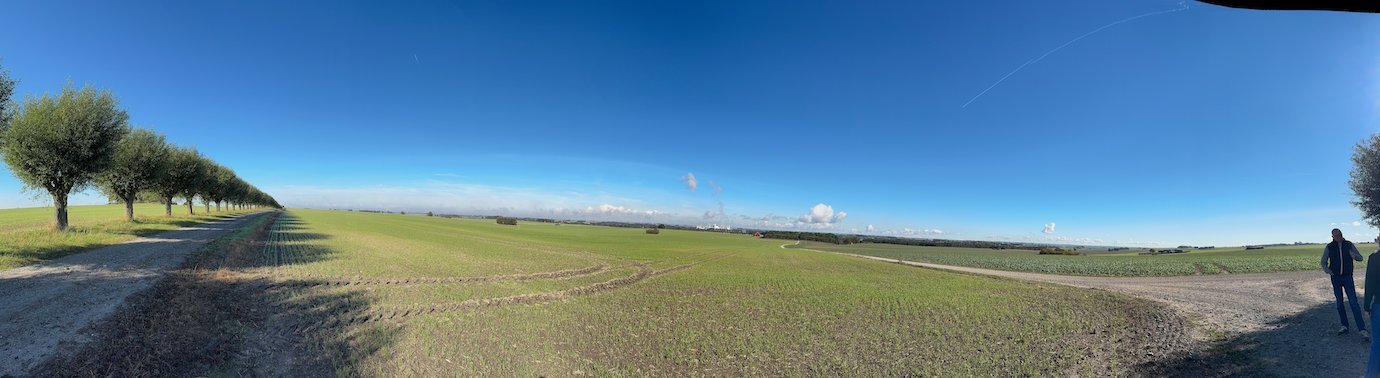
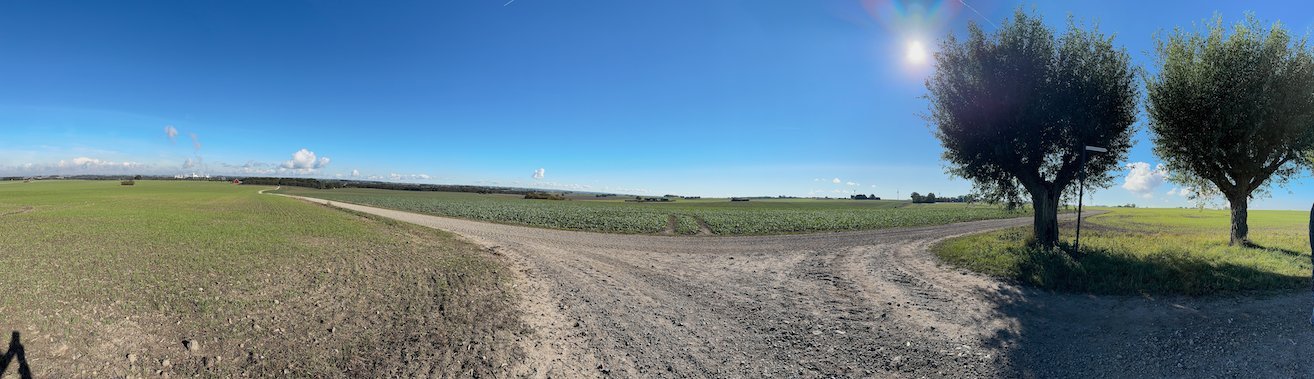
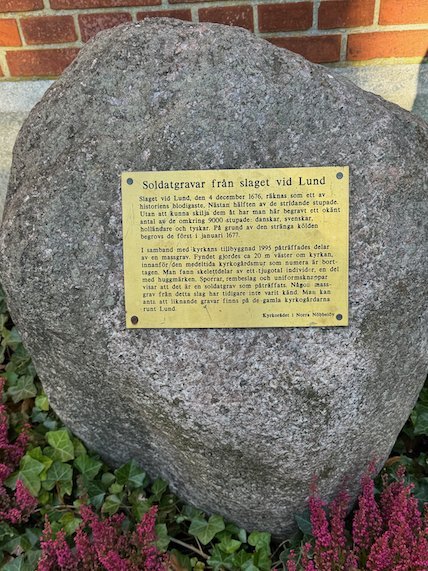
The final battlefield – The last, brutal phase unfolded between Norra Nöbbelöv and Vallkärra. A mass grave of battle victims was discovered by Norra Nöbbelöv Church in 1995. Please treat the area with respect.
Kungshuset (The King’s House), Lundagård – Tradition holds that Charles XI came here late the night of 4 December for supper and rest after the victory. It’s one of the oldest buildings in the university park and easy to visit on a city stroll.
Explore the story
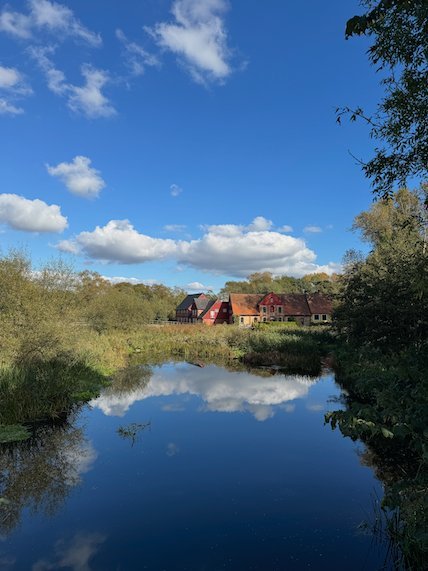
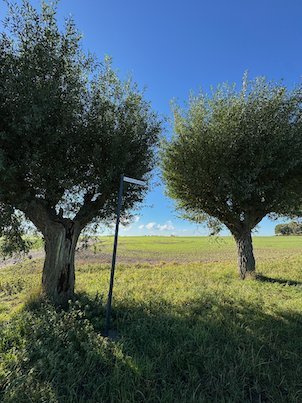
Bike the battlefield – A full-day self-guided route links 14 sites connected to the battle, with clear descriptions and maps.
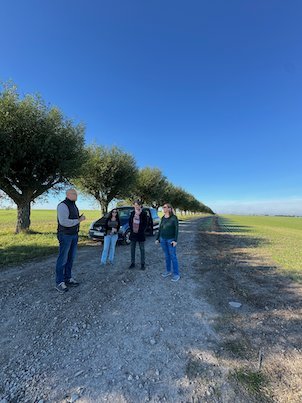
Guided tours & events – Seasonal bus or walking tours follow troop movements and key places (check current schedules with Visit Lund).
Visitor tips
Surfaces can be uneven farm tracks—wear sturdy shoes and be mindful that some locations are on or beside private land.
Many sites are open spaces with limited facilities; bring water and dress for the wind.
#VisitLund #BattleOfLund #ScanianWar #Skåne #SwedenHistory #NordicHistory #MonumentPark #Kungshuset #SwedenTravel #CulturalHeritage