
Bergianska Trädgården
Stockholm’s botanical garden on the shore of Brunnsviken
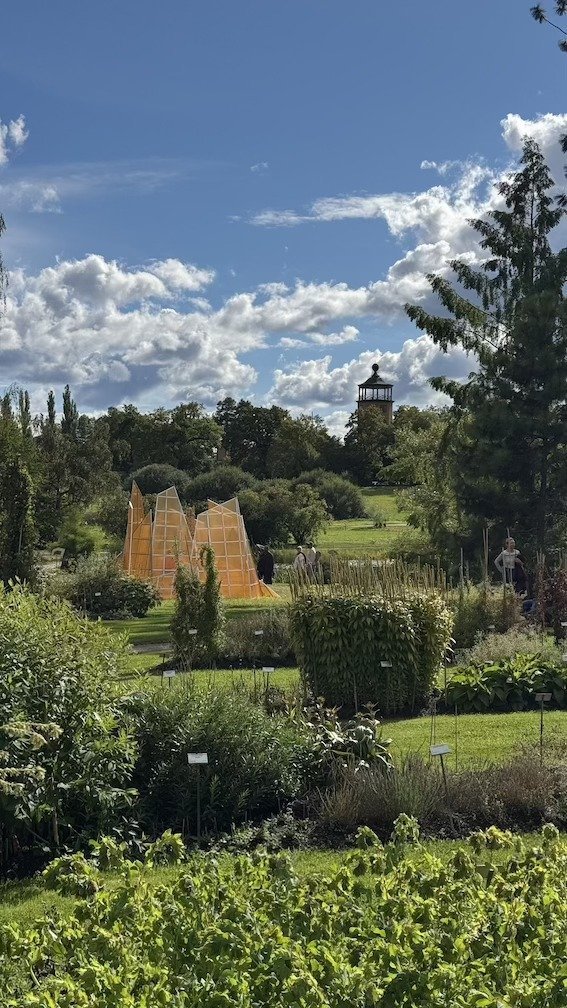
- Why visitYou walk through plant collections from around the world, and step from a Mediterranean grove into a rainforest under one roof.
- Best forGarden lovers, photographers, and anyone who wants a calm outdoor walk close to the city.
- AddressGustafsborgsvägen 4, Frescati, 114 18 Stockholm
- Opening hoursOutdoor garden: open every day, free entry. Edvard Anderson Building (greenhouse): Tue–Fri 11:00–16:00, Sat–Sun 11:00–17:00, closed Mondays (open on school holidays). Victoria House: open 1 May–30 September only, same hours as the greenhouse.
- AdmissionGreenhouse: adults 100 SEK, under 16 free. Victoria House: adults 25 SEK, under 18 free (up to two children per adult). Cards only, no cash.
- Getting thereRoslagsbanan train or the red metro line to Universitetet station, or bus 50 or 540. Paid parking near the main entrance and by the Roslagsvägen roundabout.
- Group sizeMaximum 150 people at a time in the Edvard Anderson Building.
- AccessibilityWheelchair accessible.
- FacilitiesA café in the greenhouse, a restaurant and café in the Old Orangery, a small shop, and 2 toilets in the Edvard Anderson Building.
- Guided toursGarden tours run regularly in season, and group visits can be booked in advance.
- Official websitebergianska.se
About the garden
Bergianska Trädgården, the Bergius Botanic Garden, is Stockholm’s botanical garden, spread across a hillside above Brunnsviken in the Frescati area, next to the Swedish Museum of Natural History and Stockholm University. It began life somewhere else entirely: in 1791, the brothers Bengt Bergius and Peter Jonas Bergius left their house and garden in what is now Vasastaden to the Royal Swedish Academy of Sciences, on condition that it be used to grow and study plants. The botanist Olof Swartz became its first director in 1791.
By the end of the 19th century, the city had grown around the original garden, and it moved to its current site at Frescati. Today the garden is run jointly by the Royal Swedish Academy of Sciences and Stockholm University, and its director still carries the old title “Professor Bergianus,” a line that runs back to Olof Swartz himself.
The outdoor garden is organised by geography and by plant family: beds grouped by the part of the world their plants come from, a systematic department that shows how species are related to one another, an orchard, a herb garden, and a Japanese pond. All of it is free to walk through, every day of the year.
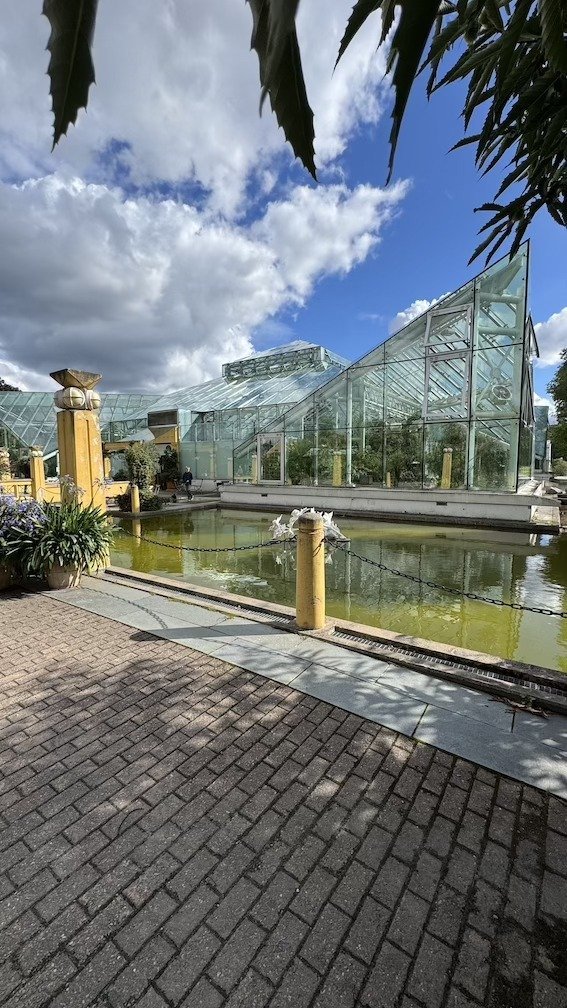
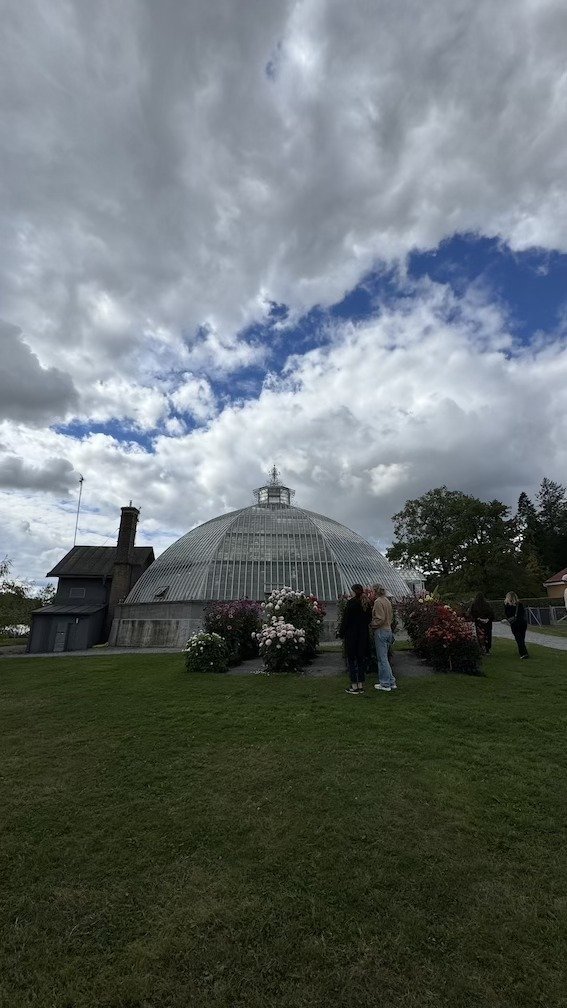
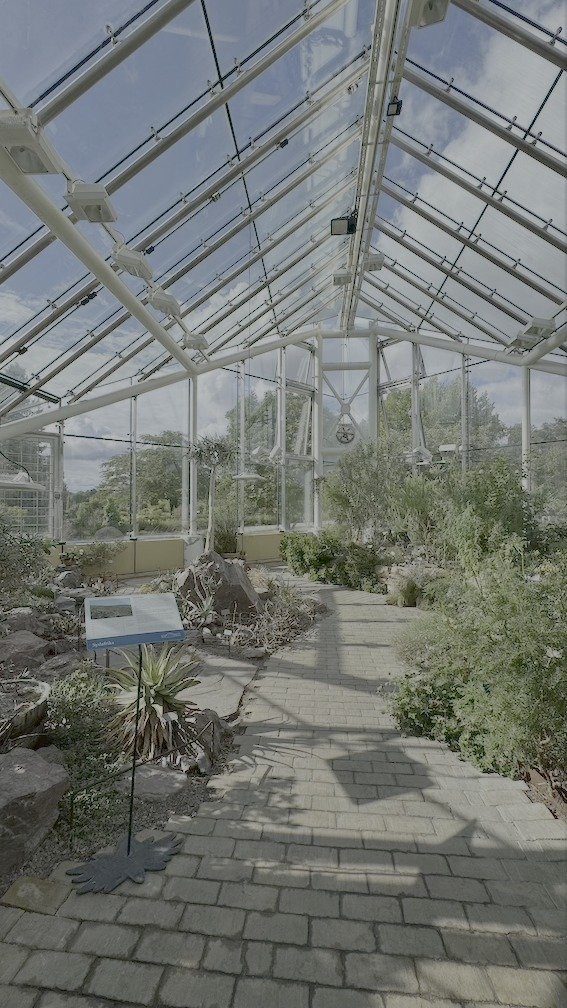
Two greenhouses hold the collections that cannot survive a Swedish winter outdoors. The Edvard Anderson Building is divided into 7 halls, each with its own climate, from Mediterranean groves to rainforest and desert, all under one glass roof, all year round. Victoriahuset, open only from May to September, is built around a single pond, home to the giant Amazon water lily, Victoria amazonica, whose leaves can grow wide enough to hold a small child.
Photo gallery
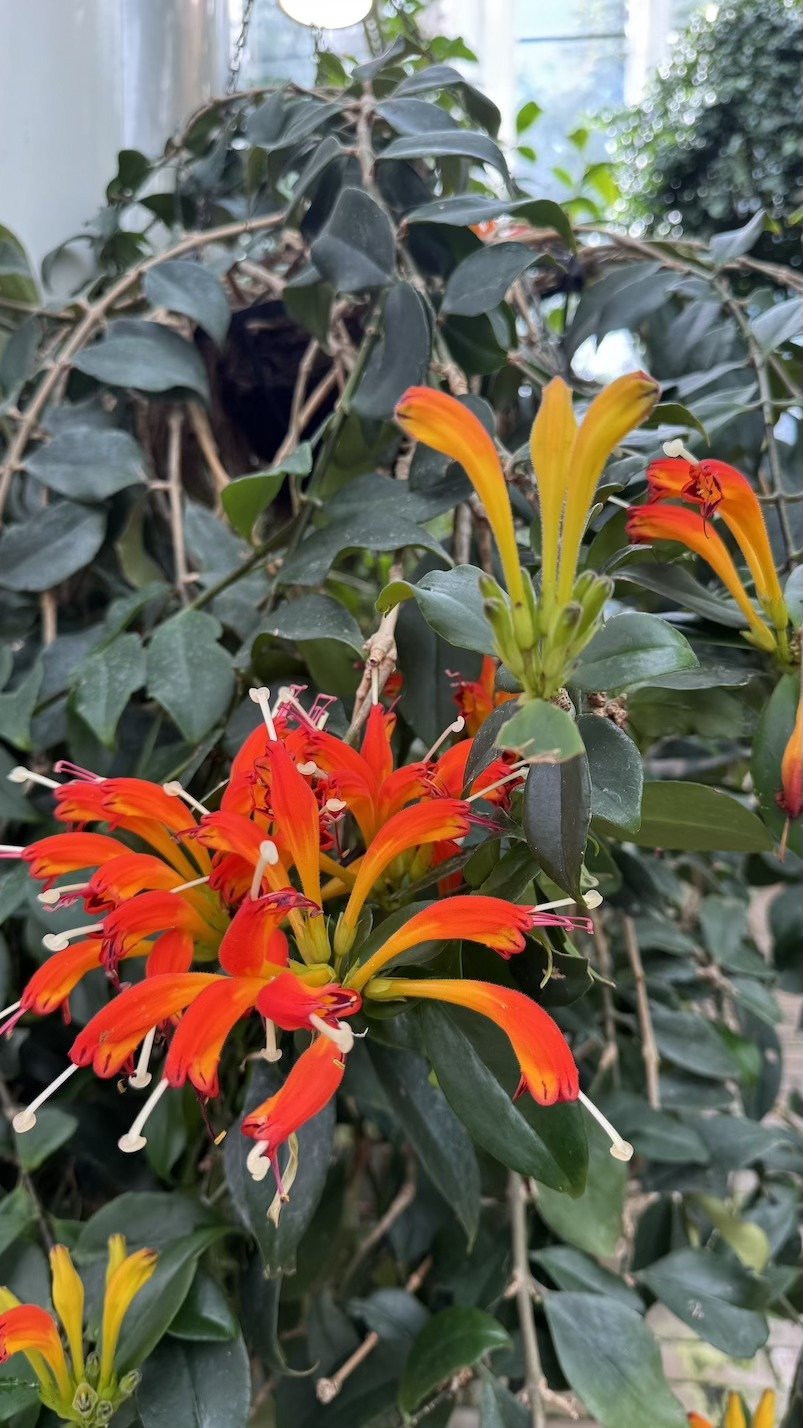
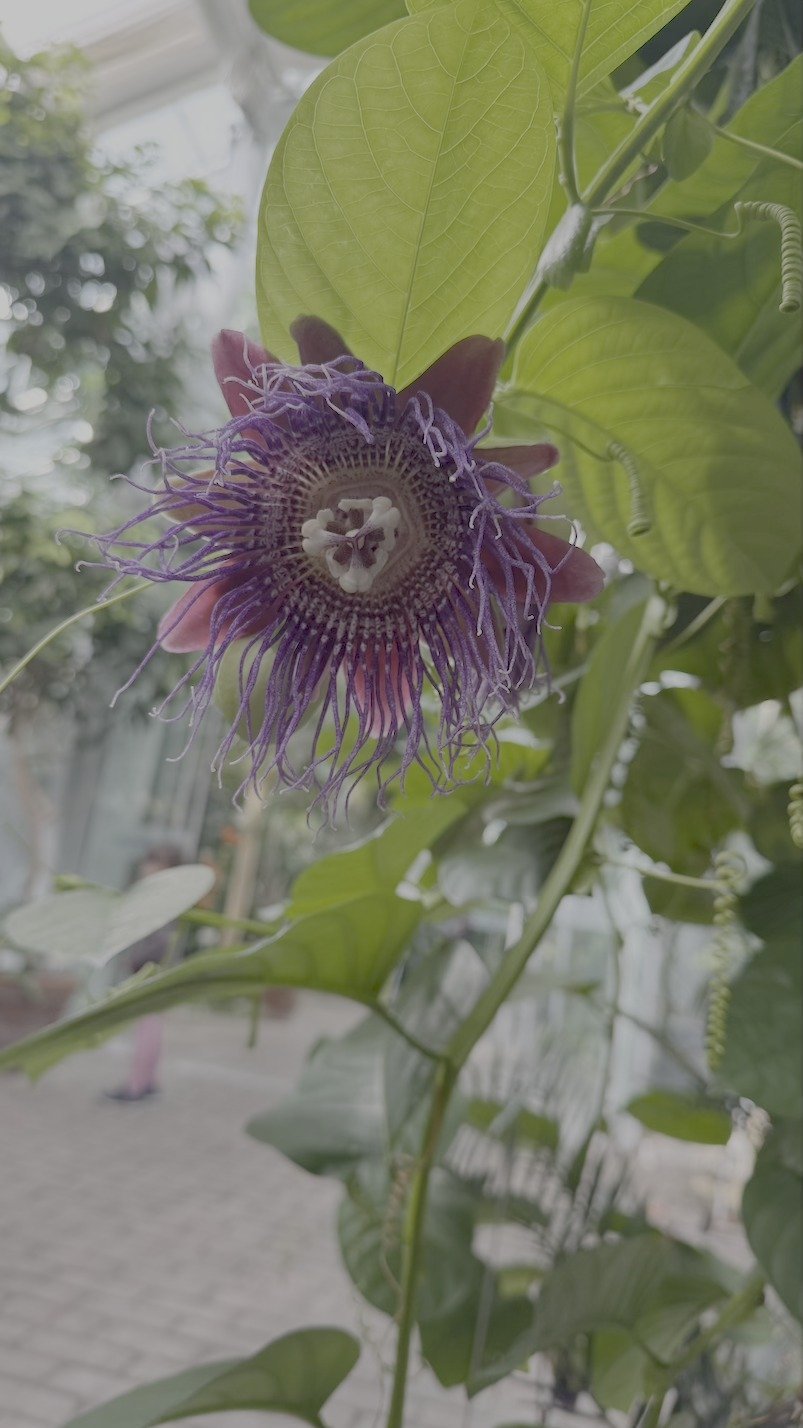
All photographs on this page were taken by Zayera Khan during a visit to the garden, and are her own property. Please do not reuse them without permission.
The garden’s origins
The Bergius brothers
Bengt Bergius, a historian and civil servant, and his younger brother Peter Jonas Bergius, a physician and naturalist, never married and left no children. When Peter Jonas died in 1790, the brothers’ joint will passed their house and garden to the Royal Swedish Academy of Sciences, with the condition that it stay a botanical garden and a place for teaching. It opened the following year, under Olof Swartz, a botanist who had trained under Carl Linnaeus’s circle and later became one of Sweden’s leading taxonomists.
A garden that moved with the city
The original garden stood on Karlbergsvägen, in what is now central Vasastaden. As Stockholm expanded through the 19th century, that land was needed for building, and by the 1880s the garden had relocated to its present site above Brunnsviken. The move placed it beside two institutions it still works closely with today: the Swedish Museum of Natural History and Stockholm University.
Garden highlights
- Victoriahuset – a round domed greenhouse built for a single spectacular plant, the giant Amazon water lily, whose leaves spread wide across the pond every summer.
- Edvard Andersons växthus – a year-round greenhouse with 7 halls, each holding a different climate, from Mediterranean groves to rainforest and desert, so visitors can walk from one to the next in minutes.
- The systematic department – outdoor beds arranged by plant family, laid out to show how different species are related to one another.
- The Japanese pond, orchard, and herb garden – smaller, quieter corners of the outdoor garden, free to visit all year.
Today
Bergianska Trädgården is still a working research garden as well as a public one, run jointly by the Royal Swedish Academy of Sciences and Stockholm University. Its director still holds the historic title “Professor Bergianus,” first given to Olof Swartz in 1791 – a direct link between the garden Zayera walked through and the one the Bergius brothers gave away more than two centuries ago.