Documentaries: Stories of Identity, Activism, and Resilience
Self-financed films exploring the human experience in Sweden, focusing on gender, health, and hidden histories.
Creating Self-Financed Films About What Matters
I am an independent documentary filmmaker based in Stockholm, telling stories about activism, feminism, and social justice. I trained at Ölands Folkhögskola, where I completed a Diploma in Documentary Research & Storytelling in 2014. I produce, direct, film, and edit every film myself.
I self-finance my films because it keeps me in full creative and editorial control — no commercial or institutional constraints on the stories I choose to tell.
My work centers on three themes: activism and social movements — how ordinary people create extraordinary impact through collective action; feminism and gender equality — women’s experiences and diverse feminist perspectives; and social justice and human rights — systemic inequalities and the communities working against them.
Every project starts with deep research — interviews, archival material, and time spent understanding the people and context before I ever start filming. I take the responsibility of documentary filmmaking seriously: to tell truthful stories while respecting the dignity and agency of everyone who trusts me with their experience.
Elisabeth och Skönheten (Elisabeth and Beauty)
My first documentary — made in 5 days, from concept to completion.
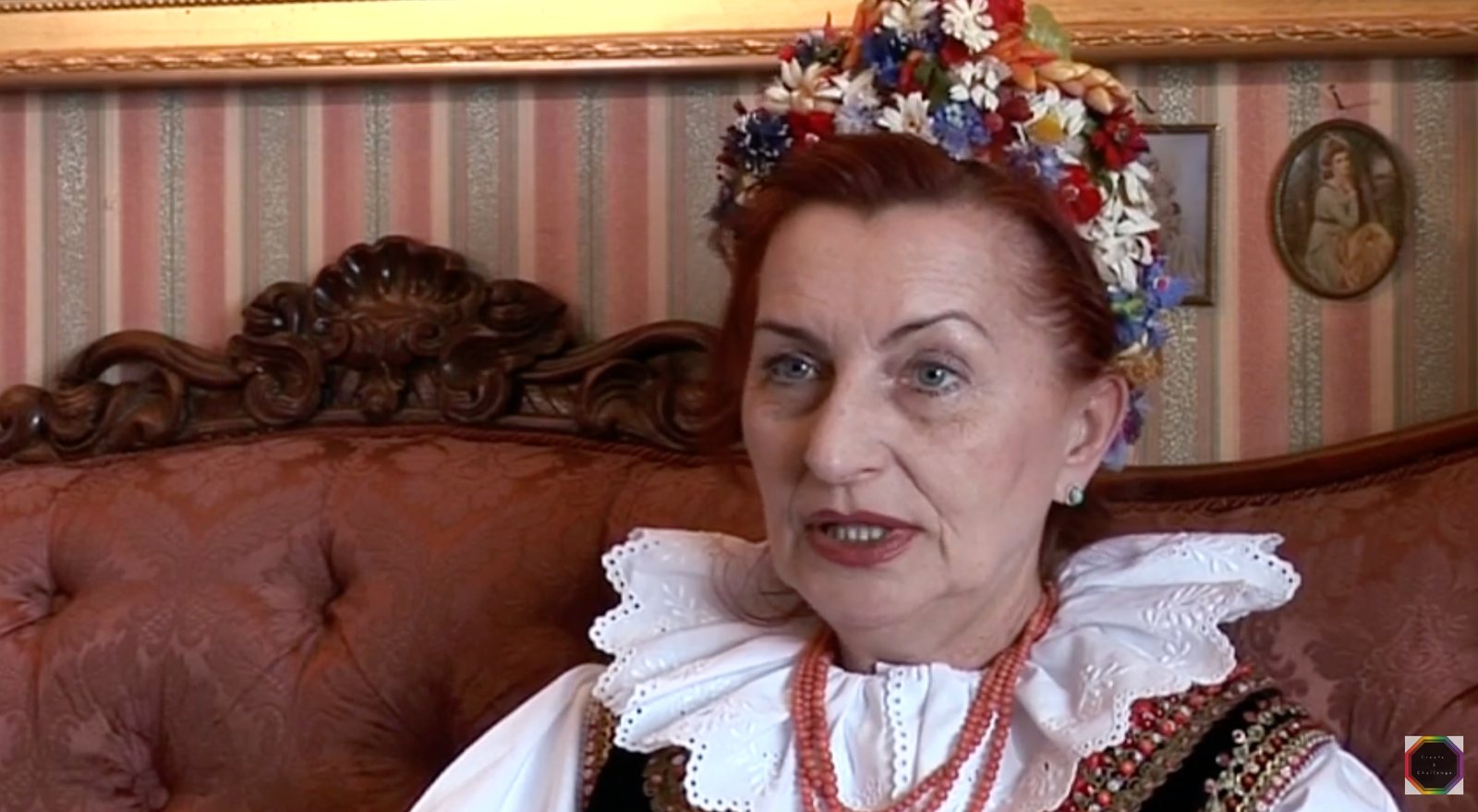
In 2011, I took part in FilmCentrum Stockholm’s Documentary Crash Course — five days to make a complete documentary from scratch. Working with Jarek Nalewajko and Eunice Vidals, we explored beauty through the eyes of one woman, Elisabeth: what it means to her, how it’s defined, and how it shapes her life. With just 120 hours from first idea to finished film, we had to find our subject, film, and edit fast — real filmmaking under real time pressure.
- Year: 2011 · Language: Swedish · Length: Short documentary
- Directors: Zayera Khan, Jarek Nalewajko, Eunice Vidals
- Made during: Documentary Crash Course, FilmCentrum Stockholm
The Goldcrest and the Migration
How does a bird weighing less than 10 grams fly across open water?
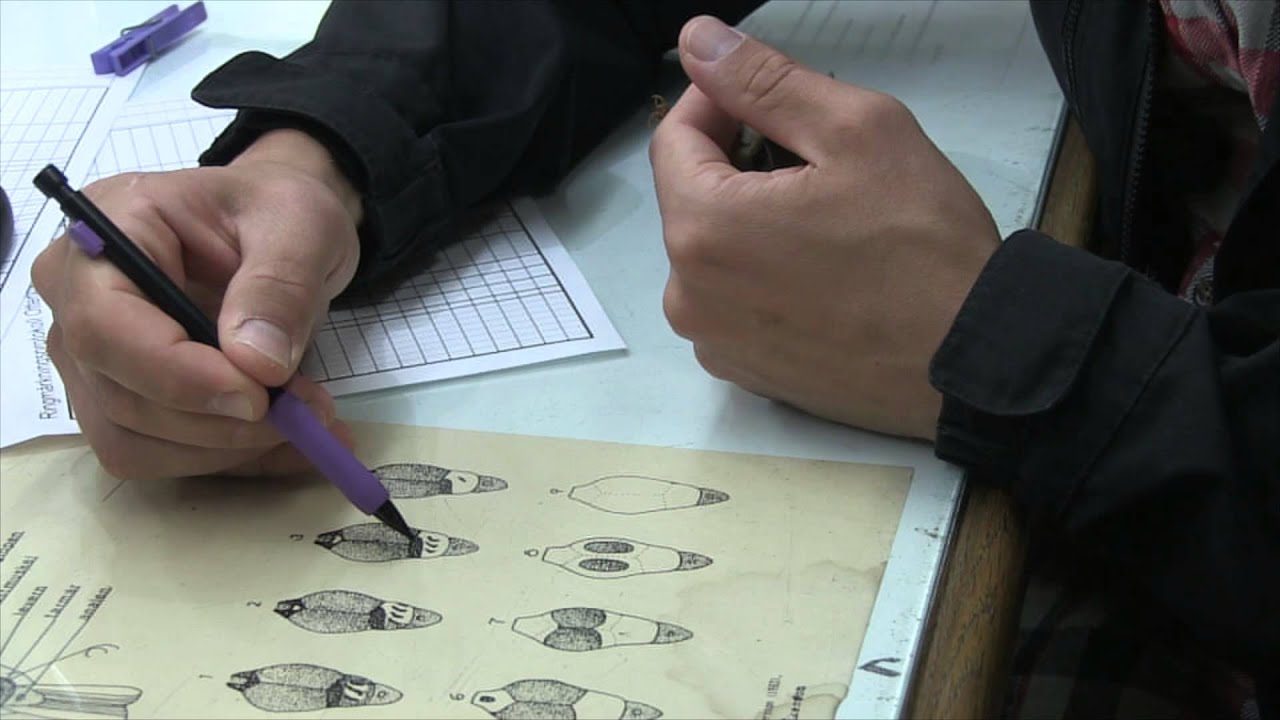
Filmed at Ottenby Bird Observatory on Öland, this short film follows the migration of goldcrests — Europe’s smallest bird — and the bird-ringing research that helps scientists understand how they survive the journey across the Baltic Sea.
- Year: 2013 · Language: Swedish · Length: Short film
- Location: Ottenby Bird Observatory, Öland, Sweden
- Production: Self-financed independent documentary
Ottenby Bird Observatory — Bird Ringing Documentary
Behind the scenes of the scientific research that tracks bird migration.
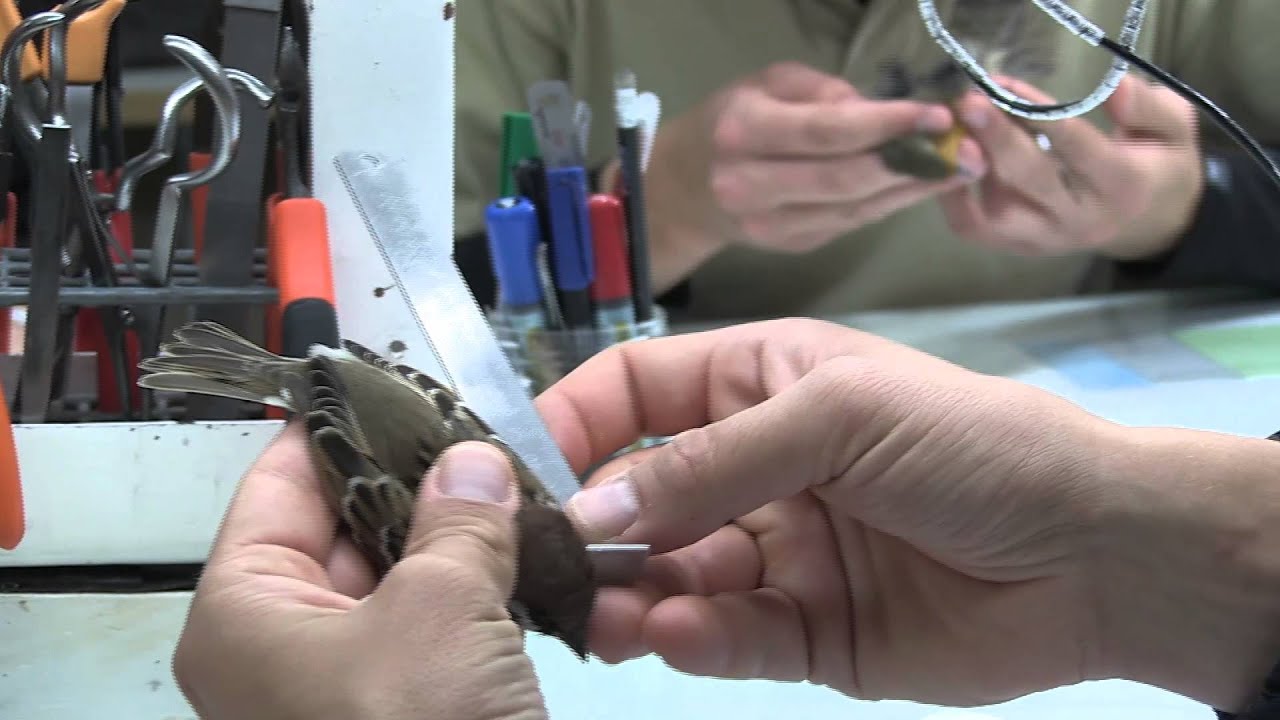
A closer look at bird ringing at Ottenby Bird Observatory, one of Europe’s most important migration research stations. Through close-ups of European robins and chaffinches being ringed, measured, and released, the film shows both the scientific precision and the gentle care this conservation work requires.
- Year: 2013 · Language: Swedish · Length: Short documentary
- Location: Ottenby Bird Observatory, Öland, Sweden
- Featured species: European robin, chaffinch
Body Parts: Liked or Disliked
What do young people really think about their bodies?
Young adults aged 18–20 talk honestly about which parts of their bodies they like or dislike, and why. Each person chose their own background music, making the film feel personal and specific rather than clinical. It’s a candid look at body image, self-acceptance, and how young people see themselves.
- Year: 2013 · Language: Swedish · Length: Short documentary
- Format: Interview-based portrait series
- Participants: Young adults aged 18–20
Odd Bird (Udda fågel)
Three women breaking stereotypes in the male-dominated world of birdwatching.
Why is birdwatching still seen as a hobby for older men? This portrait documentary follows three women who challenge that image, sharing what drew them to birds and the challenges they’ve faced as a minority in the field. The Swedish title, “Udda fågel” (Odd Bird), plays on the expression for someone who stands out — a fitting description for women carving out space in a male-dominated community.
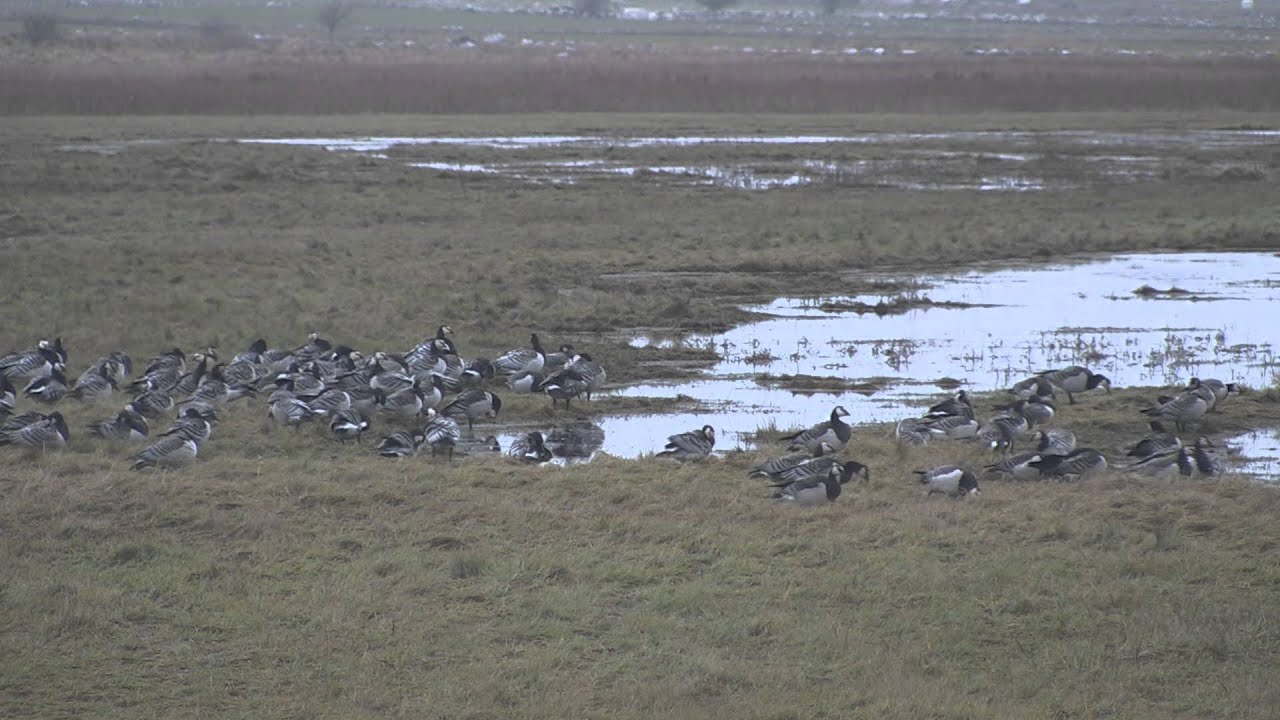
- Year: 2013 · Language: Swedish · Length: Short documentary portrait
- Format: Portrait documentary featuring three women
Water Psycho (Vattenpsyko) — Two-Part Installation & Documentary
A 48-hour creative experiment by art and documentary film students.
Art and documentary students at Ölands Folkhögskola had 48 hours to build an art installation exploring water and psychology — and to document the process. The result is two films: the video art piece itself, and a making-of documentary capturing the brainstorming, building, and creative tension of making art under time pressure.
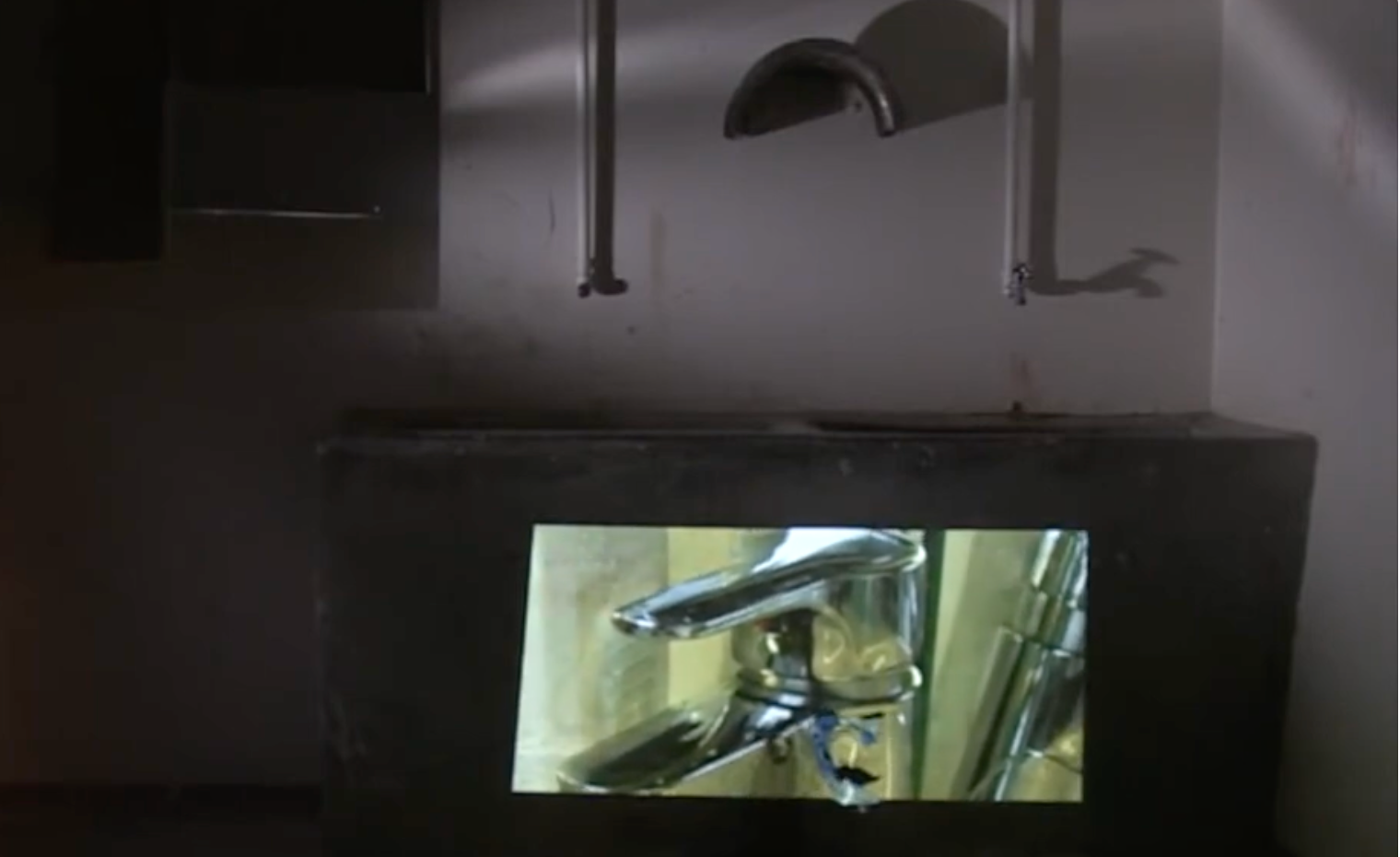
- Year: 2014 · Project duration: 2 days (48 hours)
- Location: Ölands Folkhögskola, Öland, Sweden
- Created by: Art and documentary film students
Part 1: Vattenpsyko (Installation Video) — the video art piece projected within the installation.
Watch Part 1 (opens in a new tab)Part 2: Vattenpsyko Installation (Making-of Documentary) — behind-the-scenes footage of the 48-hour process.
Watch Part 2 (opens in a new tab)The Frog Paralyzed
What does it feel like to be frozen by fear?
An experimental short film told from inside the mind of a frog caught mid-crossing on a dangerous road. Through poetic narration, it explores the paralysis that comes when every choice could be fatal — a meditation on fear, decision-making under threat, and the instinct to simply freeze when the world demands action.
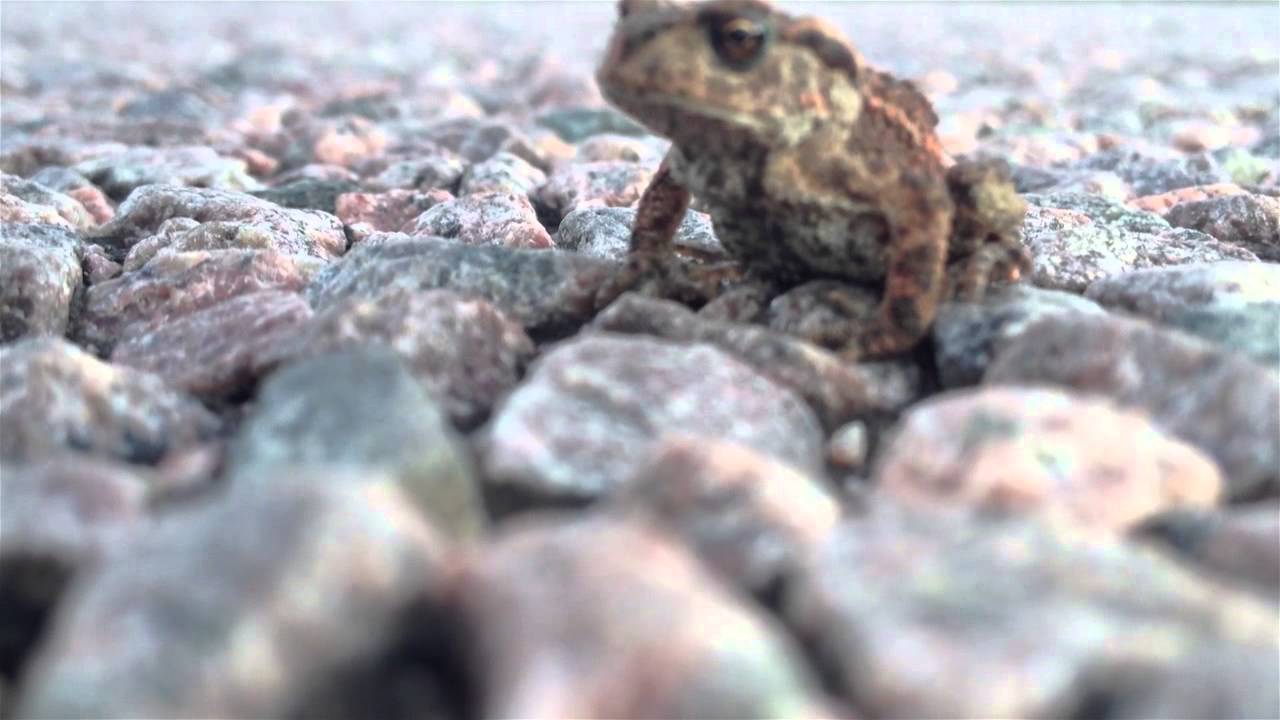
- Year: 2013 · Language: English · Length: Short experimental film
- Format: Experimental narrative with poetic voice-over, told from the frog’s point of view
We Who Bleed (Vi som blöder) & Menstruation Un/gendered (Menstruation o/könad)
My diploma thesis: a two-part exploration of menstruation, across gender identities.
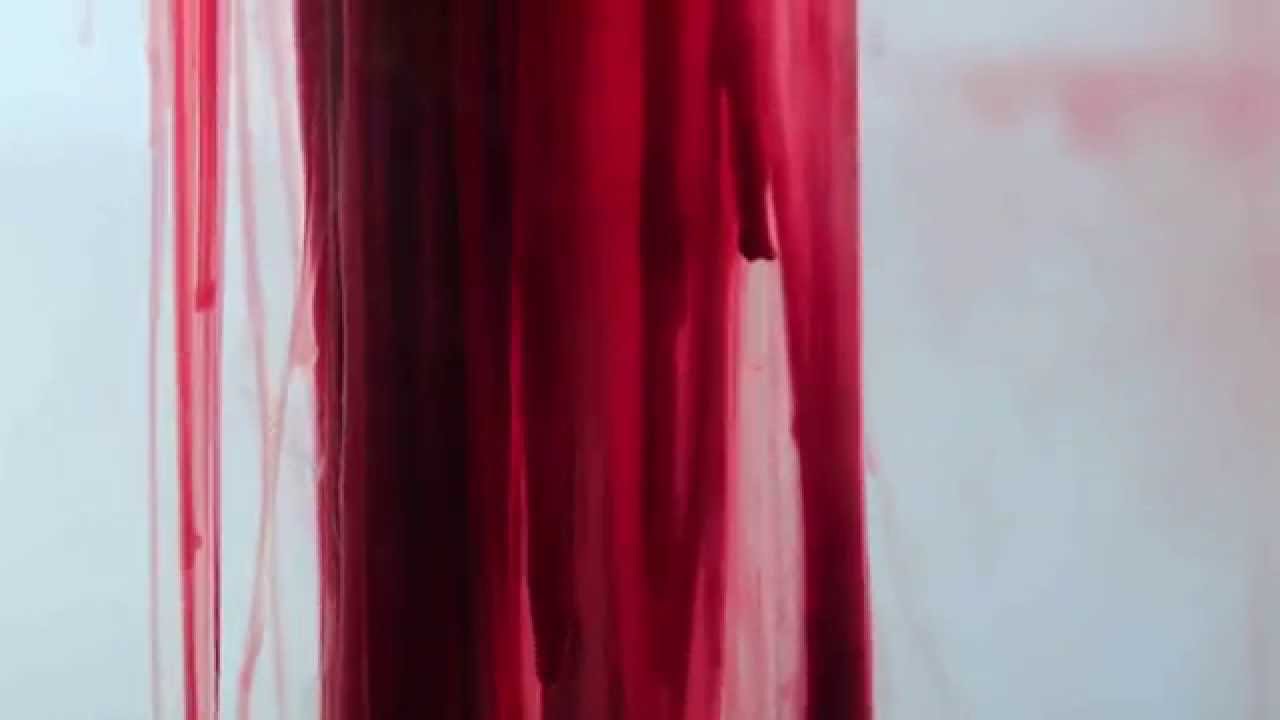
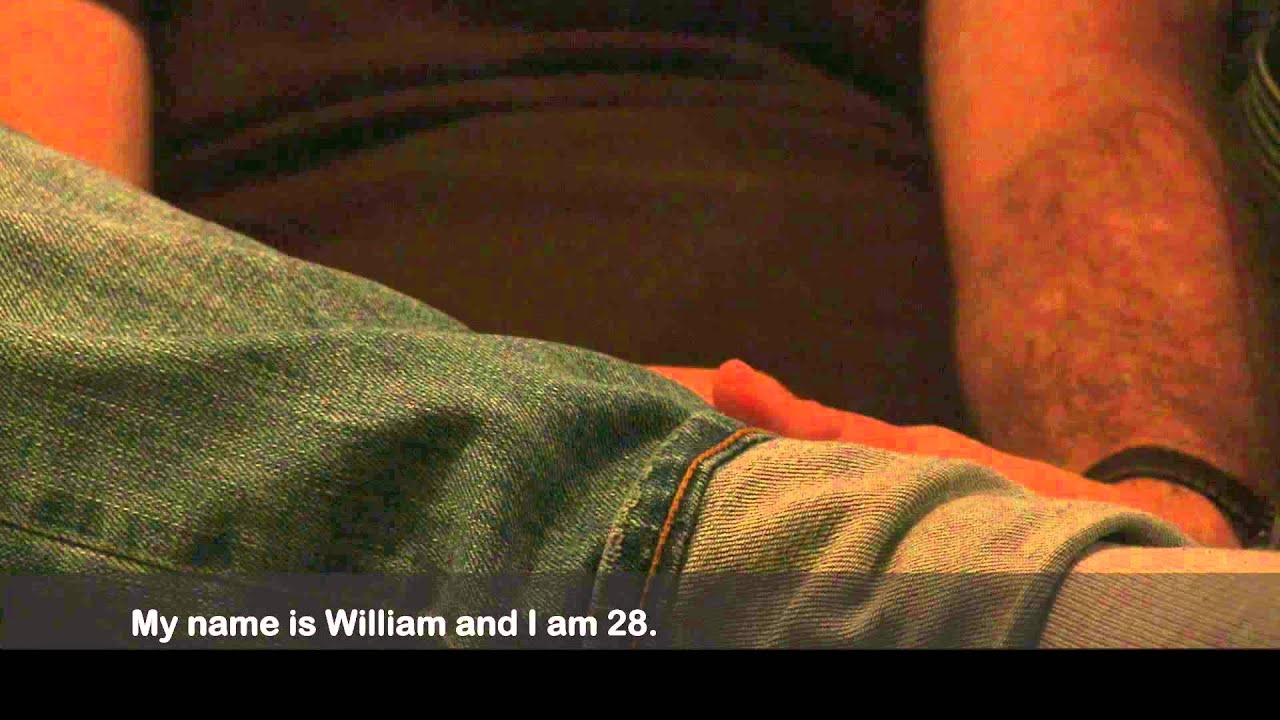
For my diploma thesis at Ölands Folkhögskola’s Documentary Film Program, I made two connected films about menstruation. We Who Bleed is a 28-minute film where cisgender women speak candidly about their first period, menstrual products, PMS, sex, taboo, and menopause — questions often considered too private for public conversation. Menstruation Un/gendered, a 7-minute companion film, extends that conversation to voices usually left out of it entirely: three transgender and intergender people share what menstruation means when your relationship to gender is complex, challenging the assumption that periods are only a “women’s issue.”
- Year: 2014 · Language: Swedish · Country: Sweden
- We Who Bleed: 28 minutes, interview-based documentary
- Menstruation Un/gendered: 7 minutes, 3 participants
- Director & Producer: Zayera Khan
Strawberries of Möja (Jordgubbens möja)
The untold story behind the Stockholm archipelago’s strawberry boats.
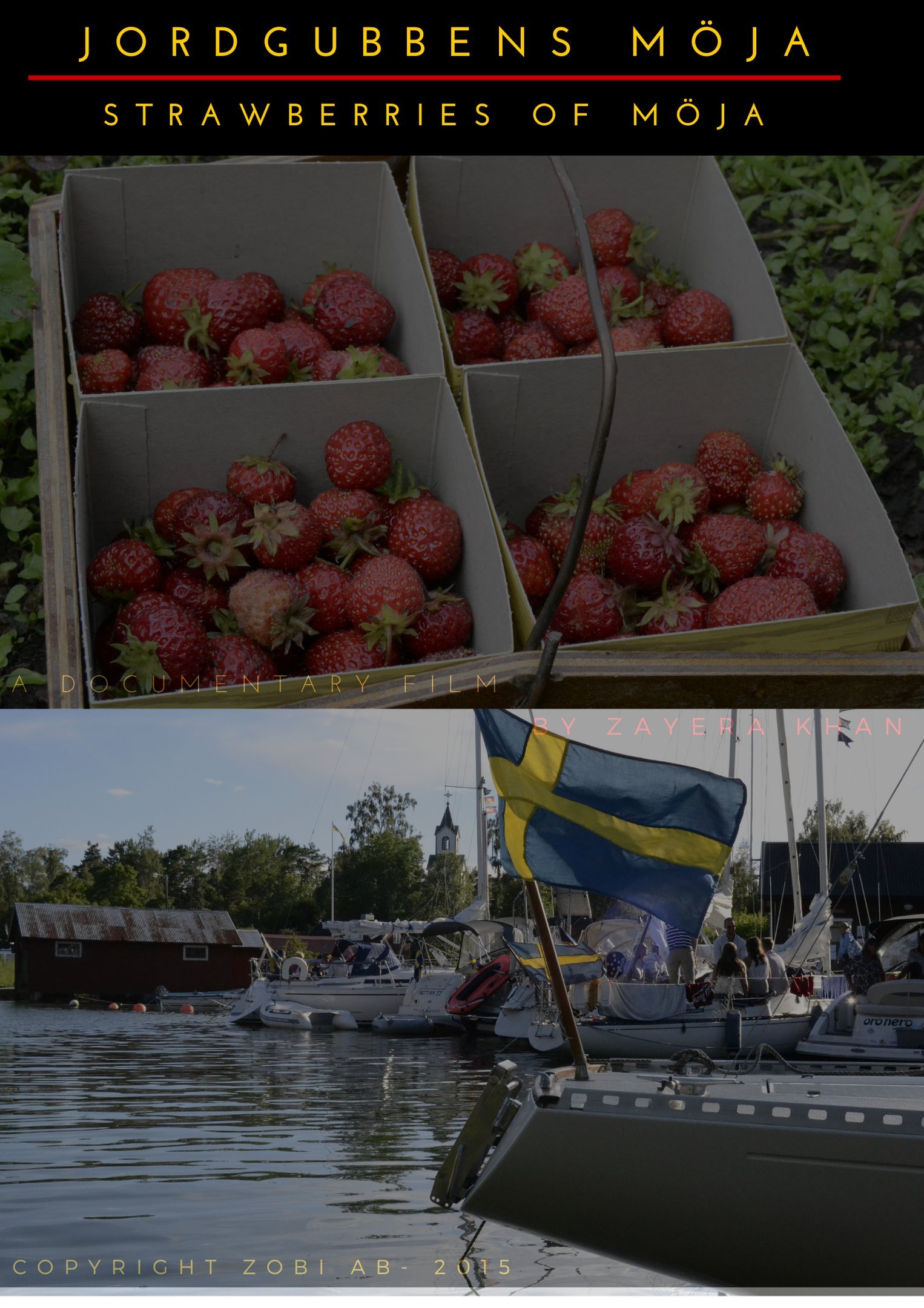
For more than a hundred years, the island of Möja grew strawberries that were shipped to Stockholm by “strawberry boats.” This film gathers the memories of people who lived and worked the plantations — including children who worked long hours in the fields — revealing the hard labor behind a romantic Swedish summer image, and what was lost when the plantations disappeared.
- Year: 2015 · Length: 18 minutes · Language: Swedish
- Location: Möja-Löka Nature Reserve, Stockholm Archipelago
- Director & Producer: Zayera Khan · Editor: Gabriel Schock
Liberating Paradise (Känslan av paradis)
A lived utopia: 30+ years of women-only space at Kvinnohöjden.
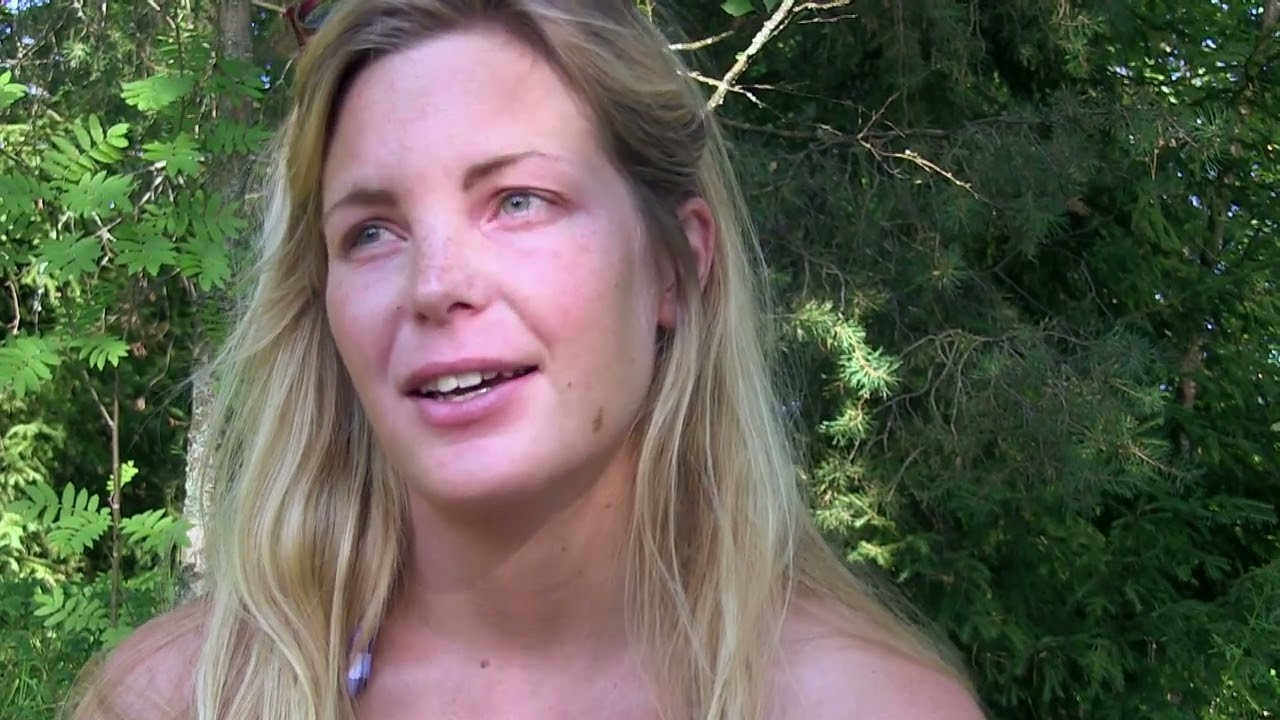
Kvinnohöjden is a feminist course and guest farm in Dalarna, established in 1981. Filmed over a summer, this documentary follows guests and course participants who call it “a sanctuary from patriarchy” and “a lived utopia” — a place where different generations of women share knowledge, cook together, hold circle discussions, and live largely free of hierarchy. It’s a look at what it means to build and sustain a space like this for three decades.
In memory of Monica Högling (2021) and all the women who fought for and built this association.
- Year: 2015 · Length: 23 minutes · Language: Swedish
- Location: Kvinnohöjden, Dalarna, Sweden
- Director & Producer: Zayera Khan · Editor: Hanna Olsson
Shagofta’s Challenge (Shagoftas prövning)
A daughter’s portrait of her mother’s illness and resilience, filmed over three years.
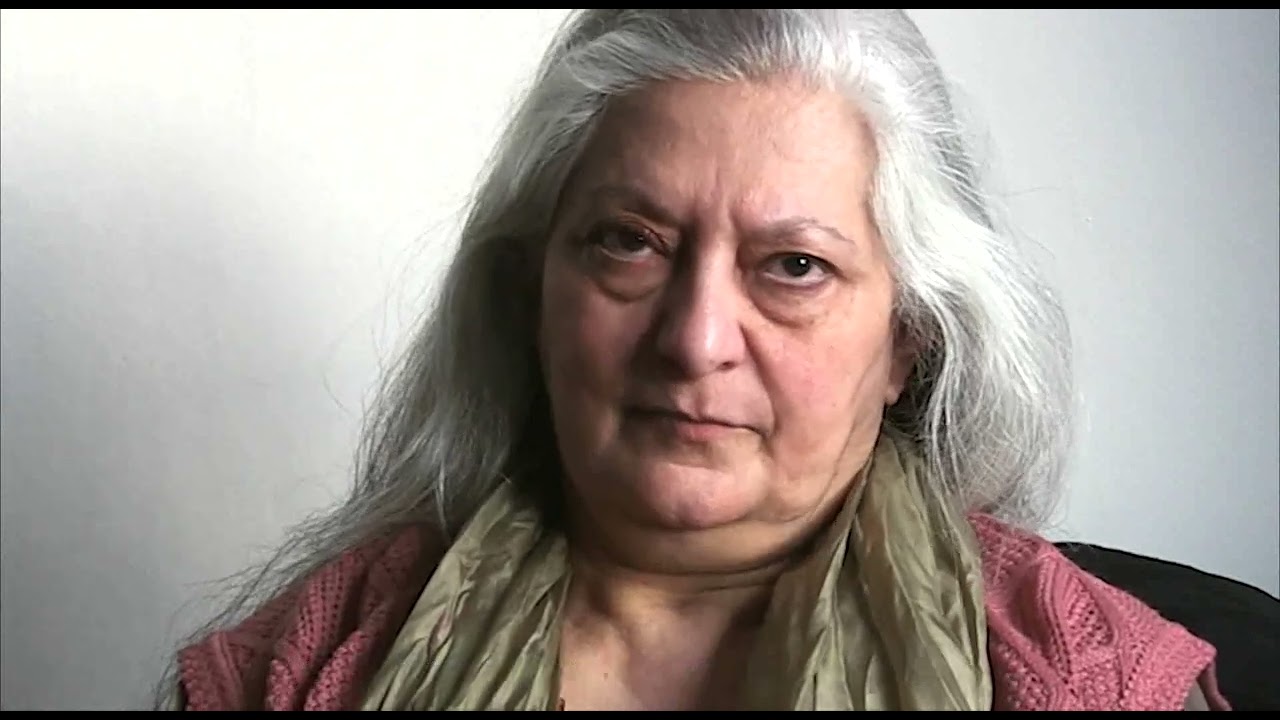
Over about three years, I documented my mother Shagofta’s experience with a brain tumor — diagnosis, treatment, recovery, and the changes that come with serious illness. This is a personal film, both a daughter’s love letter and an honest look at how illness reshapes identity, relationships, and the people around the person who is sick.
- Year: 2015 · Length: 17 minutes · Language: Swedish
- Subject: Shagofta Khan (filmmaker’s mother) · Filming period: approximately 3 years
- Director & Producer: Zayera Khan · Editor: Stina Lundkvist
Future Collaborations & Partnerships
I am actively seeking partners for future documentary projects that align with themes of activism, social justice, and cultural history. If you represent an organization, cultural institution, or private investor interested in supporting or co-producing independent films with a strong social focus, please reach out.
Get in touch: info@zayera.com