
Skoklosters Slott
A castle built for a war, and never quite finished
I went to Skokloster on a gray September afternoon, the kind of sky that makes a white baroque castle look even whiter. It sits alone on a finger of land in Lake Mälaren, halfway between Stockholm and Uppsala, and you see its twin green domes long before you see anything else around it.
I expected a finished palace. What I got was something stranger and more honest: a castle that was never completed, and that has kept its half-built rooms on purpose for more than 300 years.
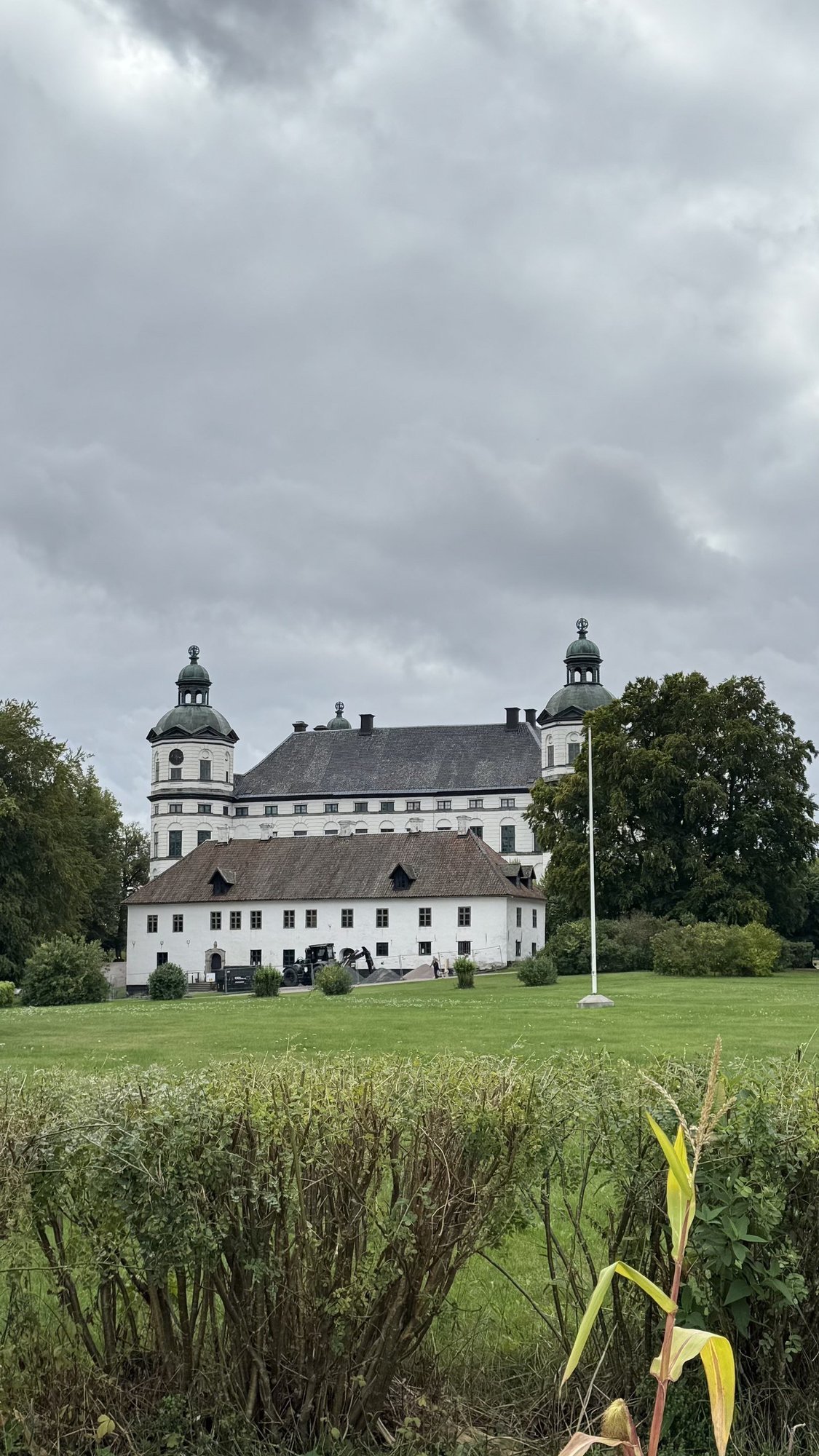
- Why visitYou walk through a real 17th-century building site: finished state rooms next to a hall the builders left exactly as it was, tools and all.
- Best forHistory lovers, castle collectors, and anyone curious about what an “unfinished” museum actually looks like.
- AddressSkoklostervägen 100, 746 96 Skokloster
- Opening hoursWeekends in September, 11:00–16:00. Autumn break, October 24–November 1, 11:00–16:00. Christmas market weekend, November 28–29, 11:00–16:00. In winter, only digital lectures and pre-booked group visits, until Easter.
- Admission140 kr for adults, pensioners, and students. Free for anyone under 19, and free for one companion of a visitor who needs one. A guided tour costs 190 kr and includes admission.
- Guided toursPublic guided tours run in summer, June 1 to August 31. Private tours can be booked year-round on weekdays. You can also visit at your own pace without a guide.
- Audio guideFree for every visitor.
- AccessibilityA ramp leads to the main entrance, and the ground floor is wheelchair accessible. There is no lift, so the upper floors are reached by stairs only – 32 steps per floor, with a landing halfway and handrails. One accessible toilet is on the ground floor. Guide and assistance dogs are welcome, and folding chairs can be borrowed.
- ParkingA regular parking lot is about 300 meters away, at Skokloster Church. Two spaces for visitors with a disability permit are on the water side of the castle.
- Official websiteskoklostersslott.se
A war hero’s unfinished dream
Skokloster was built between 1654 and 1676 for Carl Gustaf Wrangel, a Swedish field marshal who had made his fortune and his name in war. The lead architect was Casper Vogell, with help from Jean de la Vallée and Nicodemus Tessin the Elder, two of the biggest names in Swedish baroque building. Some historians think the layout borrows from Ujazdów Castle in Warsaw, a place Wrangel would have seen during his campaigns in Poland.
Wrangel died in 1676 with the castle still unfinished. His heir, Nils Brahe the Younger, already had other castles to live in and never finished the interior. Instead of quietly falling apart, Skokloster stayed almost exactly as it was left, which is the whole reason it is worth visiting today.
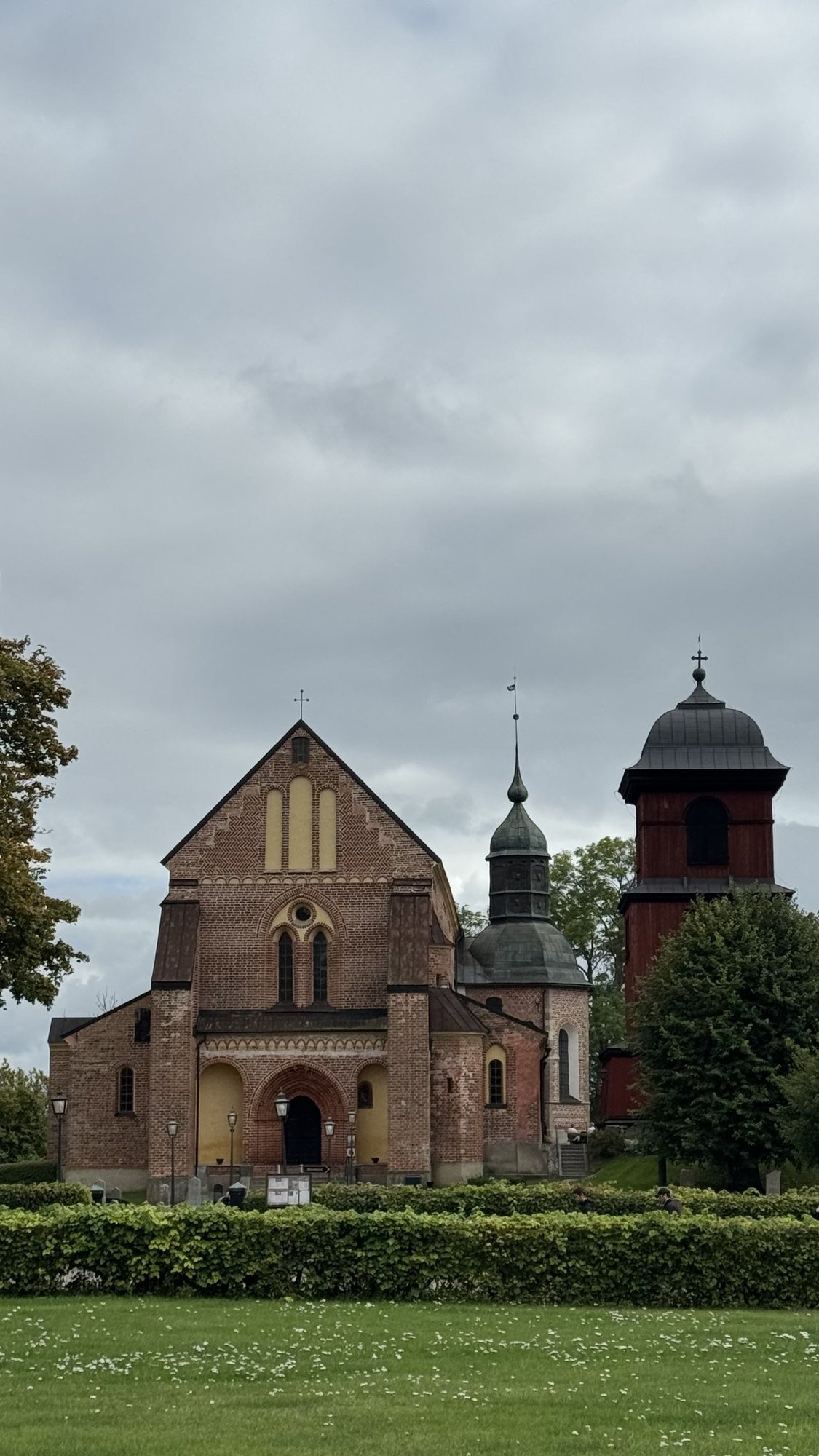
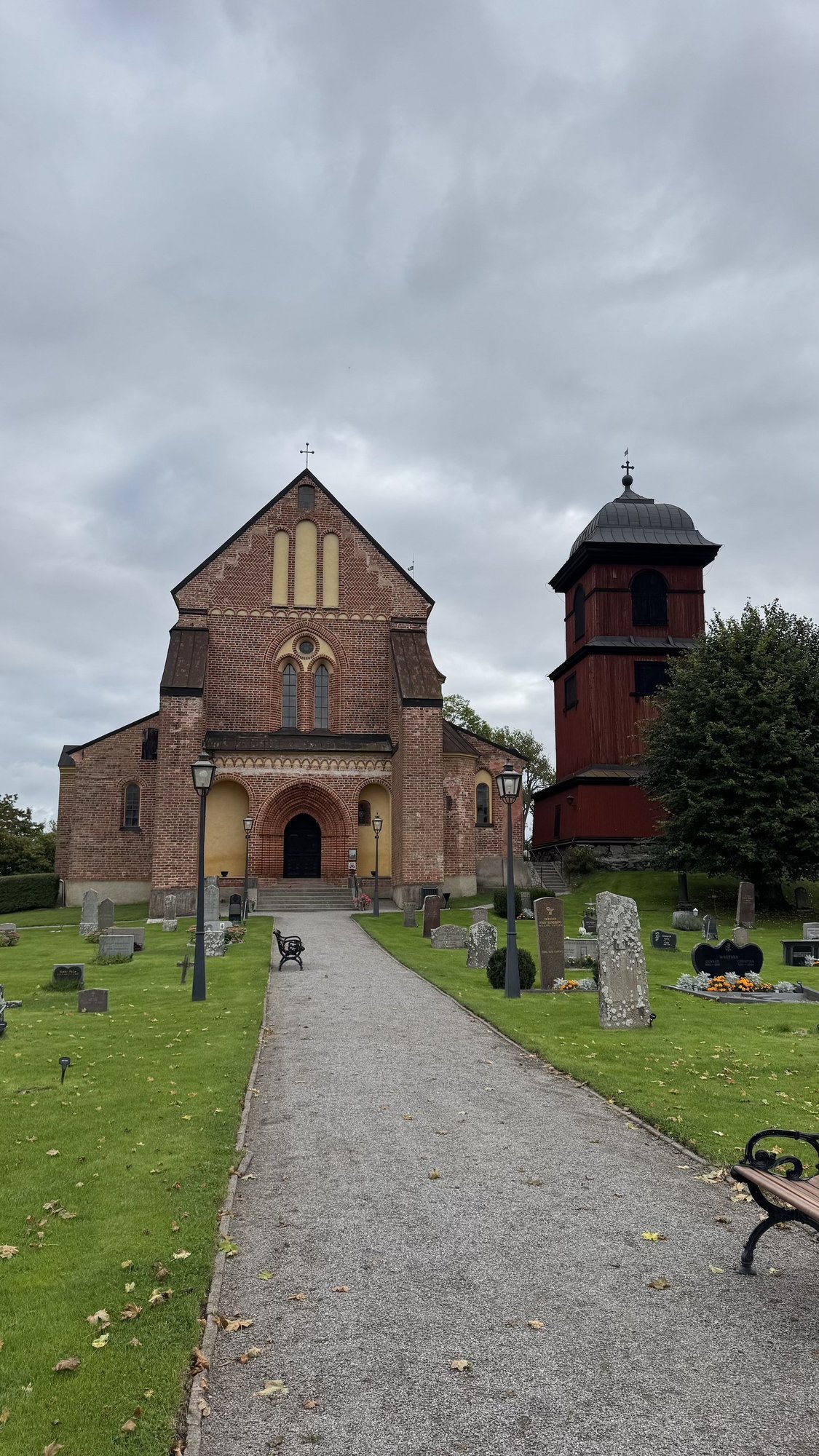
The little church on the estate has nothing to do with Wrangel’s building project. It dates back to the late 1200s, built as part of a Cistercian convent long before the castle existed, and the Wrangel family later added their own chapel to it in 1639. Worth ten minutes on your way to the castle, and it is free to walk around.
The hall that was never finished
The single strangest room at Skokloster is called the Unfinished Hall, and it earns the name. It was meant to be a grand banqueting room. Instead, it looks almost exactly as the builders left it in the summer of 1676: bare brick walls, roof beams with no ceiling below them, and tools and equipment still scattered across the floor.
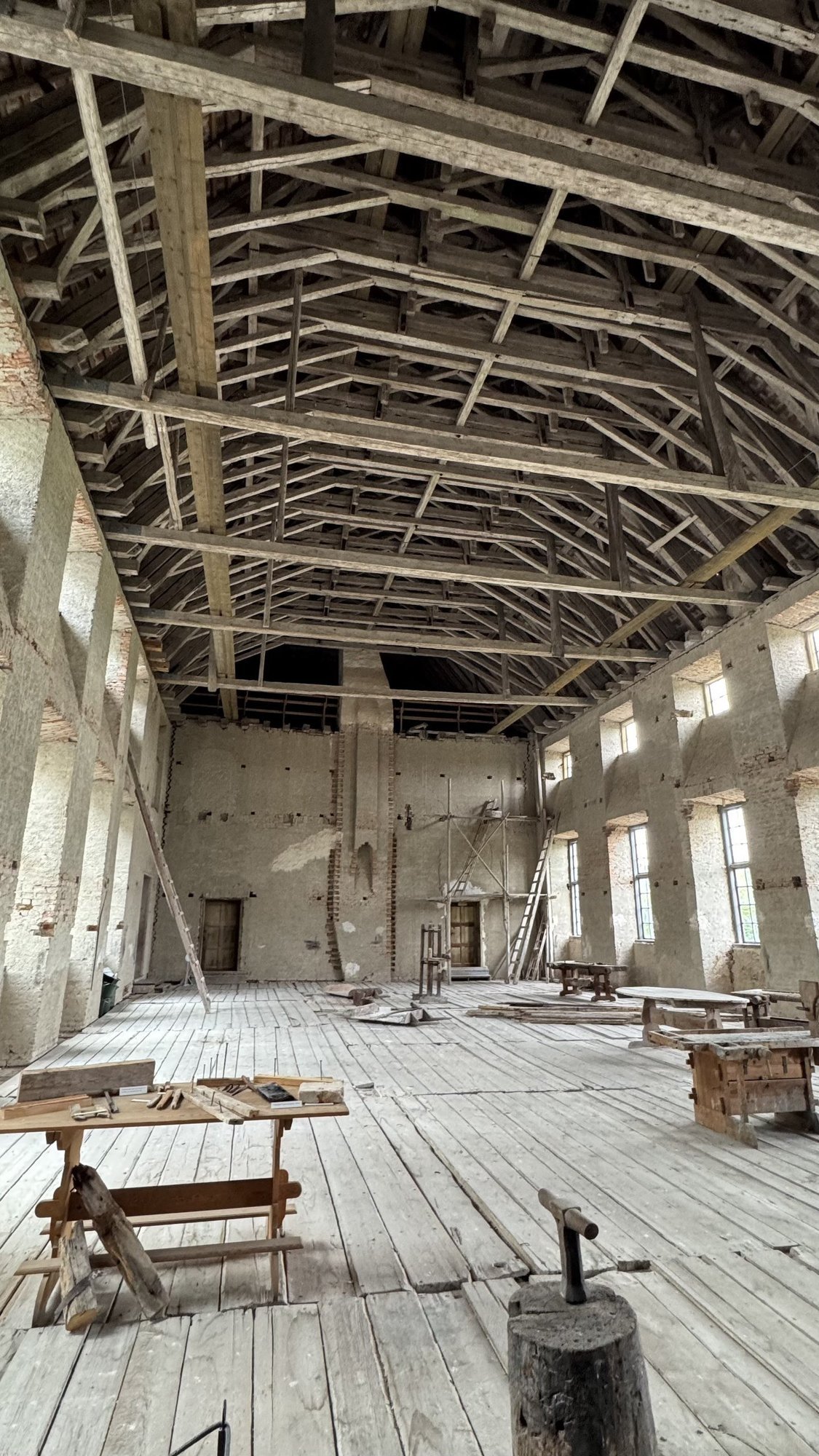
Standing in it, I kept thinking about how ordinary it felt. Not a ruin, not staged for visitors, just a building site that someone stopped working on 350 years ago and nobody ever cleaned up. Historians call it one of the only places in Europe where you can still see a complete 17th-century construction site, tools and all.
The world’s largest private armory
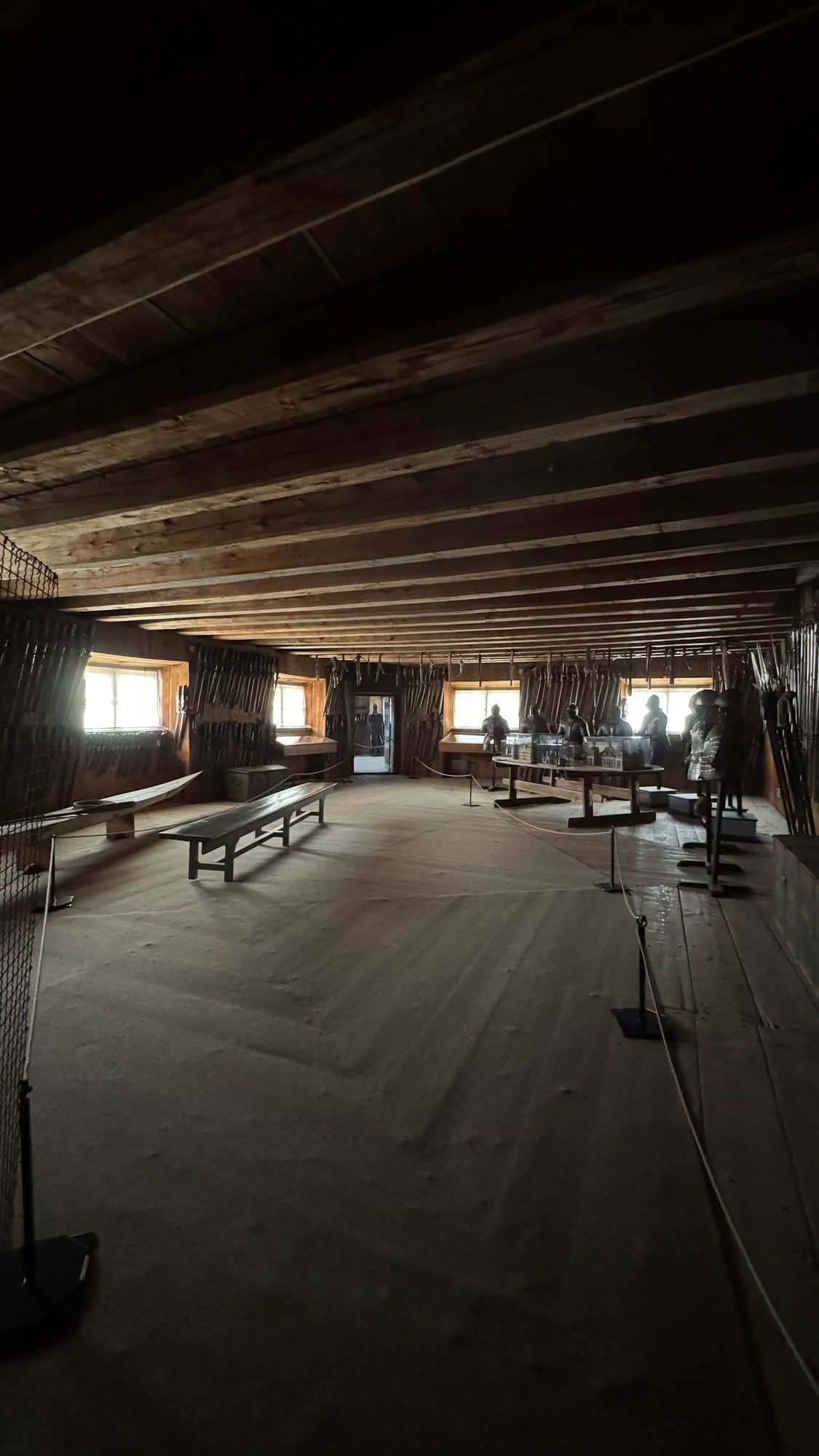
The third floor holds Wrangel’s Armoury, and it has stayed in its original setting since the 1600s, which makes it the only armory of its kind still in place anywhere in the world. Swords, pikes, muskets, and pistols line the walls, and full suits of armor stand in rows in front of them. Many of these weapons were not bought. They were taken as war spoils from Poland during the conflict known as the Deluge.
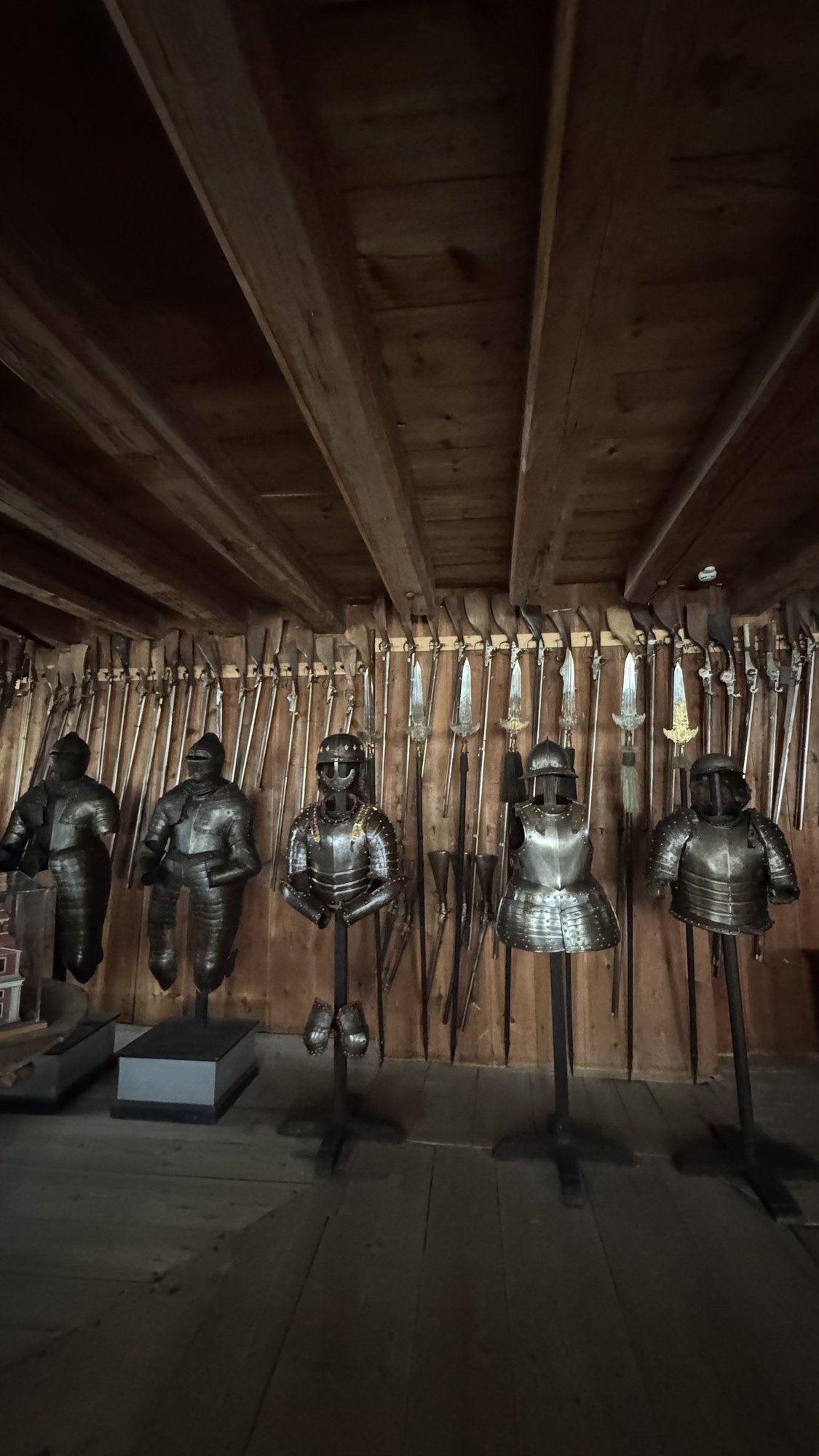
Wrangel’s will stated that the armory must always stay at Skokloster, and it has. A second collection was added later by the Brahe-Bielke family, so what you see today is really two armories layered on top of each other. Among the swords and muskets there are stranger things too: a kayak, stuffed animals, and other objects that had no obvious place anywhere else in the castle.
A cabinet of curiosities
Next to the armory, a glass case built into a window recess holds a proper 17th-century cabinet of curiosities: small pistols, powder flasks, an ornate pouch, gloves, and carved wooden and ivory objects, all arranged on pale fabric. After the scale of the armory and the Unfinished Hall, this small, careful display felt oddly personal, like looking into someone’s private drawer.
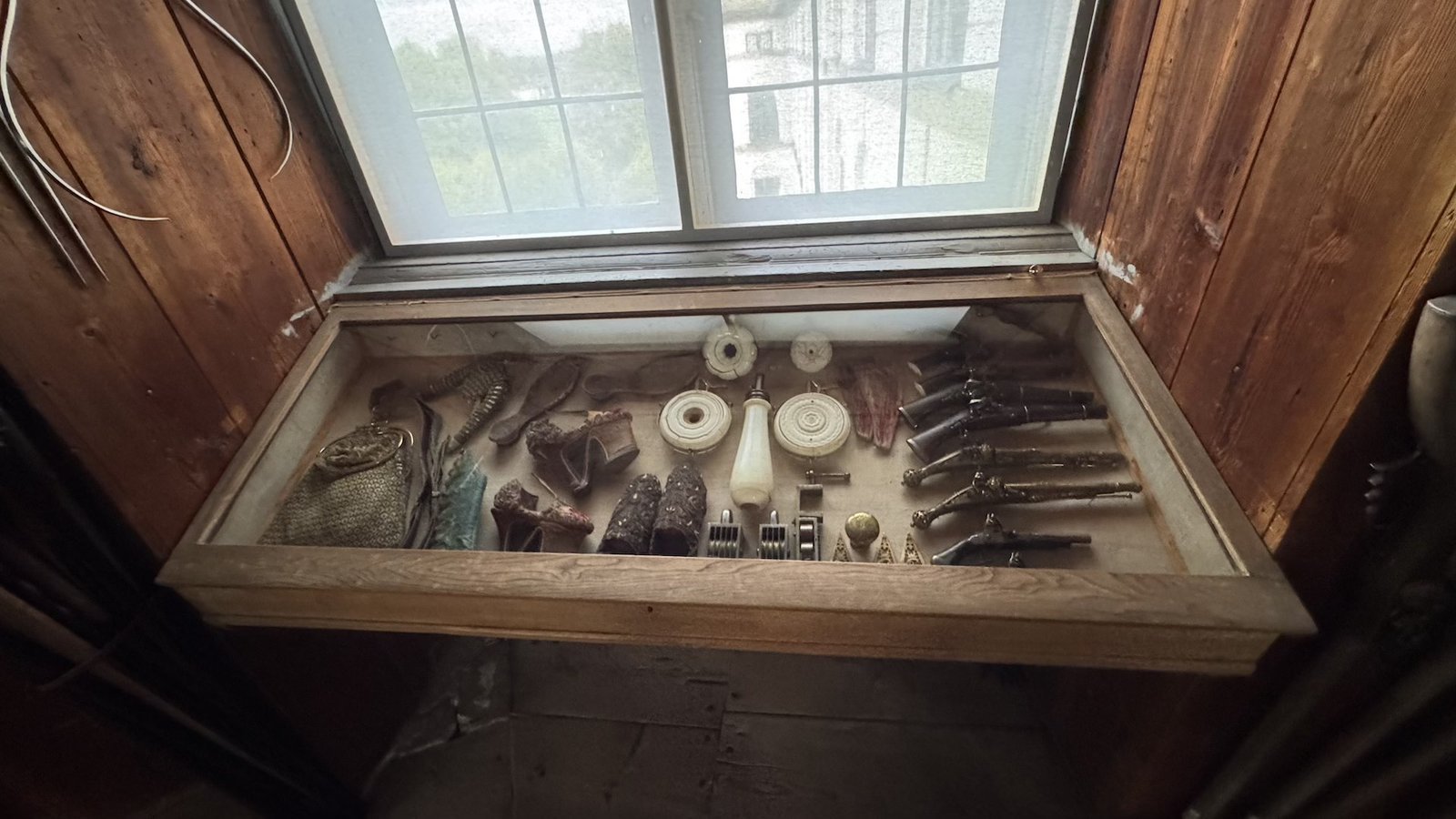
Photo gallery
All photographs on this page were taken by Zayera Khan during a visit to Skokloster, and are her own property. Please do not reuse them without permission.
What is my verdict?
Skokloster works because it never finished pretending. Most castles you visit have been restored into a version of themselves that looks better than the original ever did. This one just stopped, and stayed stopped, and somehow that makes it more honest than almost any palace I have walked through.
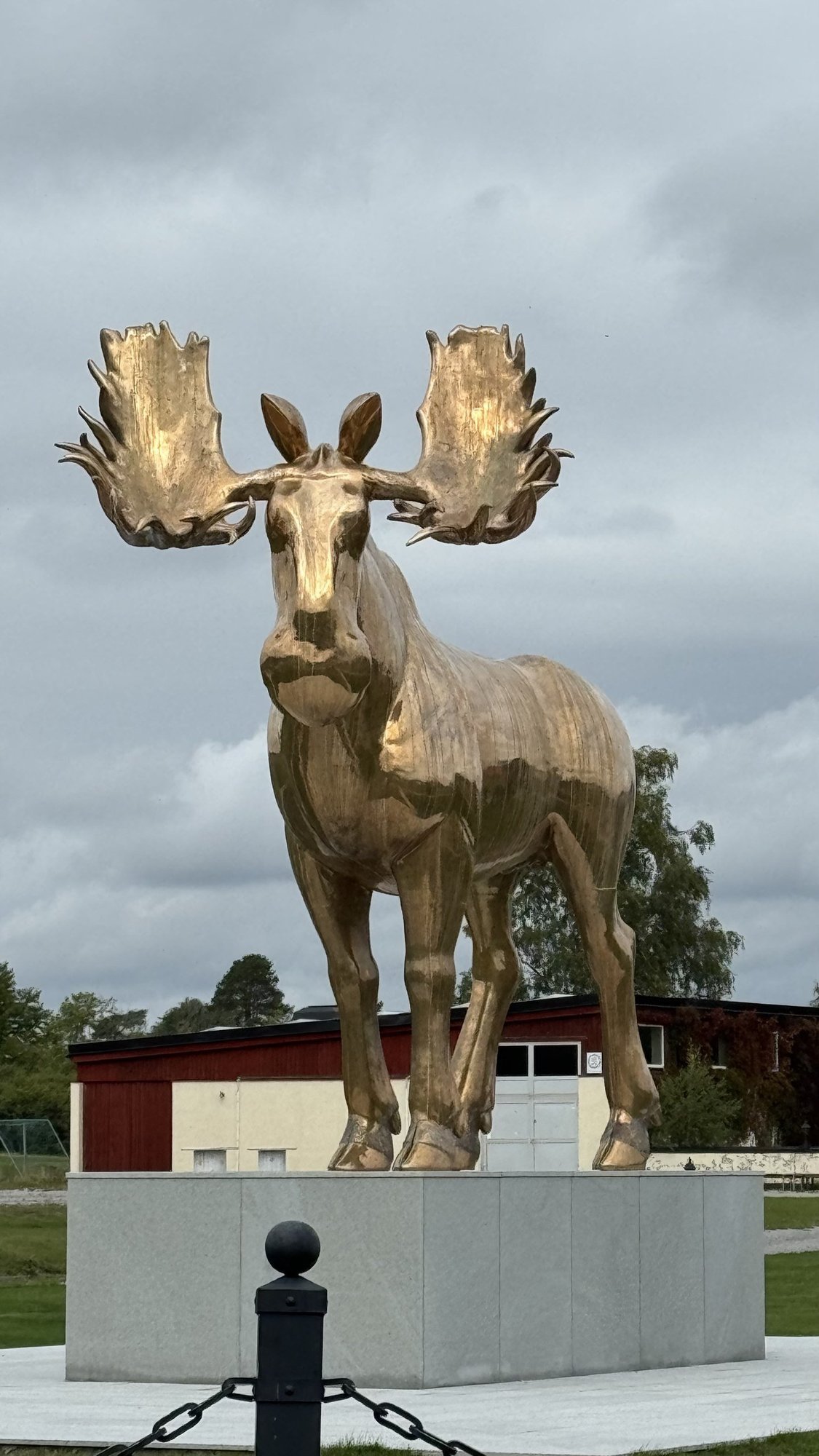
And then, a short drive away, there is a giant golden moose watching over a parking lot. Sweden rarely explains itself, and I have stopped expecting it to. I hope to go back, ideally on a clearer day, so the domes get their proper shine.
Sources: Skoklosters Slott – Opening Hours; Skoklosters Slott – Prices and Tickets; Skoklosters Slott – Accessibility; Skoklosters Slott – Guided Tours; Skoklosters Slott – The Third Floor; Wikipedia – Skokloster Castle; Svenska kyrkan – Skoklosters kyrka; Göteborgs-Posten – the King unveils the golden moose.